
As an Amazon Associate, we may earn from qualifying purchases. Links in this article may be affiliate links.
Introduction: Setting the Scene for Small Rose Gardens
There’s something undeniably enchanting about roses that makes even the most space-challenged gardener dream of growing these classic beauties. When I first moved to my urban apartment with only a tiny balcony, I thought my rose gardening aspirations would have to wait. But I quickly discovered that with the right approach, small rose gardens can be just as magnificent as their sprawling counterparts.
Over the years, I’ve experimented with various techniques to maximize my limited space, and I’m excited to share what I’ve learned. Whether you have a modest patio, a narrow side yard, or just a sunny windowsill, you can create a stunning rose display that brings color, fragrance, and joy to your small outdoor area. Consider exploring patio furniture and balcony decor to complement your garden setup.
1. Selecting Suitable Rose Varieties for Small Spaces

The foundation of a successful small rose garden begins with choosing the right varieties. Not all roses are created equal when it comes to compact spaces, and selecting appropriate types can make the difference between a cramped, struggling garden and a lush, thriving one. Discover a variety of miniature roses and patio roses for your small garden.
Best Rose Types for Limited Spaces
- Miniature Roses: Growing just 15-30 inches tall, these compact beauties offer full-sized blooms on smaller plants. My ‘Cupcake’ miniature rose provides gorgeous pink blooms while taking up minimal space.
- Patio Roses: Specifically bred for containers and small gardens, these roses typically reach 16-24 inches tall. The ‘Pretty Polly’ variety has been particularly reliable in my container garden.
- Climbing Roses: While they grow tall, they utilize vertical space rather than ground space. My ‘Zéphirine Drouhin’ climber creates a stunning vertical display on just a few square feet of ground.
- Polyantha Roses: These produce clusters of small flowers and generally stay compact. ‘The Fairy’ has been my go-to for reliable blooms in tight corners.
I once made the mistake of planting a sprawling hybrid tea rose in my tiny garden, only to watch it quickly overwhelm the space and compete with my other plants. Learning to match rose varieties to your specific spatial constraints is crucial.

View on AmazonAs an Amazon Associate, I earn from qualifying purchases.
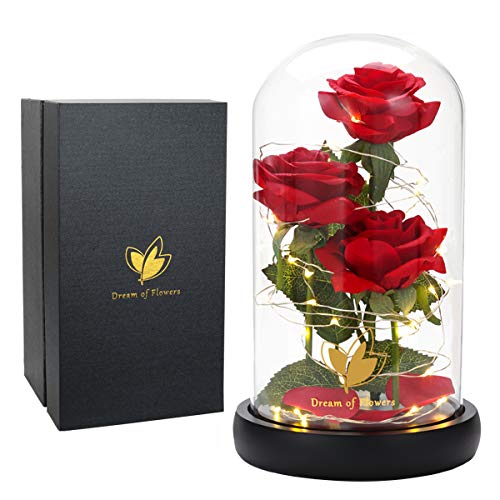
View on AmazonAs an Amazon Associate, I earn from qualifying purchases.
Pro Tip: Choose disease-resistant varieties like ‘Knock Out’ roses for small spaces. They require less maintenance and treatment area, allowing you to dedicate more of your limited garden to enjoying rather than troubleshooting. Consider checking out disease resistant roses for your garden.
2. Elevate Your Garden with Vertical Rose Planting

When ground space is at a premium, the only way to go is up! Vertical gardening techniques have transformed my small rose garden ideas from modest to magnificent by utilizing walls, fences, and other vertical surfaces. Explore vertical garden planters to maximize your garden space.
Vertical Structures for Roses
- Trellises: These provide excellent support for climbing roses. I’ve found that fan-shaped trellises work particularly well against walls.
- Obelisks: These free-standing structures create a focal point while supporting roses. My wrought iron obelisk supports a ‘New Dawn’ climber that becomes a tower of pale pink blooms each summer.
- Wall-mounted Planters: These can hold smaller varieties like miniature roses, creating a living wall effect.
- Arches and Pergolas: Even in small gardens, a modest arch can create dimension and support climbing roses.
I learned through trial and error that securing climbing roses to their supports is essential. After losing a beautiful ‘Cecile Brunner’ climber during a windstorm because I hadn’t properly attached it, I now use soft garden ties to secure stems without damaging them.
Pro Tip: Train climbing roses horizontally along their supports rather than letting them grow straight up. This encourages more flowering shoots to develop along the length of the stem, resulting in more blooms throughout the structure. You might find garden trellises and garden ties useful for this purpose.
3. Efficient Planting Techniques to Maximize Space

Strategic planting approaches can help you fit more roses into your limited space without overcrowding, which I discovered is a common pitfall in small rose gardens.
Space-Saving Planting Strategies
- Staggered Planting: Rather than planting in rigid rows, I stagger my roses to utilize space more efficiently.
- Companion Planting: Interplanting roses with compatible, shallow-rooted plants maximizes your garden’s productivity. I’ve had success pairing roses with lavender, which deters pests and complements roses visually.
- Raised Beds: These provide better drainage and can be designed to fit your specific space constraints.
- Island Beds: Creating accessible beds in the center of small spaces allows you to appreciate roses from all angles.
My biggest planting mistake was initially placing roses too close together in an attempt to fit more varieties. This led to poor air circulation and increased disease problems. Now I respect each plant’s mature size requirements, even in my small space.

View on AmazonAs an Amazon Associate, I earn from qualifying purchases.

View on AmazonAs an Amazon Associate, I earn from qualifying purchases.
Pro Tip: Use raised beds with rich, well-draining soil to give your roses optimal growing conditions in a compact footprint. The defined edges also help prevent garden creep, keeping your small space tidy. Check out raised garden beds for your gardening needs.
4. Innovative Container Gardens for Roses

Container gardening opened up a world of possibilities for my small rose garden. Not only do containers allow for gardening in spaces without soil (like patios and balconies), but they also provide flexibility in arrangement and exposure. Explore a range of outdoor planters to start your container garden.
Container Selection and Care
- Size Matters: Choose containers at least 15-18 inches deep and wide for most roses. My miniature varieties thrive in 12-inch pots, while larger varieties need 20+ inch containers.
- Material Considerations: Terracotta looks beautiful but dries out quickly; glazed ceramic and plastic retain moisture better. After losing plants to drought, I now match my container material to my watering habits.
- Drainage: Ensure adequate drainage holes to prevent root rot. I learned this lesson the hard way after losing a beautiful ‘Sunblaze’ miniature to waterlogged soil.
- Mobility: Consider placing containers on rolling platforms to easily move them for optimal sun exposure or to protect from harsh weather.
One of my favorite container arrangements combines a central ‘Iceberg’ floribunda rose surrounded by cascading ‘Red Cascade’ miniature roses in a large planter, creating a stunning focal point that only occupies about two square feet.
Pro Tip: Line the inside of porous containers with plastic (with drainage holes cut out) to help retain moisture during hot summer months, reducing the need for frequent watering in your container rose garden. Consider using container liners for better moisture retention.
5. Essential Care and Maintenance Strategies

Proper maintenance is especially critical in small rose gardens where each plant represents a significant percentage of your display. Over the years, I’ve refined my care routine to ensure maximum blooms with minimum fuss.
Streamlined Care for Small Gardens
- Pruning: Regular deadheading encourages continuous blooming, while annual structural pruning keeps plants appropriately sized. I prune my container roses more aggressively than I would in an open garden to maintain their compact form.
- Watering: Small gardens and containers often need more frequent watering. I installed a simple drip irrigation system that saves time and provides consistent moisture.
- Feeding: Roses in confined spaces access fewer soil nutrients, so regular feeding is important. I apply a slow-release fertilizer in spring and supplement with liquid feeds during the blooming season.
- Pest Management: Early intervention is key in small gardens where pests can quickly move between plants. I check my roses twice weekly during growing season.
I once neglected fall cleanup in my small garden, leaving fallen leaves around my roses. The following spring, I battled black spot that spread rapidly through my closely planted roses. Now I’m diligent about garden hygiene, especially in confined spaces.

View on AmazonAs an Amazon Associate, I earn from qualifying purchases.

View on AmazonAs an Amazon Associate, I earn from qualifying purchases.
Pro Tip: Apply a 2-inch layer of organic mulch around your roses to suppress weeds, retain moisture, and slowly add nutrients to the soil. This reduces maintenance time significantly in small gardens where every minute counts. You can find a variety of organic mulch options for your garden.
Conclusion: Blossoming Success in Small Spaces
Creating a beautiful small rose garden doesn’t require acres of land—just thoughtful planning and appropriate techniques. By selecting suitable varieties, embracing vertical possibilities, employing smart planting strategies, utilizing containers creatively, and maintaining consistent care, you can enjoy the romance and beauty of roses in even the most modest spaces.
My journey from a rose-less apartment dweller to a proud rose gardener with over a dozen varieties in a tiny urban space has taught me that limitations often spark the most creative solutions. I encourage you to experiment, learn from inevitable mistakes, and discover the joy of roses, regardless of your garden’s size.
Remember, the most beautiful gardens aren’t necessarily the largest—they’re the ones created with passion and tended with love. Your small rose garden may become your most rewarding outdoor achievement yet.
Frequently Asked Questions
What are the best rose varieties for small gardens?
Miniature roses, patio roses, polyanthas, and certain climbers work best in small spaces. Look for varieties like ‘Cecile Brunner’, ‘The Fairy’, ‘Sunblaze’ series, and ‘Zéphirine Drouhin’, which are known for their compact growth or vertical habits that maximize limited space.
How often should I water roses in containers?
Container roses typically need watering when the top inch of soil feels dry. During hot summer months, this might mean daily watering, while in cooler seasons, 2-3 times per week may suffice. Always check the soil rather than following a strict schedule, as container size, material, and weather conditions significantly affect watering needs.
Can I grow roses indoors?
While challenging, miniature roses can be grown indoors with proper conditions. They need at least 6 hours of direct sunlight daily (a south-facing window is ideal), good air circulation, and humidity levels higher than typical indoor environments. Consider supplementing with grow lights during winter months and moving plants outdoors periodically when possible.
What soil is best for container roses?
Use a high-quality potting mix specifically formulated for roses or create your own by mixing regular potting soil with compost and perlite for drainage. Avoid garden soil in containers as it compacts too easily. For best results, include some slow-release fertilizer in your potting mix when planting.
How do I prevent pests in a small rose garden?
Regular inspection is your best defense—check under leaves and along stems at least weekly. Maintain good air circulation between plants, avoid overhead watering, and remove fallen leaves promptly. Consider introducing beneficial insects like ladybugs, and use insecticidal soap or neem oil for early infestations before resorting to stronger chemicals.