Introduction
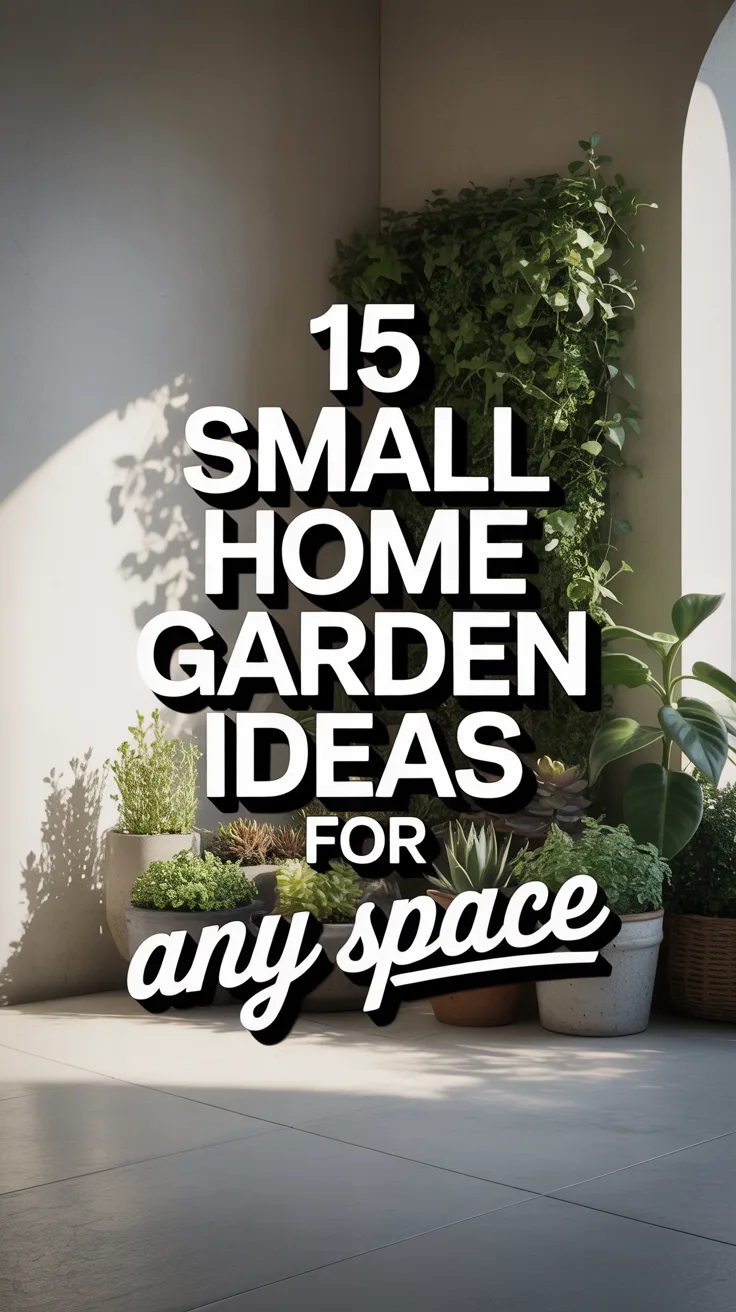
When I first moved into my tiny apartment, I thought my dreams of having a lush garden were over. Boy, was I wrong! Over the years, I’ve discovered that you don’t need a sprawling backyard to grow beautiful plants. With some creativity and smart planning, even the smallest spaces can become thriving green havens. Whether you have a tiny balcony, a windowsill, or just a corner in your living room, there’s a small home garden idea that’s perfect for your situation. Let me share 15 creative approaches I’ve tried (and sometimes failed with) to help you create your own little slice of paradise.
Vertical Gardens
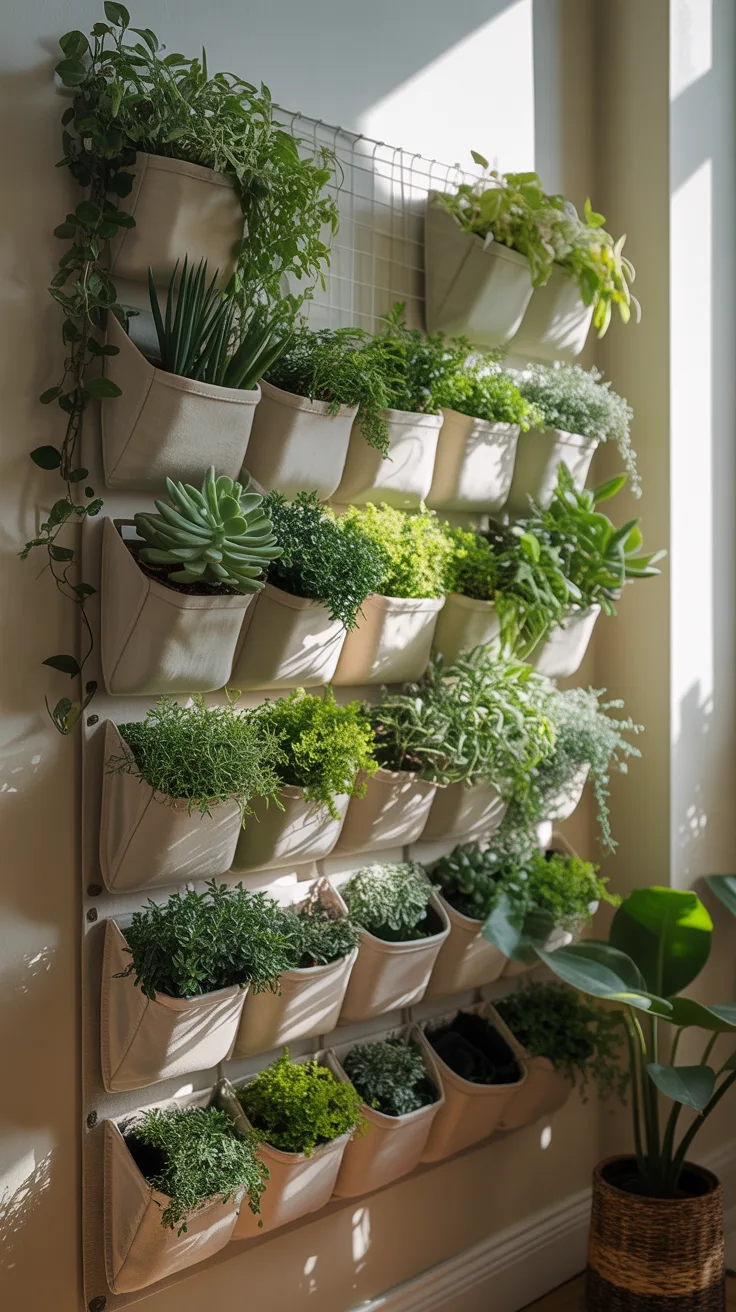
Vertical gardens have been my saving grace in small spaces. Instead of spreading out, these gardens grow up, utilizing wall space that would otherwise remain bare.
When I installed my first vertical garden, I made the rookie mistake of not considering the weight. My poorly mounted shelf came crashing down after a heavy watering! Learn from my experience and ensure your mounting hardware can support the weight of soil, plants, and water.
- Use pocket planters that hang on walls or fences
- Try a trellis system for climbing plants like peas or beans
- Repurpose a shoe organizer for a quick DIY vertical garden
- Install floating shelves specifically for plant display
- Consider modular wall planting systems for easy expansion
Pro Tip: Group plants with similar water and light requirements together in your vertical garden. I once mixed succulents with ferns and ended up with very unhappy plants on both ends of the moisture spectrum!
Container Gardening
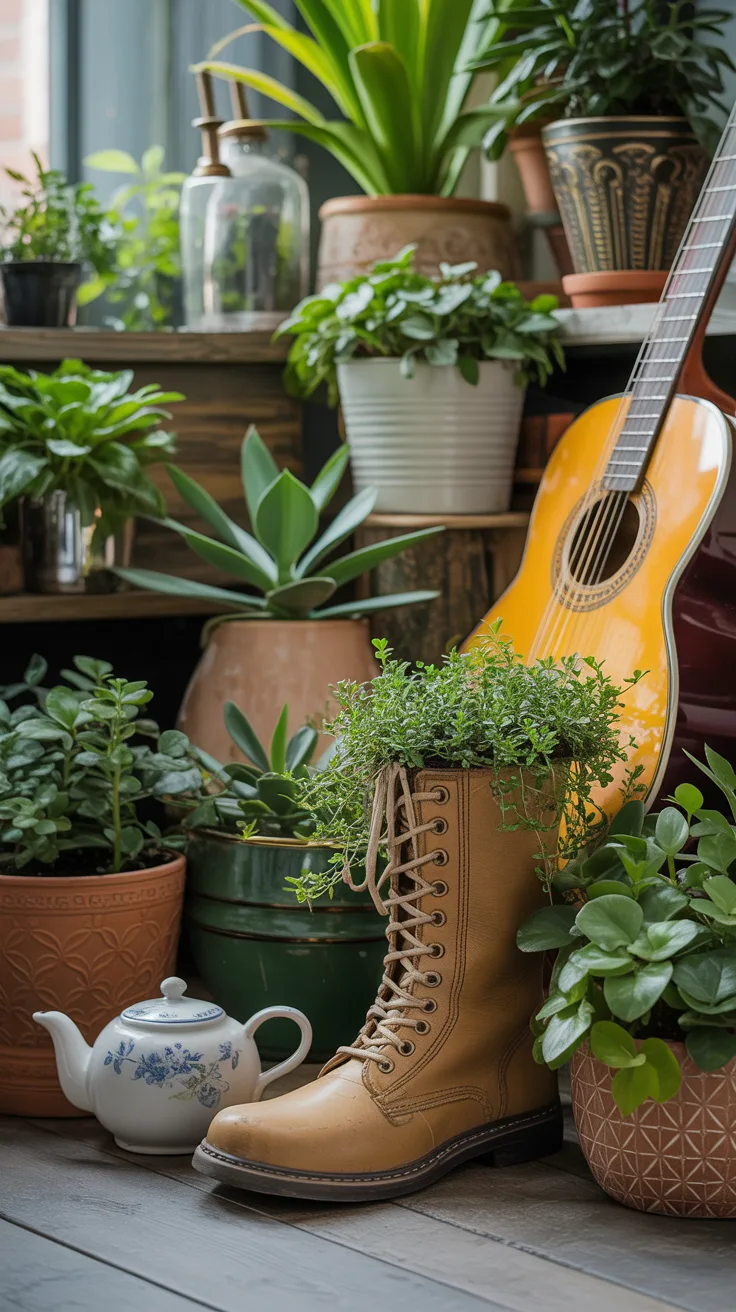
Container gardening offers incredible flexibility for small home garden enthusiasts. I’ve moved my potted plants around countless times to find their happy spots, something impossible with in-ground gardens.
- Use containers of varying heights to create visual interest
- Try self-watering pots if you tend to forget watering (a lifesaver during my busy work weeks)
- Repurpose unusual items as planters—I’ve used old boots, teapots, and even a broken guitar
- Group containers to create a lush effect in corners
- Choose lightweight containers if you’ll be moving them frequently
Pro Tip: Always ensure your containers have drainage holes. I once planted beautiful petunias in decorative pots without drainage and watched them rot within weeks despite careful watering.
Herb Gardens
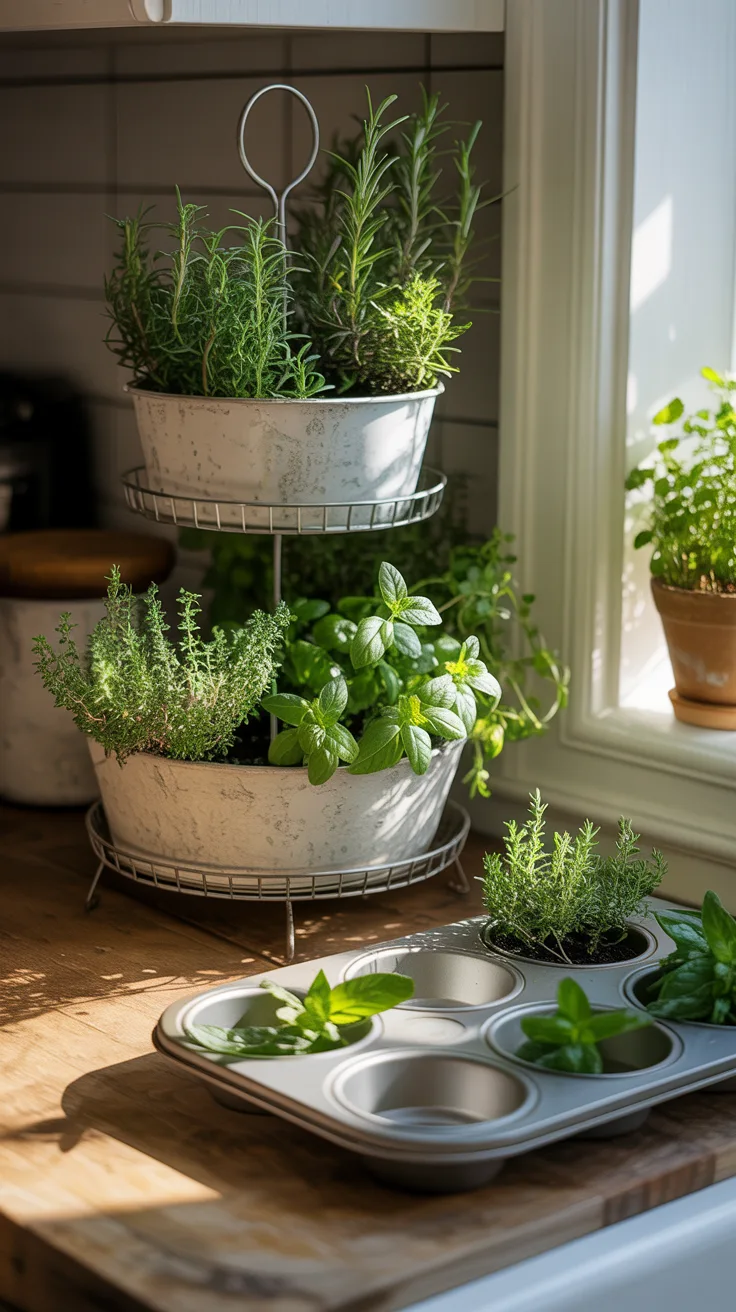
My kitchen herb garden has saved me countless trips to the grocery store. Plus, there’s something magical about snipping fresh herbs while cooking.
- Start with hardy herbs like rosemary, thyme, and mint
- Use a tiered plant stand to maximize windowsill space
- Try an indoor hydroponic herb garden for year-round growing
- Plant herbs in a repurposed muffin tin for a compact garden
- Consider hanging herb planters near kitchen windows
Pro Tip: Keep mint in its own container! I learned this the hard way when my mint took over an entire planter, choking out my other herbs in a matter of weeks.
Window Boxes
Window boxes add instant charm to any home while providing a perfect growing space for flowers, herbs, or even small vegetables.
- Choose window boxes with built-in water reservoirs to reduce maintenance
- Plant cascading flowers like petunias or ivy to soften the edges
- Consider seasonal rotations—pansies in spring, petunias in summer
- Mix edibles and ornamentals for a beautiful and productive display
- Use coconut liner to improve drainage and reduce soil loss
Pro Tip: Secure your window boxes properly! My first attempt ended with a window box on my neighbor’s patio below after a particularly windy day—not the neighborly introduction I was hoping for.
Hanging Planters
Hanging planters are perfect for creating a garden in the air, leaving your limited floor space free for other uses.
- Use macramé hangers for a boho look (my living room’s current vibe)
- Try upside-down planters for tomatoes or strawberries
- Hang plants at varying heights for a dynamic display
- Consider pulley systems to make watering easier
- Use lightweight potting mix to reduce strain on hooks
Pro Tip: Rotate hanging plants a quarter turn each week to ensure even growth. I neglected this with my pothos and ended up with a plant growing dramatically toward the window on one side only!
Balcony Gardens
My balcony transformation from concrete slab to green oasis took time, but it’s now my favorite spot to enjoy morning coffee surrounded by plants.
- Use railing planters to maximize space
- Create privacy with tall grasses or bamboo
- Consider a small folding table that can double as a potting station
- Use vertical space with wall planters or trellises
- Choose lightweight containers if weight restrictions apply
Pro Tip: Check your building regulations before setting up your balcony garden. I had to dismantle my beautiful setup when management pointed out that my floor-to-ceiling trellis violated building codes.
Terrariums
Terrariums are like miniature worlds that bring joy to any small space. They’re perfect for plant lovers with limited space or those who travel frequently.
- Use closed terrariums for high-humidity plants like ferns
- Try open terrariums for succulents and cacti
- Add tiny figurines or colored stones for personality
- Layer different colored sands for visual interest
- Use long tools for planting and maintenance in narrow containers
Pro Tip: Avoid overwatering your terrarium. My first attempt turned into a moldy mess because I didn’t understand that closed terrariums create their own water cycle and need minimal additional moisture.
Raised Beds
Even in small yards or patios, compact raised beds can provide ample growing space for vegetables and flowers.
- Use corner raised beds to maximize awkward spaces
- Try tiered raised beds for more planting area
- Consider self-watering raised beds for busy gardeners
- Build narrow beds along fences or walls
- Use cedar or other naturally rot-resistant woods for longevity
Pro Tip: Line the bottom of your raised bed with hardware cloth before adding soil if you have issues with burrowing pests. I lost an entire crop of carrots to voles before implementing this solution!
Succulent Gardens
Succulents have become my go-to plants for challenging spaces with limited time for maintenance. Their architectural forms and minimal water needs make them perfect for small home gardens.
- Create a succulent bowl with multiple varieties for visual interest
- Try a vertical succulent wall hanging for a living art piece
- Plant succulents in unusual containers like teacups or driftwood
- Use succulent cuttings to expand your collection for free
- Mix colorful varieties for year-round interest
Pro Tip: Don’t overwater succulents! I’ve killed more succulents with kindness than neglect. Let the soil dry completely between waterings.
Indoor Gardens
Indoor gardens bring life and improved air quality to your living spaces. They’ve been my salvation during long winters when outdoor gardening isn’t possible.
- Group plants with similar care needs together
- Use decorative plant stands to create multi-level displays
- Try grow lights for rooms with insufficient natural light
- Consider air plants for truly space-saving options
- Use humidity trays for moisture-loving plants
Pro Tip: Watch for pests on indoor plants and isolate new additions for a week before introducing them to your collection. I once had a spider mite infestation spread to my entire indoor garden from one new plant!
Fairy Gardens
Creating miniature fairy gardens has become a delightful hobby that allows me to garden even in the smallest containers.
- Use miniature plants like Irish moss, baby tears, or tiny ferns
- Add miniature furniture, houses, and pathways for whimsy
- Create themes like beach, woodland, or desert
- Repurpose broken pots as “cliff dwellings” for fairies
- Use natural materials like twigs and pebbles for authentic details
Pro Tip: Seal any painted elements with clear waterproof sealer before adding them to your fairy garden. I learned this lesson after my handcrafted fairy houses turned into a soggy, colorful mess after the first watering.
Hydroponic Gardens
Hydroponic gardening revolutionized my indoor growing. Without soil, these systems are clean and incredibly productive even in tiny spaces.
- Try a window farm made from recycled bottles
- Use a countertop hydroponic system for herbs
- Experiment with a vertical hydroponic tower
- Consider an aquaponic setup with fish if you have slightly more space
- Use a simple deep water culture system for leafy greens
Pro Tip: Start with a simple system before investing in expensive equipment. My first hydroponic attempt was with a DIY setup using plastic containers and an aquarium air pump, which worked perfectly for growing lettuce!
Pallet Gardens
Repurposed wooden pallets make excellent vertical gardens with minimal investment. My pallet herb garden is both functional and a conversation starter.
- Use food-safe pallets for edible plants
- Line with landscape fabric to hold soil
- Plant drought-tolerant varieties in the top sections
- Save moisture-loving plants for the bottom pockets
- Consider painting or staining the wood for longevity
Pro Tip: Let your planted pallet rest horizontally for 1-2 weeks before mounting vertically. This gives roots time to establish and prevents soil from washing out when watered. I skipped this step once