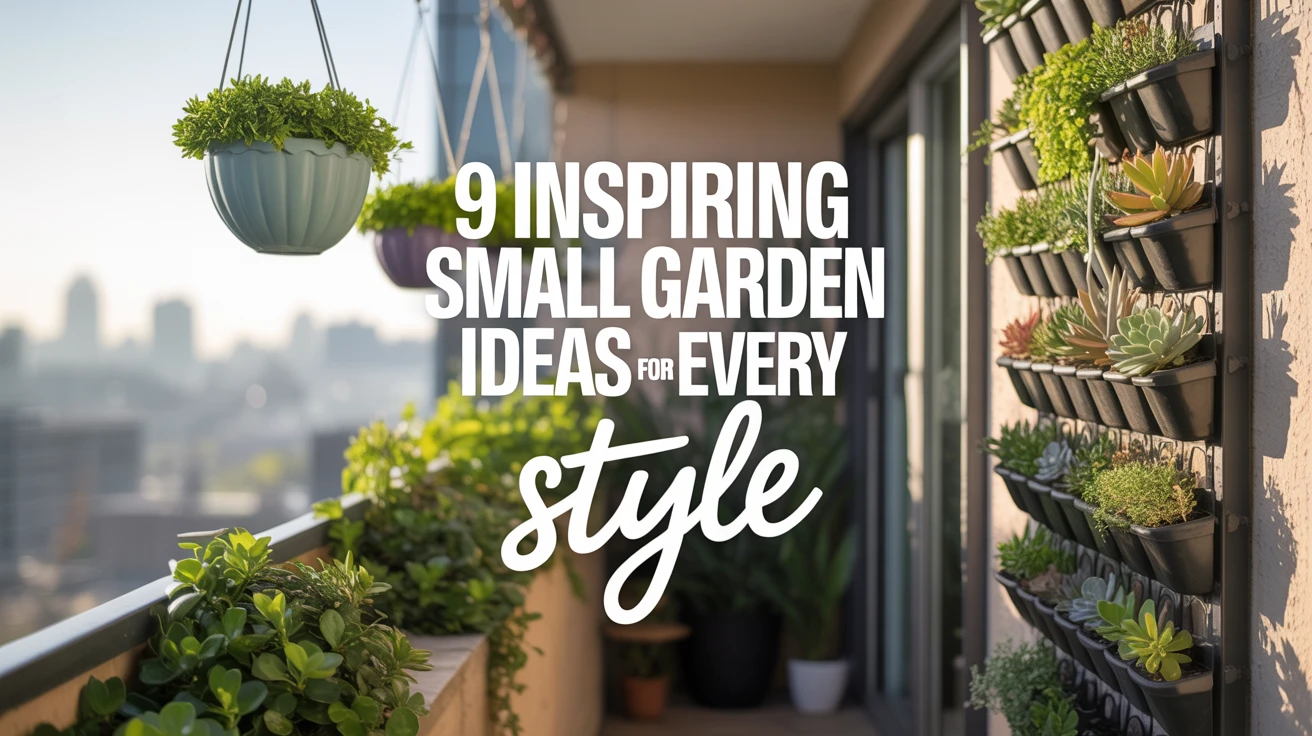
Cultivating Creativity in Compact Spaces
When I first moved into my urban apartment with a tiny balcony, I felt my gardening dreams withering. But that small space became my canvas for experimentation, teaching me that limited square footage doesn’t mean limited creativity. In fact, I’ve found that working with constraints often sparks the most innovative solutions.
Whether you’re dealing with a modest balcony, a narrow side yard, or a petite patio, small garden inspiration is all around us. With thoughtful design and strategic plant selection, even the tiniest outdoor space can become a lush retreat that reflects your personal style.
I’ve compiled nine of my favorite approaches to small-space gardening, each offering unique benefits and aesthetic possibilities. Let’s explore how to maximize your minimal garden footprint while creating maximum impact.
1. Vertical Gardens: Elevate Your Greenery
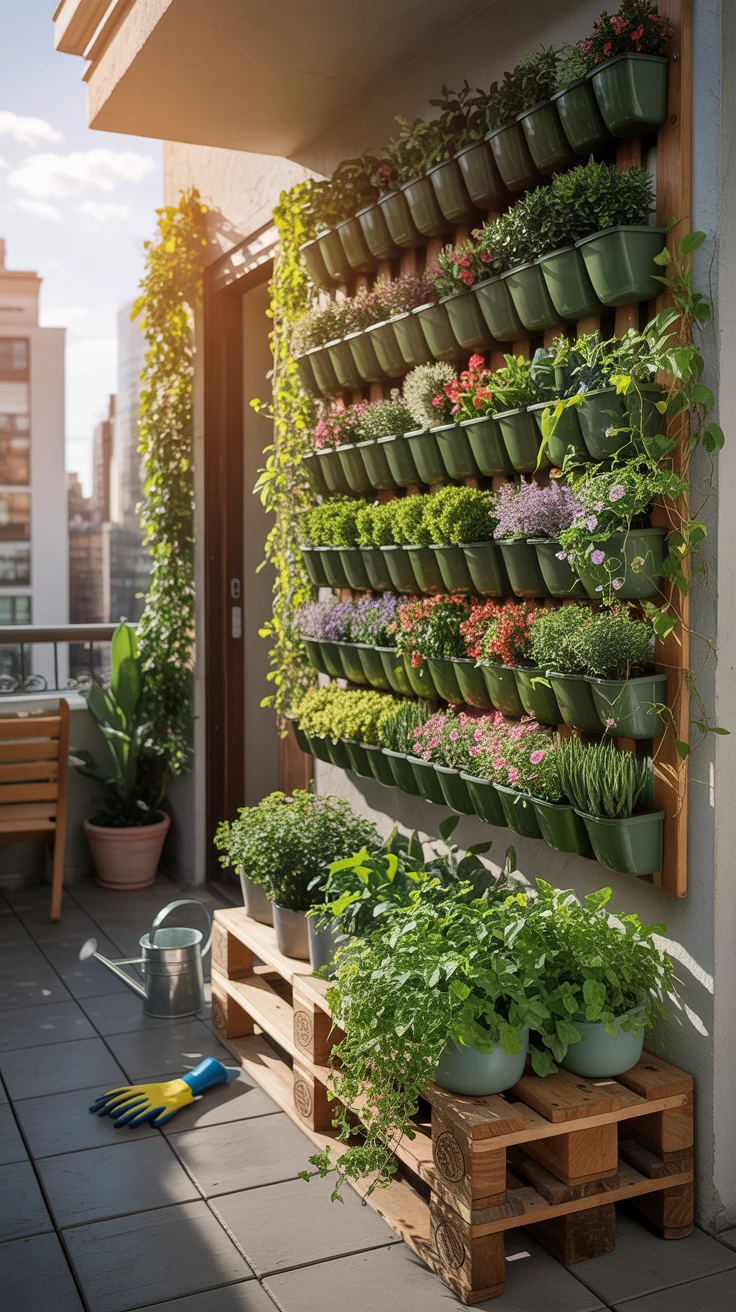
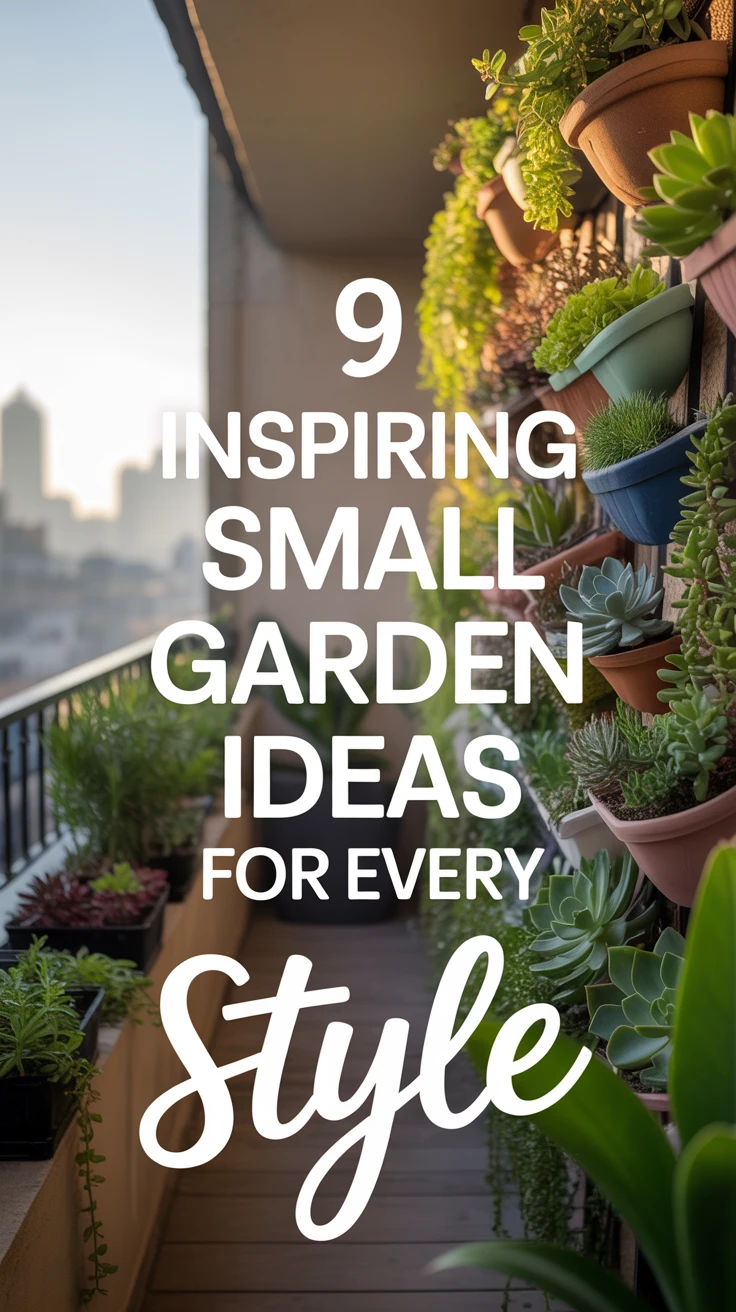
When I ran out of horizontal space in my first small garden, I looked up—literally. Vertical gardening transformed my bare walls into living tapestries of green, effectively doubling my planting area without claiming an inch of floor space.
Vertical gardens work by utilizing wall space, fences, or free-standing structures to support plants growing upward rather than outward. I’ve implemented everything from simple trellises for climbing vegetables to elaborate living walls packed with succulents and trailing vines.
- Pocket planters attached to walls or fences
- Repurposed pallets converted into planters
- Trellis systems for climbing plants like jasmine or clematis
- Modular wall-mounted planting systems
Pro Tip: When creating a vertical garden on an exterior wall, I always install a waterproof membrane first. I learned this the hard way after moisture damage appeared on my interior wall—a costly mistake that could have been easily avoided!
2. Container Gardening: Flexibility in a Pot
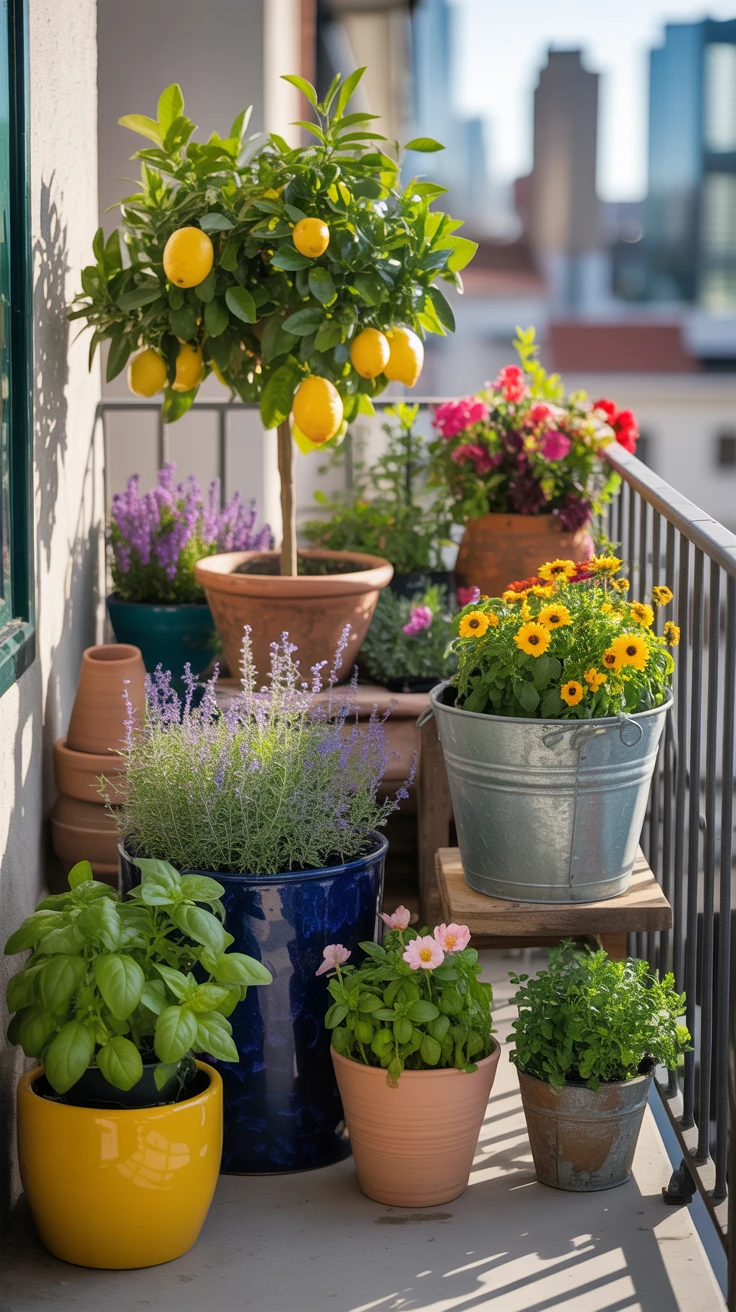
Container gardening revolutionized my approach to small garden inspiration. Unlike permanent plantings, potted arrangements can be rearranged seasonally, moved to follow the sun, or completely redesigned on a whim.
I particularly love mixing container sizes, materials, and heights to create visual interest. My collection includes everything from glazed ceramic pots to galvanized metal tubs, each adding texture and character while housing different plant varieties.
- Dwarf fruit trees (my lemon tree in a pot produces surprisingly well)
- Ornamental grasses for movement and texture
- Annual flowers for seasonal color bursts
- Herbs and small vegetables for edible container gardens
Pro Tip: I use quality potting mix rather than garden soil in my containers. Garden soil compacts too easily in pots, leading to poor drainage and root problems—a mistake I made with my first container garden that resulted in waterlogged, unhappy plants.
3. Herb Spirals: Spice Up Your Space
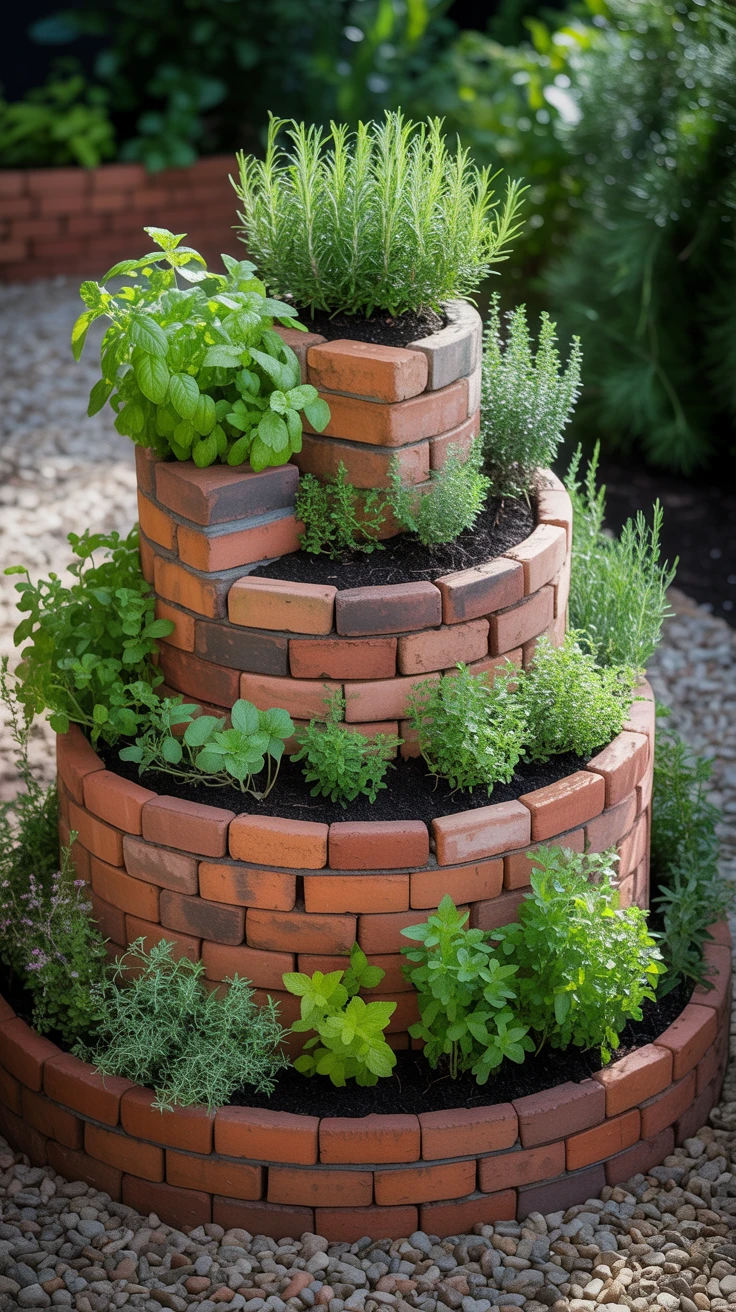
Herb spirals represent one of my favorite permaculture-inspired designs for small spaces. These three-dimensional growing structures create multiple microclimates in a compact footprint, allowing you to grow a variety of herbs with different water and sunlight needs in one central location.
My first herb spiral was constructed using reclaimed bricks in a gradually rising spiral shape. The design naturally creates sunny, dry conditions at the top (perfect for Mediterranean herbs like rosemary and thyme) and shadier, moister conditions at the bottom (ideal for mint and parsley).
The spiral design not only maximizes growing space but also creates an attractive focal point that adds architectural interest to even the smallest garden. I’ve found it to be both practical and beautiful—the perfect combination for small-space gardening.
Pro Tip: When building your herb spiral, create a slight slope from center to edge to facilitate proper drainage. My first attempt was too flat, resulting in waterlogging during heavy rains.
4. Raised Beds: Structure and Substance
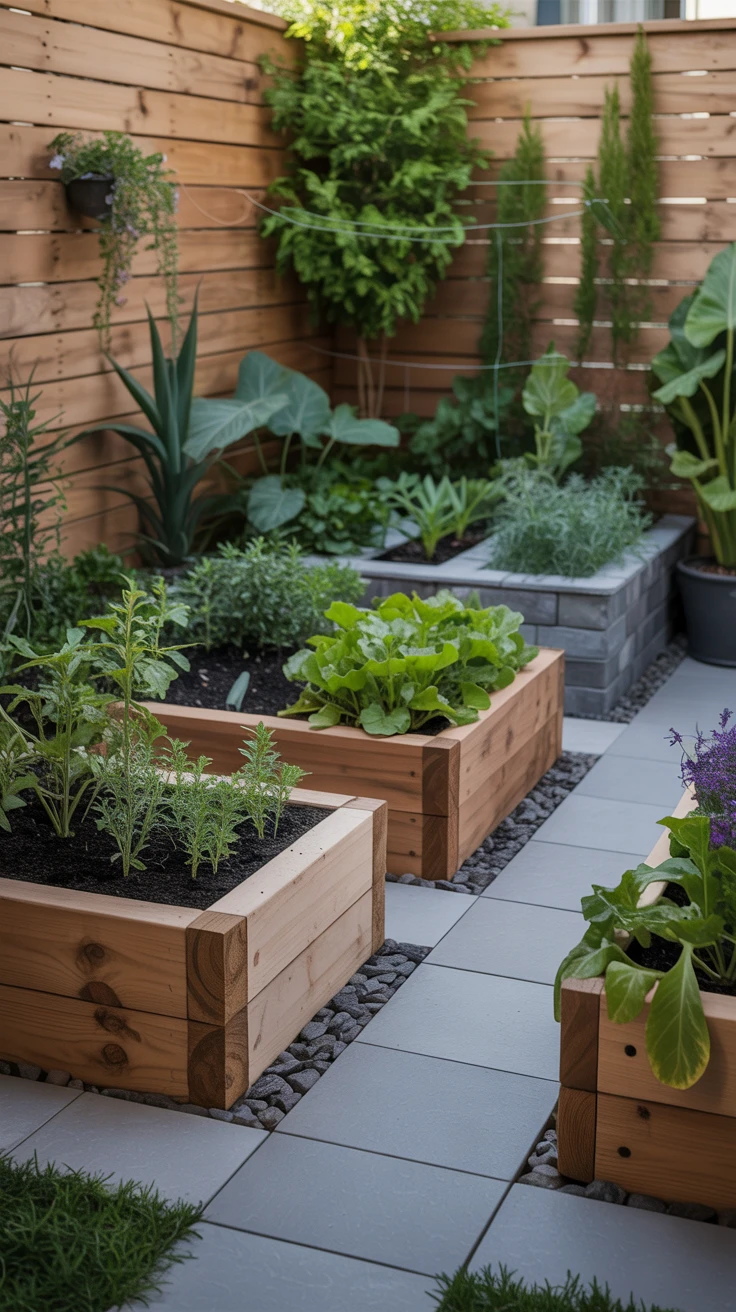
Raised beds transformed my gardening experience by creating clearly defined growing areas with improved soil conditions. In my small garden, I use compact raised beds to maximize growing space while maintaining pathways for access.
The beauty of raised beds lies in their versatility. I’ve constructed them from various materials—cedar planks, composite decking, even stone—each offering different aesthetics and durability. By keeping beds narrow (no more than 4 feet across), I can reach the center without stepping on and compacting the soil.
For extremely small spaces, I recommend square-foot gardening in raised beds, a method that divides the growing area into 1-foot squares, each planted with a specific number of plants based on their size. This systematic approach has helped me grow an impressive amount of produce in minimal space.
Pro Tip: Line the bottom of raised beds with hardware cloth before adding soil if you have issues with burrowing pests. I learned this after losing an entire crop of root vegetables to voles!
5. Hanging Planters: Floating Florals
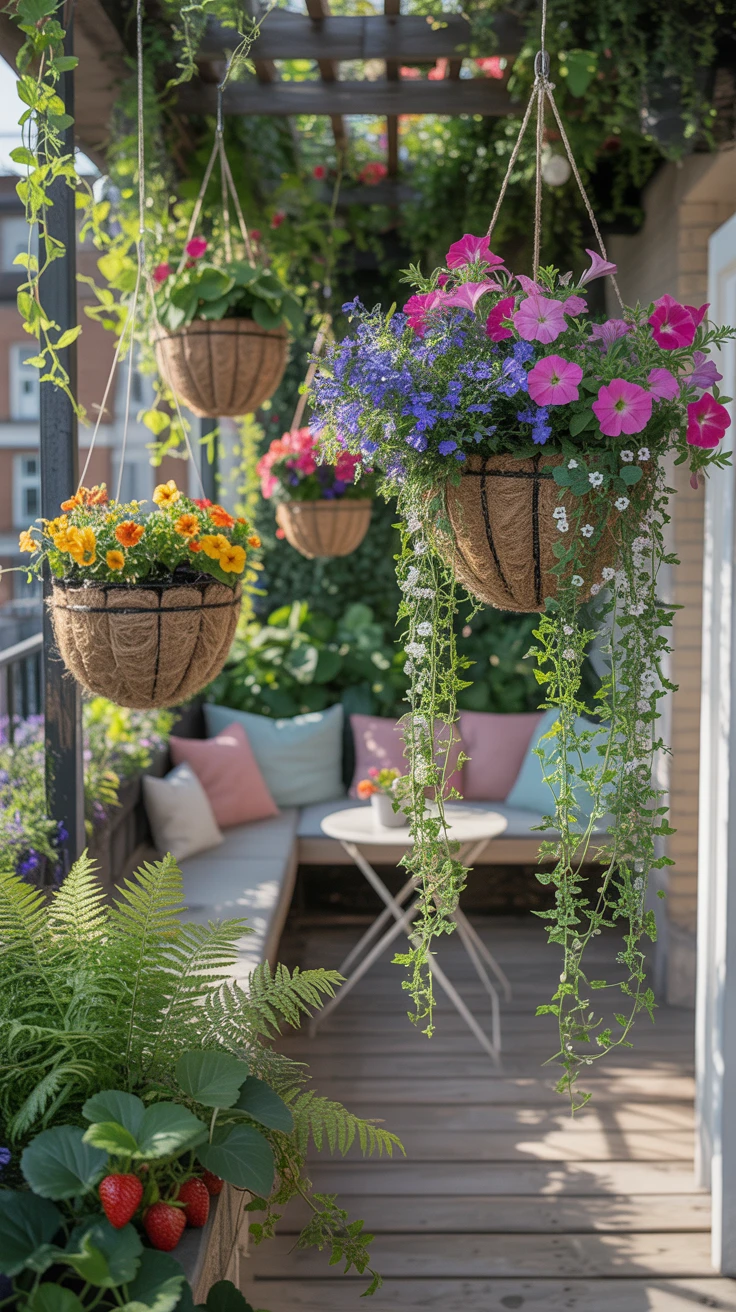
Hanging planters add a magical dimension to small garden inspiration by utilizing the space above our heads. I’ve hung plants from pergolas, porch ceilings, shepherd’s hooks, and even tree branches to create the illusion of a garden that floats in mid-air.
The cascading effect of plants like trailing petunias, ivy, and string of pearls creates visual drama while keeping precious floor space clear. In my own small garden, I’ve created “living curtains” of hanging plants to define different zones and add privacy without building solid walls.
- Trailing lobelia for delicate blue flowers
- Strawberries for both ornamental value and edible fruits
- String of pearls or string of hearts for sculptural trailing forms
- Ferns for lush, woodland-inspired hanging baskets
Pro Tip: Install hanging planters on pulleys if they’re placed high up. This system allows me to lower the plants for watering and maintenance without climbing on ladders—a simple solution that’s saved me countless hours of awkward reaching.
6. Compact Water Features: Serenity Simplified
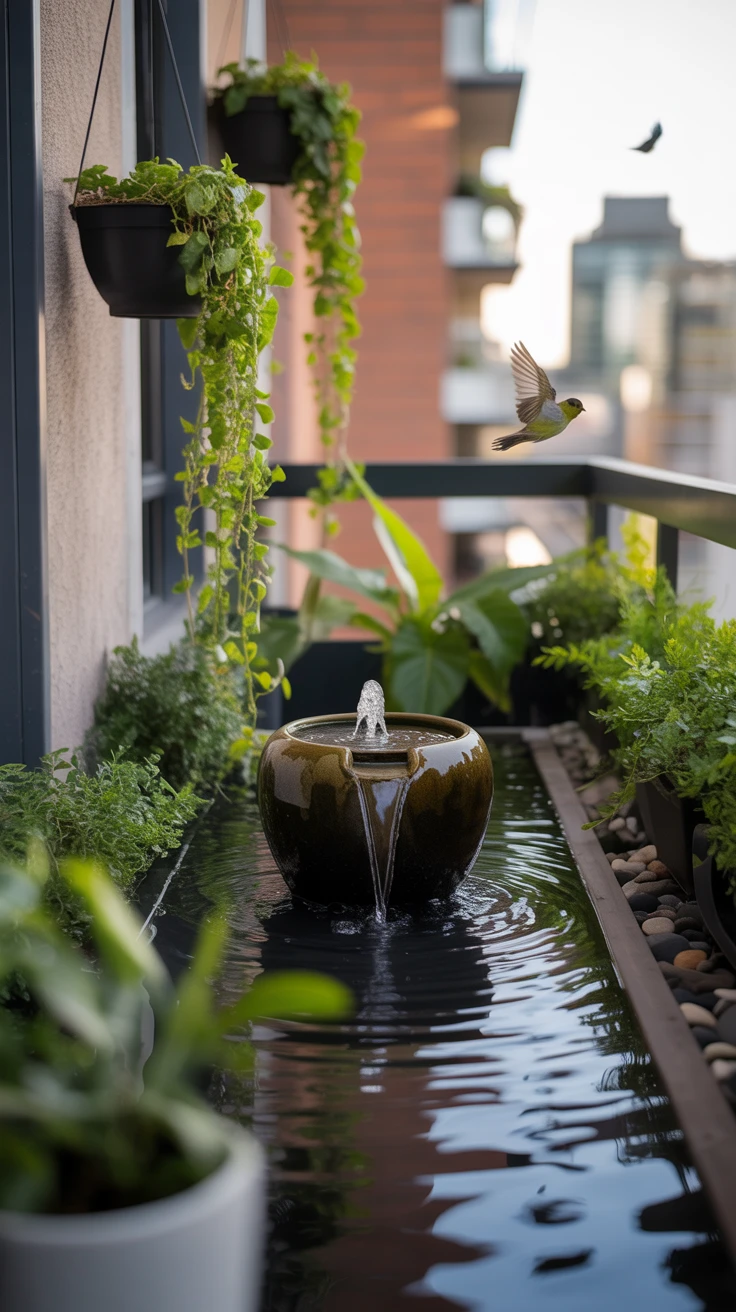
Adding the sound of water to a small garden creates an outsized sensory impact. I discovered this when I installed a simple container fountain in my tiny courtyard—suddenly, the space felt cooler, more serene, and the ambient noise of the city seemed to fade away.
You don’t need elaborate pond systems to achieve this effect. My first water feature was simply a glazed ceramic pot with a small recirculating pump. I’ve since experimented with wall fountains, tabletop water bowls, and even a whiskey barrel mini-pond complete with water lilies.
Water features also attract beneficial wildlife like birds and pollinators, adding another dimension of life to your compact garden. The movement and reflection of water brings a dynamic quality that makes the space feel larger and more immersive.
Pro Tip: Use mosquito dunks or keep small fish in standing water features to prevent mosquito breeding. I neglected this precaution initially and created an unwanted insect nursery!
7. Japanese Zen Garden: Tranquility in Tight Quarters
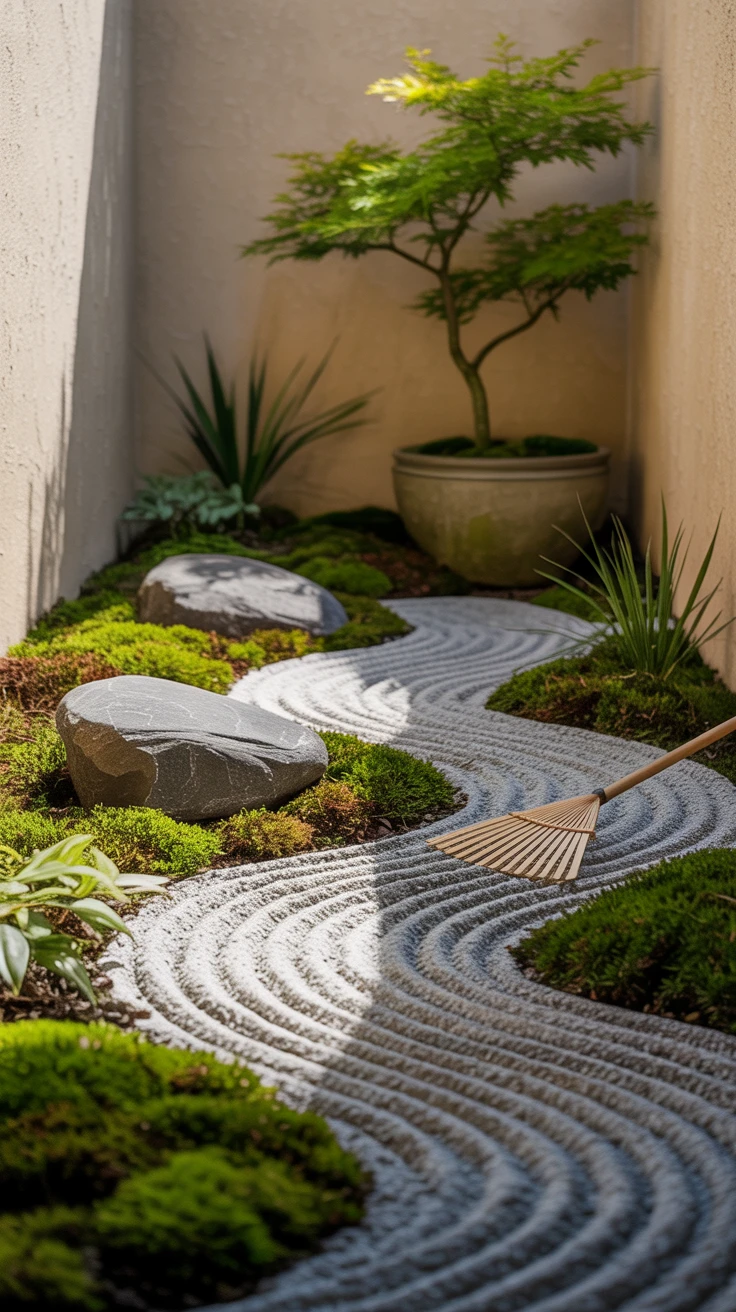
When space is at a premium, the Japanese concept of “ma”—the beauty of negative space—becomes particularly relevant. My exploration of Zen garden principles taught me that sometimes less truly is more, especially in confined areas.
A small Zen-inspired garden might include carefully placed rocks, raked gravel or sand, minimal plantings of moss or ornamental grasses, and perhaps a single feature tree or shrub. The emphasis is on contemplation rather than abundance, making it perfect for tiny courtyards or side yards.
In my own interpretation, I created a 6×8 foot Zen garden with three carefully positioned rocks, a small Japanese maple in a container, and raked gravel. This minimalist approach created a surprisingly powerful sense of calm and became my favorite spot for morning meditation.
Pro Tip: Use a rake with widely spaced tines to create patterns in fine gravel. I keep a small dedicated rake hanging nearby to refresh the patterns whenever I need a mindful moment.
8. Edible Landscaping: Beauty Meets Bounty
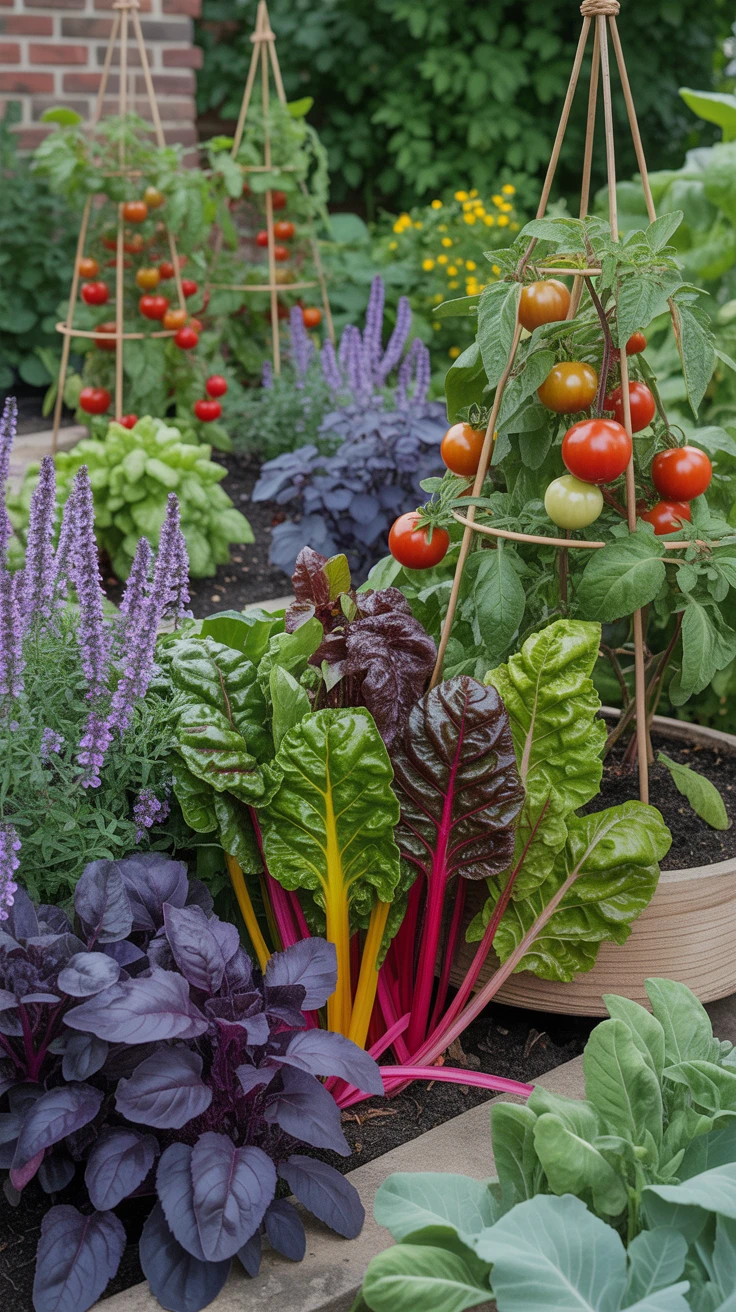
Integrating edibles into ornamental plantings has been a game-changer in my small garden journey. By selecting vegetables, herbs, and fruits for their aesthetic qualities as well as their flavor, I’ve created beautiful landscapes that also feed my family.
Rainbow chard, purple basil, tricolor sage, and red-veined sorrel offer stunning foliage that rivals many ornamental plants. Blueberry bushes provide spring flowers, summer fruit, and spectacular fall color. Even tomatoes can be trained to grow ornamentally on decorative obelisks.
This approach maximizes the productivity of limited space while maintaining visual appeal. My front yard edible landscape generates compliments from neighbors who often don’t realize they’re admiring vegetables rather than traditional ornamentals.
Pro Tip: Group plants with similar water needs together to simplify irrigation. I initially scattered drought-tolerant herbs among thirstier vegetables, making efficient watering impossible.
9. Multi-Functional Spaces: Designing for Dual Use
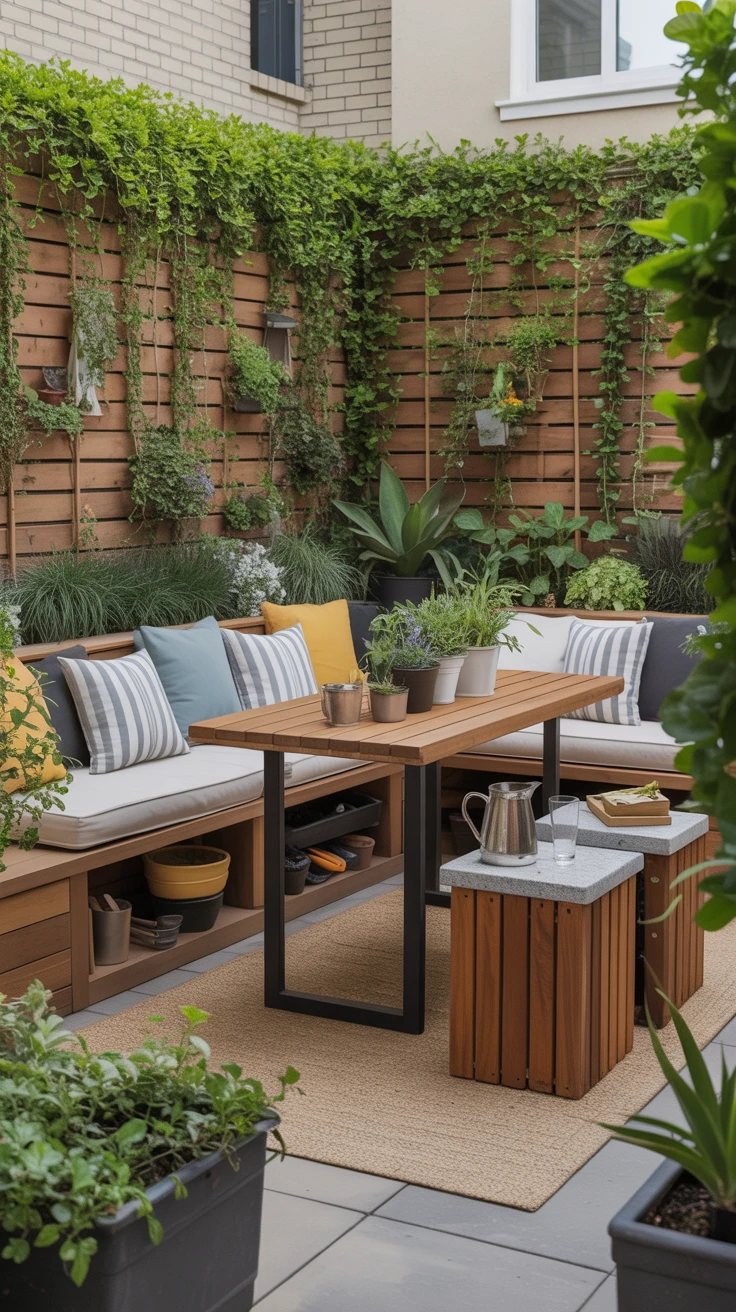
The ultimate small space solution is creating areas that serve multiple purposes. My breakthrough came when I stopped seeing my patio as just a garden and reimagined it as an outdoor room with living plants as the décor.
Built-in bench seating with storage underneath houses garden tools while providing seating. A dining table doubles as a potting surface. Trellised plants create privacy screens. Even my compost bin serves as a side table when topped with a large paving stone.
By thinking beyond traditional garden categories, I’ve created a space that seamlessly transitions between entertaining area, relaxation zone, and productive garden. This integrated approach makes every square inch work harder without feeling cluttered or compromised.
Pro Tip: Use furniture and containers with wheels for maximum flexibility. I can completely reconfigure my space in minutes thanks to this simple design choice.
Small Spaces, Big Possibilities
Throughout my journey with small garden inspiration, I’ve learned that constraints often lead to the most creative solutions. Each of these nine approaches offers a different pathway to maximizing your minimal outdoor space, whether you’re drawn to lush abundance, structured minimalism, or productive edible landscapes.
The key is to view your small garden not as a limitation but as a focused canvas for expressing your personal style. By thinking vertically, embracing containers, creating multi-functional elements, and borrowing concepts from different garden traditions, you can create an outdoor space that feels expansive despite its modest dimensions.
Remember that gardening is an evolving process—start with the ideas that resonate most strongly with you, then adapt and combine approaches as you discover what works best in your unique space. Your perfect small garden is waiting to grow.