

As an Amazon Associate, we may earn from qualifying purchases. Links in this article may be affiliate links.
Introduction
When I first started gardening, I quickly realized that traditional in-ground gardens weren’t ideal for my situation. The soil in my yard was poor, weeds were relentless, and bending down to tend my plants was becoming a literal pain in my back. That’s when I discovered the joy of raised garden beds. But as a budget-conscious gardener, I wasn’t thrilled about spending hundreds of dollars on pre-made options.
After years of experimentation, I’ve perfected the art of building raised garden beds DIY style—ones that are both affordable and surprisingly durable. In this guide, I’ll share everything I’ve learned about constructing raised beds that won’t break the bank but will stand the test of time and weather.
Benefits of Raised Garden Beds

Before we dive into construction, let’s talk about why raised garden beds are worth the effort in the first place. I was skeptical at first too, but these advantages quickly won me over:
- Better drainage – Water flows more freely, preventing root rot and fungal diseases that plagued my in-ground gardens
- Improved soil quality – You control exactly what goes into your soil mix, avoiding the clay or sandy soil you might be stuck with otherwise
- Fewer weeds – A proper barrier at the bottom dramatically reduces weed invasion (something I wish I’d known before my first attempt!)
- Extended growing season – The soil in raised beds warms faster in spring and drains better during wet seasons
- Reduced back strain – Less bending means I can garden longer without pain
- Clearer boundaries – Plants stay where they belong, and pathways remain defined
- Protection from pests – Elevated gardens deter some ground-dwelling pests like slugs and snails

View on AmazonAs an Amazon Associate, I earn from qualifying purchases.

View on AmazonAs an Amazon Associate, I earn from qualifying purchases.
Pro Tip: If you have particularly poor native soil like I did, raised beds can save you years of soil amendment efforts. They’re an instant solution to bad soil problems.
Choosing the Right Materials for Cheap Raised Garden Beds

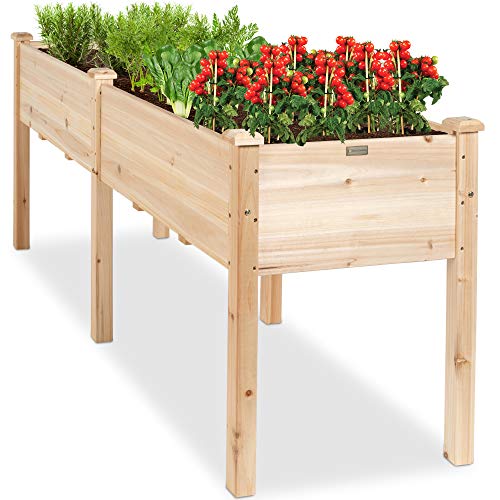
The secret to affordable raised garden beds DIY projects is material selection. After some costly mistakes (like using untreated pine that rotted within a year), I’ve identified several budget-friendly options that actually last:
Wood Options
- Cedar or redwood – Though more expensive initially ($20-30 per board), these naturally rot-resistant woods lasted me 7+ years without treatment
- Heat-treated pine – Much cheaper ($8-15 per board) and will last 3-5 years with proper sealing
- Reclaimed pallets – Nearly free but require careful selection (avoid those treated with methyl bromide, marked with “MB”)
- Fence boards – Often available cheaply when neighbors replace fencing
Non-Wood Alternatives
- Concrete blocks – Inexpensive ($1-2 each), extremely durable, and can be stacked without mortar
- Corrugated metal – Salvaged roofing sheets paired with wooden frames create long-lasting beds with industrial charm
- Recycled plastic lumber – More expensive upfront but virtually maintenance-free and lasts decades
- Stone or brick – Can often be found free on marketplace sites when people renovate
View on AmazonAs an Amazon Associate, I earn from qualifying purchases.

View on AmazonAs an Amazon Associate, I earn from qualifying purchases.
Pro Tip: I’ve had great success checking construction site dumpsters (with permission!) and posting “wanted” ads for materials people are removing during renovations. My best beds were built with cedar fencing a neighbor was replacing—completely free!
Consider exploring gardening tools or raised garden bed kits for more ideas and inspiration.
Step-by-Step DIY Construction Guide

After building over a dozen beds for myself and friends, I’ve streamlined the process. Here’s my foolproof method for constructing raised garden beds that won’t fall apart after the first frost:
What You’ll Need
- Lumber of choice (for a basic 4’×8′ bed, you’ll need four 8′ boards)
- Screws (3″ deck screws work well)
- Drill/driver
- Measuring tape and pencil
- Level
- Saw (circular or hand saw)
- Landscape fabric (optional but recommended)
- Corner brackets (optional for added stability)
- Wood preservative (if using untreated wood)
Check out some power tools that can make your DIY projects easier.
Construction Steps
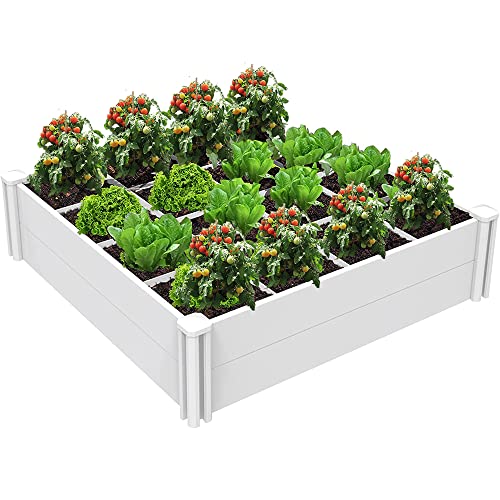
- Prepare your site – Clear vegetation, level the ground, and mark your bed dimensions. I learned the hard way that skipping proper site prep leads to wobbly, uneven beds.
- Cut your lumber – For a standard 4’×8′ bed, cut two of your 8′ boards in half to create the 4′ ends.
- Treat the wood – If using untreated wood, apply a food-safe preservative like linseed oil to all surfaces and let dry completely. This step alone doubled the lifespan of my pine beds.
- Assemble the frame – Position boards on edge and connect corners using three screws per joint. Pre-drilling prevents splitting (a mistake I made with my first bed).
- Reinforce corners – For beds taller than 12″, add vertical corner posts inside each corner for structural support.
- Install bottom barrier – Lay landscape fabric along the bottom, extending up the sides by a few inches to block weeds but allow drainage.
- Position the bed – Place your assembled frame in its final location and check that it’s level.
- Add internal supports – For beds longer than 6′, install a cross-support in the middle to prevent bowing when filled with soil.
- Fill with soil – Use a quality mix of topsoil, compost, and other amendments suitable for your plants.
For more options, explore garden soil and compost to enrich your beds.
View on AmazonAs an Amazon Associate, I earn from qualifying purchases.

View on AmazonAs an Amazon Associate, I earn from qualifying purchases.
Pro Tip: For extra durability, I line the inside of wooden beds with heavy plastic sheeting, but only up to the soil line. This prevents direct soil-to-wood contact while allowing the wood to breathe above ground, significantly extending bed life without chemical treatments.
Tips for Longevity and Maintenance

The difference between a raised bed that lasts two seasons and one that lasts a decade often comes down to maintenance. Here’s how I keep my DIY raised garden beds looking and functioning their best year after year:
- Annual inspection – Every spring, I check for loose screws, warping boards, or signs of rot and address issues immediately
- Soil replenishment – Add 2-3 inches of compost each season to replace nutrients and maintain soil level
- Edge protection – Keep mulch and soil from direct contact with the top edges of wooden beds
- Winter care – In harsh climates, consider covering empty beds with tarps during winter months
- Corner reinforcement – If corners begin to separate, add metal brackets to restore structural integrity
- Wood retreatment – Every 2-3 years, apply food-safe oil to exposed wood surfaces
- Drainage maintenance – Periodically check that drainage holes remain clear
One mistake I made early on was overfilling my beds. Soil should be at least an inch below the top of your frame to prevent washout during watering and rain.
Consider using mulch for edge protection and tarps for winter care.
Pro Tip: Implement crop rotation in your raised beds just as you would in a traditional garden. This practice has helped me maintain soil fertility and reduce pest problems without expensive interventions.
Pro Tips for Raised Bed Gardening Success
Beyond construction, I’ve picked up several practices that have dramatically improved my raised bed gardening results:
- Optimal sizing – Keep beds no wider than 4 feet so you can reach the center from either side without stepping in the bed
- Soil depth consideration – Root vegetables need at least 12″ depth, while most other plants do fine with 8-10″
- Vertical elements – Incorporate trellises or cattle panel arches directly into bed construction for space-efficient growing
- Irrigation planning – Install drip irrigation systems before filling with soil—I wasted hours trying to add it later
- Companion planting – Utilize companion planting strategies to maximize yield and minimize pest issues
Explore irrigation systems and trellises to enhance your garden setup.
Pro Tip: My most productive beds feature a layer of hardware cloth (metal mesh) installed at the bottom before the landscape fabric. This has completely eliminated problems with burrowing pests like voles and moles that decimated my first raised bed garden.
Conclusion
Building cheap raised garden beds DIY style doesn’t mean compromising on quality or longevity. With thoughtful material selection, proper construction techniques, and consistent maintenance, you can create garden beds that serve you well for many growing seasons without breaking your budget.
I started my journey looking to save money, but the benefits of raised bed gardening—from improved harvests to reduced physical strain—have far exceeded my expectations. Whether you’re a novice gardener or a seasoned green thumb looking to expand, DIY raised beds offer an accessible, rewarding project with immediate and long-lasting benefits.
Remember, gardening is about learning and adapting. My first raised bed was far from perfect, but each one I’ve built since has improved upon the last. Your garden will evolve with you, and that’s part of the joy of growing.
Frequently Asked Questions
How deep should a raised garden bed be?
For most vegetables, a minimum depth of 8-10 inches is sufficient. However, root vegetables like carrots and potatoes benefit from 12-18 inches of depth. My shallow 6-inch beds work fine for herbs and lettuce, but I regretted not going deeper when trying to grow decent carrots.
What’s the cheapest material for building raised garden beds?
Reclaimed materials are typically the most cost-effective. Pallets, salvaged fence boards, and free cinder blocks from construction sites or online marketplaces have helped me build beds for next to nothing. Just be sure to avoid treated woods that might contain harmful chemicals.
Do I need to replace the soil in my raised beds every year?
No, complete soil replacement isn’t necessary. Instead, I add 2-3 inches of compost to the top of my beds each spring to replenish nutrients. After about 3-5 years, you might want to remove some soil and mix in more amendments if you notice declining productivity.
How can I prevent my wooden raised beds from rotting?
To extend the life of wooden beds, I use these techniques: choose naturally rot-resistant woods when possible, apply food-safe preservatives like linseed oil, install a plastic liner between soil and wood, ensure proper drainage, and keep soil level below the top board to prevent constant moisture contact with the wood edges.
Can I build raised beds directly on grass or concrete?
Yes to both, with modifications. On grass, I lay cardboard underneath to kill the turf and prevent weeds. On concrete, I ensure adequate drainage holes and a minimum soil depth of 12 inches to accommodate root growth. My concrete patio raised beds have performed surprisingly well, though they do require more frequent watering.