Introduction
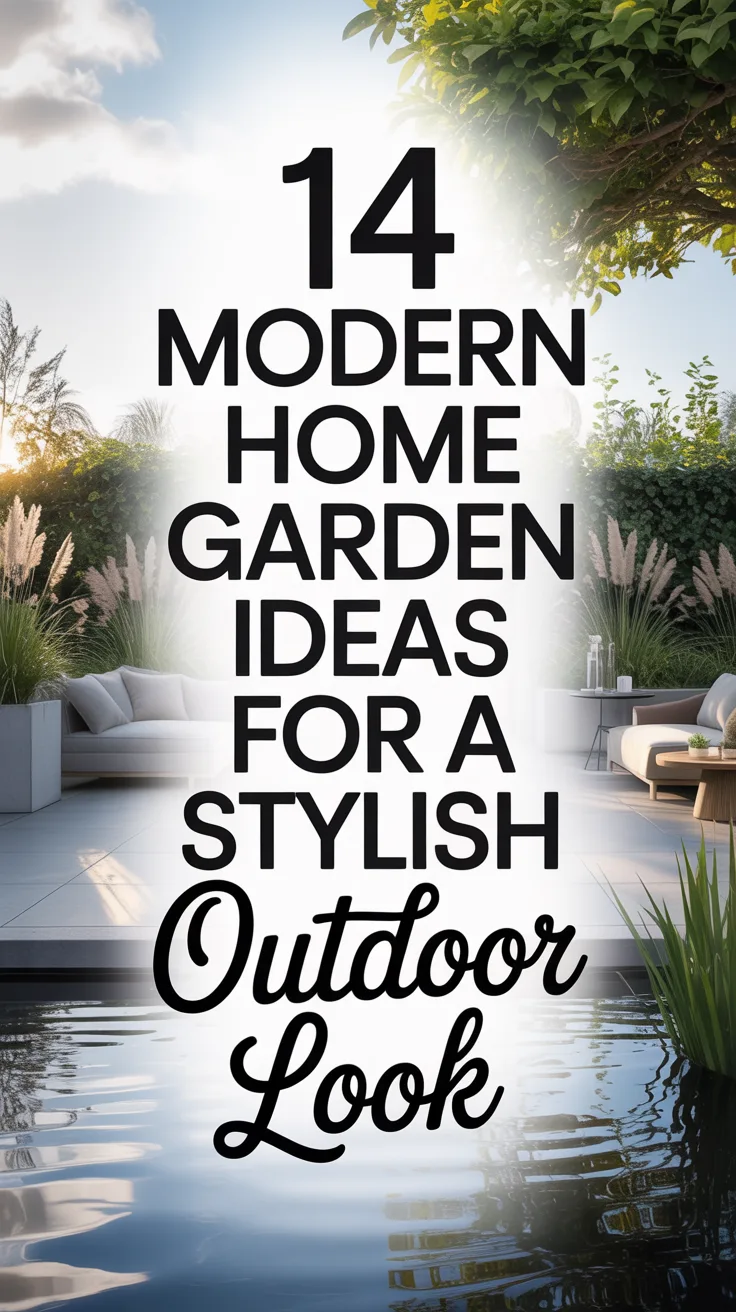
When I first moved into my home with a spacious backyard, I was overwhelmed by the possibilities. Should I go traditional with neat flower beds, or try something more contemporary? After months of research and some costly mistakes, I discovered that modern home garden ideas can transform an ordinary outdoor space into a stunning extension of your living area. Today, I’m sharing 14 stylish approaches that have worked wonders in my own garden and for my clients.
Modern gardens aren’t just about aesthetics—they blend form and function in ways that make your outdoor space more enjoyable and easier to maintain. Whether you have a sprawling yard or a tiny balcony, these ideas can be adapted to create your personal outdoor sanctuary.
Vertical Gardens
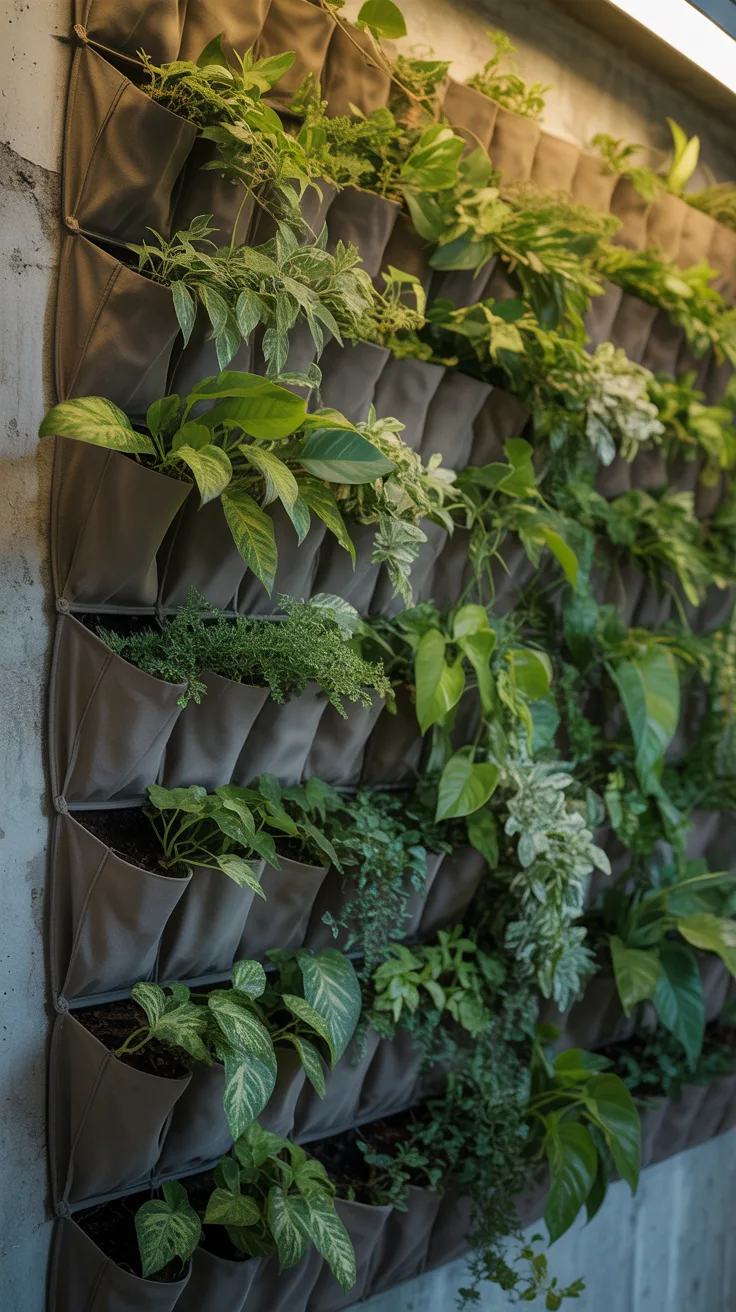
Vertical gardens were my saving grace when I moved to a home with limited outdoor space. These upward-growing installations maximize every square inch while creating stunning visual impact. I remember installing my first living wall system—it took a weekend of frustrating trial and error, but the result transformed a bland concrete wall into a lush tapestry of greenery.
Pro Tip: Start small with a modular system that allows you to expand gradually. My first attempt at a full wall failed because I bit off more than I could manage!
Here are some vertical garden approaches I’ve found success with:
- Pocket planters attached to walls or fences
- Trellises for climbing plants like jasmine or clematis
- Repurposed pallets transformed into herb gardens
- Hanging container systems with cascading plants
- Stackable planters that create a tower of greenery
The beauty of vertical gardens is their versatility—they work equally well in contemporary urban settings and more traditional spaces where you want to add a modern garden element without a complete redesign.
Minimalist Landscaping
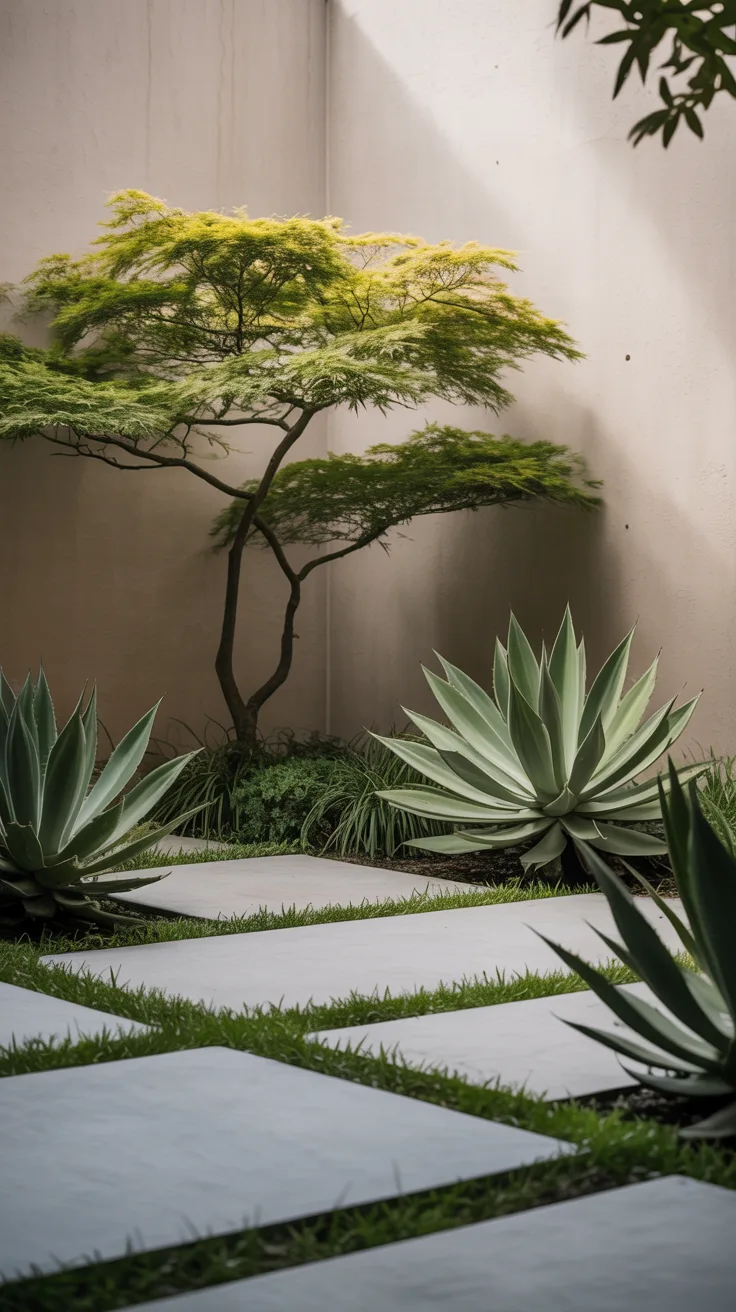
After years of maintaining an overstuffed garden that demanded constant attention, I embraced minimalist landscaping—and haven’t looked back. This approach focuses on “less is more,” using clean lines, limited plant varieties, and thoughtful spacing to create a sense of calm.
My minimalist garden features carefully selected specimen plants that stand as focal points against a backdrop of simple ground cover. The maintenance time has been cut in half, while the visual impact has doubled.
Pro Tip: Choose plants with interesting architectural shapes or foliage that look striking even when standing alone. My Japanese maple and sculptural agaves create year-round interest with minimal effort.
Hardscaping plays a crucial role in minimalist gardens. Consider concrete pavers with thin grass strips between them, or a zen-inspired gravel garden with strategically placed boulders. The contrast between hard and soft elements creates visual tension that’s incredibly satisfying.
Incorporating Water Features
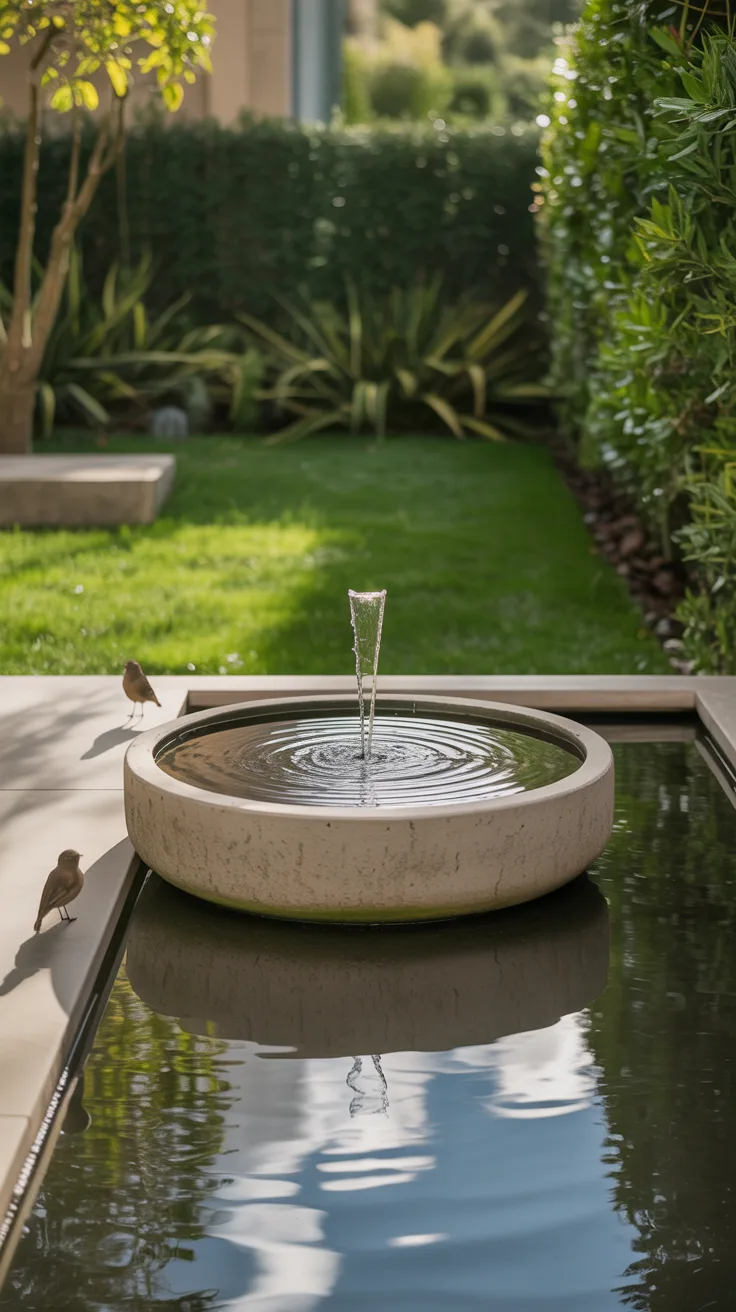
Adding a water feature was a game-changer for my garden. The gentle sound of flowing water masks urban noise and creates an instant sense of tranquility. Modern water features don’t have to be elaborate fountains—my simple concrete basin with a small bubbler transformed my patio into a peaceful retreat.
I’ve experimented with several water elements over the years:
Pro Tip: Install your water feature where you can enjoy it from indoors as well. The reflection of sky and surrounding plants doubles the visual impact, and I love watching birds visit for a drink or bath from my kitchen window.
For smaller spaces, consider wall-mounted water features that combine the benefits of vertical gardening with the soothing properties of water. These can be surprisingly affordable and easy to install, even for a DIY enthusiast like myself.
Use of Native Plants
One of my biggest gardening mistakes was filling my yard with exotic plants that struggled in our climate. When I switched to native species, everything changed. These plants have evolved to thrive in your local conditions, requiring less water, fertilizer, and pest control.
My native plant garden attracts butterflies, bees, and birds that I never saw before. The biodiversity has increased dramatically, and I spend more time enjoying my garden rather than nursing struggling plants.
Pro Tip: Visit local botanical gardens to see mature native plants in action before making your selections. What looks like a modest seedling at the nursery might grow into a magnificent specimen with the right conditions.
Native plants can still create a modern home garden look, especially when arranged in contemporary groupings or paired with architectural hardscaping. The juxtaposition of wild, natural plants against clean, modern lines creates a compelling visual story.
Outdoor Lighting Solutions
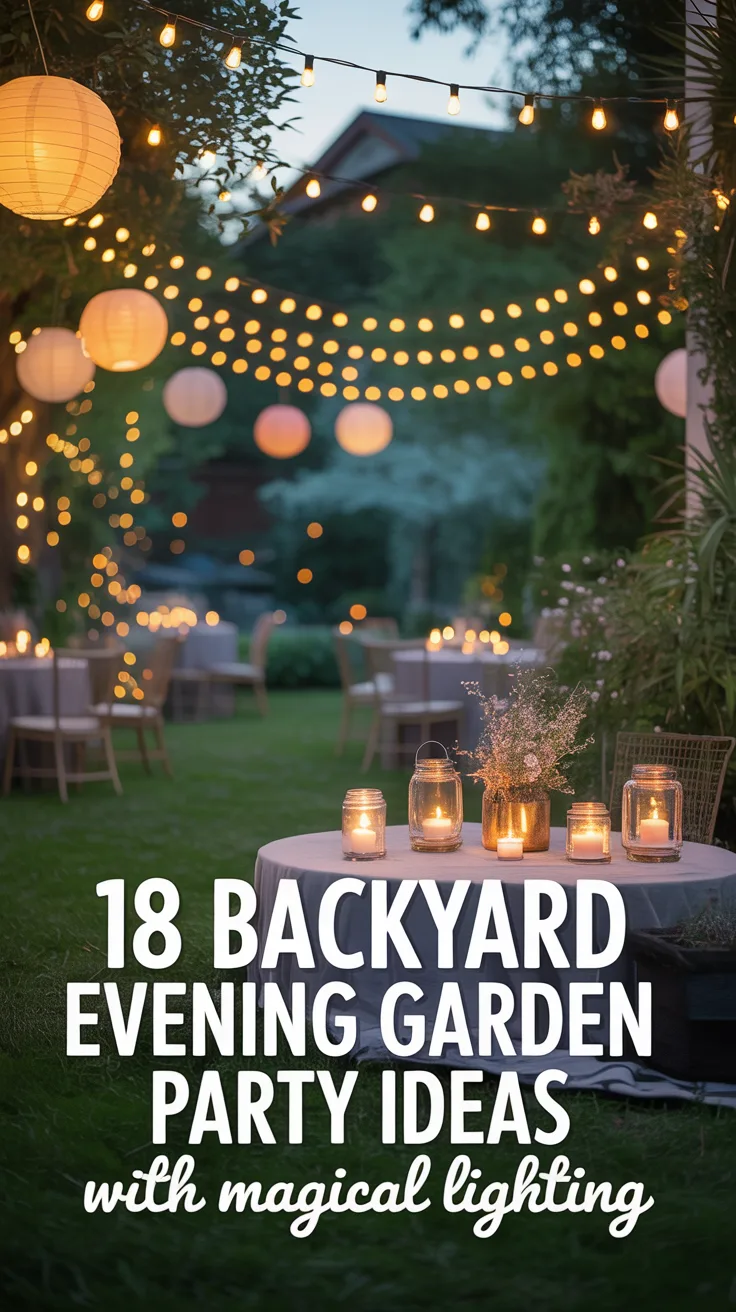
I used to think garden lighting was an unnecessary luxury—until I installed it and realized how much more I used my outdoor space. Modern lighting extends your enjoyment of the garden into the evening hours and transforms the nighttime appearance of your space.
Pro Tip: Layer your lighting just as you would indoors. Combine ambient, task, and accent lighting for a sophisticated effect that’s both functional and beautiful.
Here are my go-to lighting approaches for a modern garden:
- LED path lights that guide movement through the garden
- Uplighting to highlight specimen trees or architectural features
- Strip lighting under benches or steps for safety and ambiance
- Solar-powered accent lights that charge during the day
- Smart lighting systems that can be controlled from your phone
Remember that less is often more with garden lighting. I made the mistake of over-lighting initially, creating a harsh airport runway effect rather than the subtle moonlit glow I was aiming for.
Sustainable Garden Practices
Sustainability has become central to my gardening philosophy. Beyond being environmentally responsible, sustainable practices actually make gardening easier and less expensive over time.
My rainwater harvesting system collects water from my roof and stores it for dry periods. This not only reduces my water bill but also provides chemical-free water that my plants prefer to treated tap water.
Pro Tip: Create a designated area for composting garden and kitchen waste. My simple three-bin system produces rich soil amendment that has dramatically improved my garden’s health without spending a dime on fertilizers.
Consider permeable paving that allows rainwater to soak into the ground rather than running off into storm drains. This reduces erosion and helps replenish groundwater supplies. I replaced my solid concrete patio with permeable pavers, and the difference during heavy rains is remarkable.
Innovative Garden Furniture
Garden furniture has come a long way from the flimsy plastic chairs of my childhood. Today’s options combine durability with style, creating outdoor living spaces that truly feel like extensions of your home.
I invested in modular outdoor furniture that can be reconfigured for different occasions—from intimate dinners to larger gatherings. The pieces are constructed from weather-resistant materials that have maintained their appearance despite being left outdoors year-round.
Pro Tip: Look for dual-purpose furniture to maximize functionality in smaller spaces. My favorite bench opens to reveal storage for cushions and garden tools, while serving as comfortable seating.
Don’t be afraid to bring indoor style outdoors. Weather-resistant rugs, throw pillows, and even artwork designed for outdoor use can create a cohesive design that flows from your interior to your modern home garden.
Smart Garden Technology
As someone who travels frequently, smart garden technology has been revolutionary for maintaining my garden. Automated systems take the guesswork out of watering and maintenance, ensuring plants thrive even when I’m away.
Pro Tip: Start with a simple smart irrigation controller that adjusts watering based on weather forecasts. This single upgrade saved me money on water bills and prevented both under and overwatering issues.
Here are smart technologies I’ve successfully incorporated:
- Soil moisture sensors that trigger irrigation only when needed
- Weather-responsive sprinkler systems that skip watering when rain is forecast
- App-controlled lighting that can be adjusted from anywhere
- Robotic lawn mowers that maintain perfect grass height automatically
- Plant monitors that send alerts about light, moisture, and nutrient needs
While the initial investment in smart technology can seem steep, I’ve found the water savings and plant health benefits quickly offset the costs, not to mention the peace of mind when I’m away from home.
Frequently Asked Questions
What are some low-maintenance plants for a modern garden?
For a sleek, low-maintenance garden, I recommend ornamental grasses like Miscanthus and Pennisetum, architectural succulents such as Agave and Aloe, and evergreen shrubs like Buxus and Pittosporum. These plants provide year-round structure with minimal care requirements. In my own garden, ornamental grasses have been particularly successful, offering movement and texture through all four seasons.
How can I make my garden more sustainable?
Start by collecting rainwater, composting garden waste, and choosing native plants adapted to your local climate. Reduce lawn areas in favor of diverse plantings that support wildlife. I transformed half my lawn into a native meadow, which not only reduced water usage by 60% but also brought an amazing variety of butterflies and birds to my garden.
What are the latest trends in garden furniture?
The trend is moving toward multi-functional, modular pieces made from sustainable materials. Look for recycled plastics, FSC-certified woods, and powder-coated metals that withstand the elements. Indoor-outdoor fabrics have also improved dramatically—my outdoor sofa features performance fabrics that have remained vibrant despite three years of sun exposure.
How do I incorporate smart technology into my garden?
Begin with a smart irrigation controller, which offers the biggest immediate benefit. From there, consider adding soil moisture sensors, weather stations, and app-controlled lighting. Start small and expand as you become comfortable with the technology. My biggest learning curve was with system integration, so I recommend choosing products that work with the same platform when possible.
What are the benefits of using native plants?
Native plants require less water, fertilizer, and pesticides because they’re adapted to local conditions. They also support local wildlife, including important pollinators. In my experience, native plants establish more quickly and show greater resilience during extreme weather events. My non-native hydrangeas struggled during a drought, while the native salvias and penstemons continued to thrive with minimal irrigation.