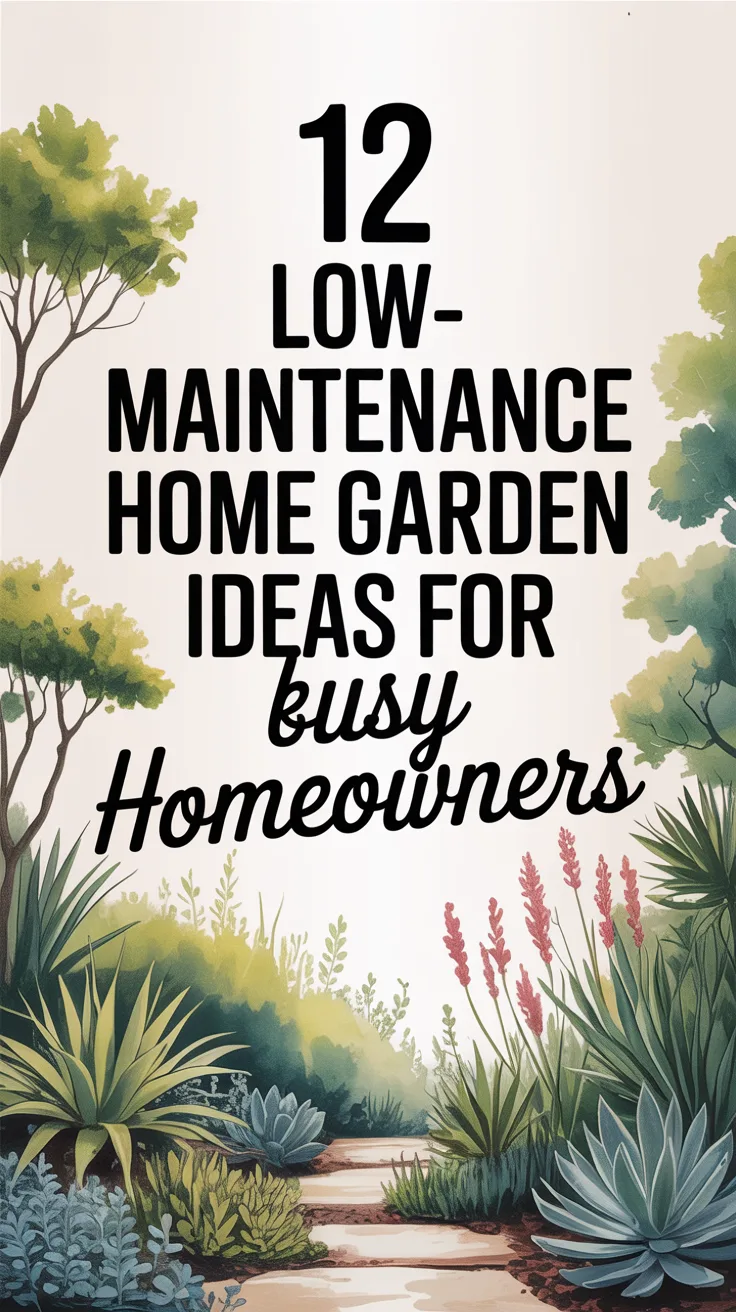

Introduction to Low-Maintenance Gardening
Let me be honest with you—I used to kill every plant I touched. Between my demanding job, family responsibilities, and the occasional weekend getaway, my garden looked more like a graveyard than a sanctuary. That all changed when I discovered the magic of low-maintenance home garden ideas.
Creating a garden that thrives without constant attention isn’t just a dream; it’s absolutely achievable. I’ve spent the last five years experimenting, failing, and finally succeeding at building a beautiful outdoor space that doesn’t demand my every waking moment. The secret? Working smarter, not harder, and choosing plants and designs that practically take care of themselves.
Whether you’re a busy professional, a parent juggling multiple responsibilities, or simply someone who’d rather enjoy their garden than slave over it, these twelve ideas will transform your outdoor space into a low-effort paradise.
1. Choose Native Plants
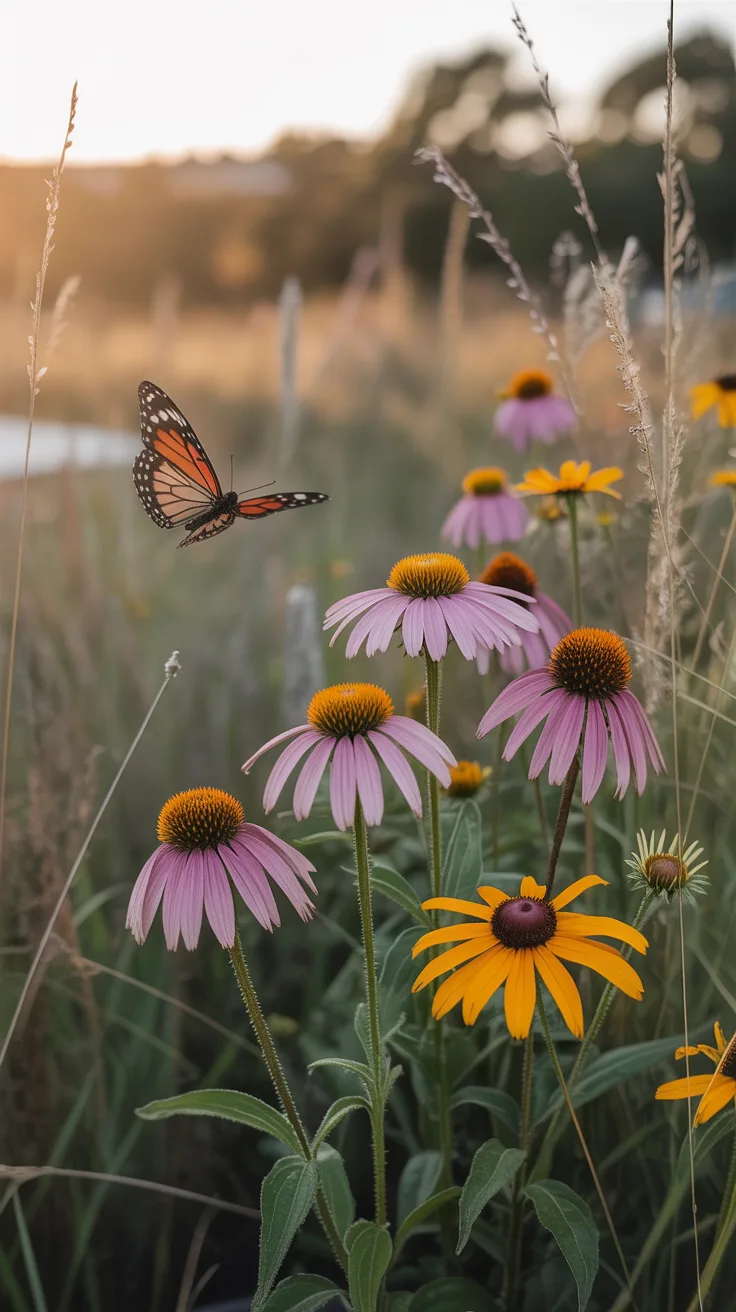
This was my biggest game-changer. Native plants have evolved over thousands of years to thrive in your specific climate, soil, and weather conditions. They’ve already figured out how to survive—you just need to give them a spot to grow.
When I switched from exotic flowers to native species, my watering schedule dropped from daily to weekly. My local coneflowers, black-eyed Susans, and native grasses practically laugh at drought conditions that would devastate imported varieties.
- Native plants attract local pollinators and beneficial insects
- They require significantly less fertilizer and pesticides
- Root systems are better adapted to local soil conditions
- They’re more resistant to regional pests and diseases
Pro Tip: Visit your local extension office or native plant society—they often have lists of plants specific to your zip code and sometimes offer free seeds or cuttings.
2. Implement Mulching
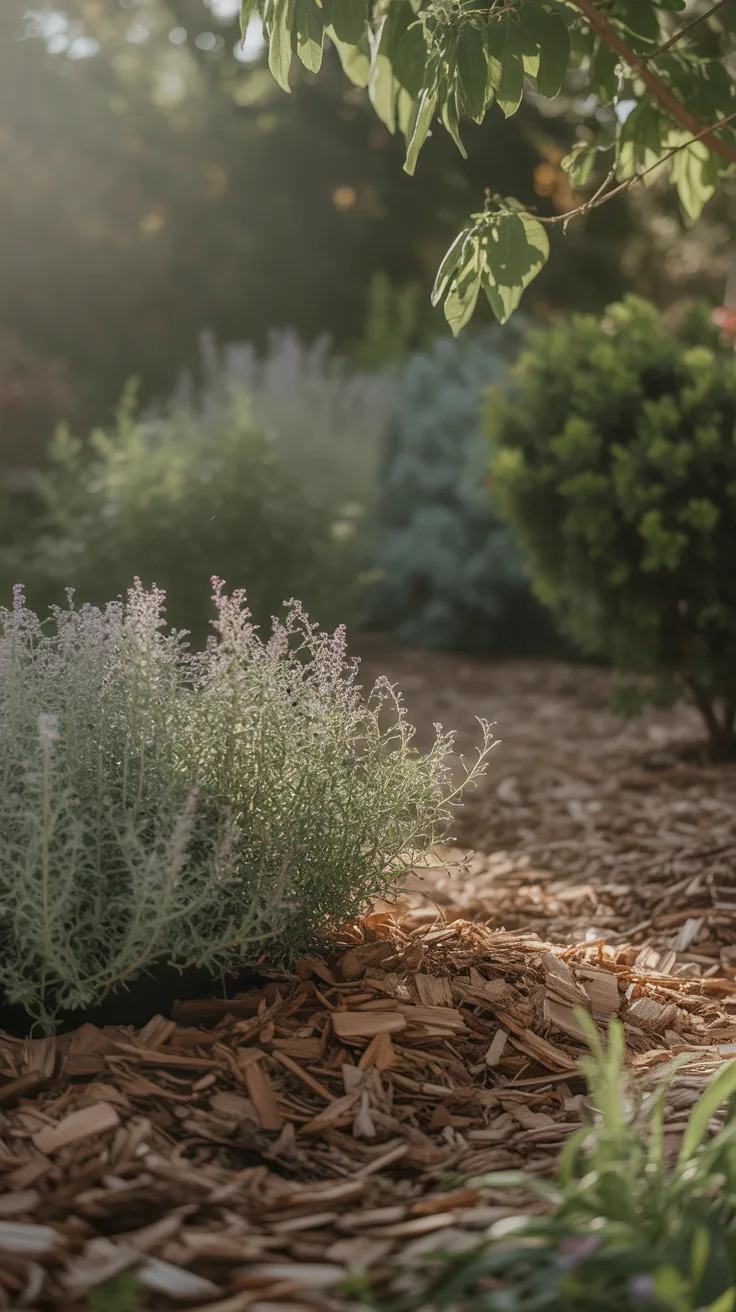
If I could only give one piece of advice to new gardeners, it would be this: mulch everything. I learned this lesson the hard way after spending an entire summer battling weeds that seemed to multiply overnight.
A good 2-3 inch layer of organic mulch does the heavy lifting for you. It suppresses weeds, retains moisture, regulates soil temperature, and slowly breaks down to feed your plants. I use wood chips from a local tree service—they’re often free if you ask nicely.
- Reduces watering needs by up to 50%
- Prevents weed seeds from germinating
- Protects plant roots from temperature extremes
- Improves soil structure as it decomposes
3. Opt for Perennials
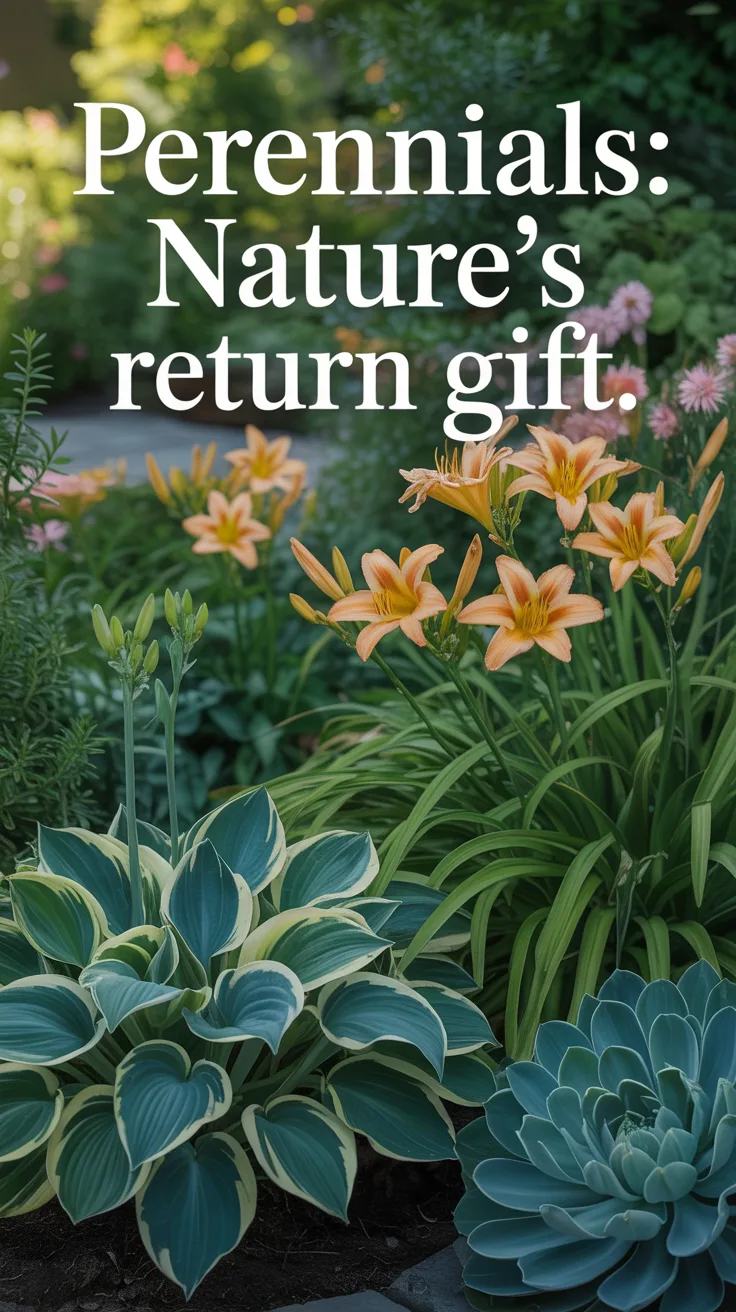
I used to spend hundreds of dollars every spring on annual flowers, only to watch them die at the first frost. Now, my garden is filled with perennials that return faithfully year after year, often bigger and more beautiful than before.
Perennials like hostas, daylilies, and sedum establish deep root systems that make them incredibly resilient. After the first year of establishment, they need minimal intervention from you.
Pro Tip: Divide your perennials every few years in early spring or fall—you’ll get free plants to expand your garden or share with neighbors.
4. Use Ground Covers
Ground covers are the unsung heroes of low-maintenance home garden ideas. These spreading plants fill in gaps, choke out weeds, and create a lush carpet that requires almost no attention once established.
I replaced a problematic slope in my backyard with creeping thyme, and it’s been one of my best decisions. It smells amazing when you walk on it, blooms with tiny purple flowers, and hasn’t needed mowing or watering in three years.
- Creeping thyme—fragrant and drought-tolerant
- Ajuga—thrives in shade and spreads quickly
- Sedum—perfect for sunny, dry areas
- Pachysandra—excellent for deep shade
5. Install Drip Irrigation
Installing a drip irrigation system was intimidating at first, but it turned out to be surprisingly simple and absolutely worth the effort. Now, my garden waters itself while I’m at work or even on vacation.
Drip irrigation delivers water directly to plant roots, which means less evaporation, fewer weeds (since you’re not watering empty soil), and healthier plants. I connected mine to a simple timer, and my involvement dropped to checking the system once a month.
Pro Tip: Start with a basic drip kit from your local hardware store—most cost under $50 and can be installed in an afternoon without any plumbing experience.
6. Create a Rock Garden
Rock gardens are perfect for those tricky spots where nothing seems to grow—steep slopes, areas with poor soil, or spots that get scorching afternoon sun. I created one in a neglected corner of my yard, and it’s now one of my favorite features.
The key is combining different sizes and shapes of rocks with drought-tolerant plants like sedums, hens-and-chicks, and ornamental grasses. Once established, rock gardens need almost zero maintenance.
- No mowing or edging required
- Excellent drainage prevents root rot
- Rocks absorb heat during the day and release it at night
- Year-round visual interest with minimal effort
7. Incorporate Succulents
Succulents are practically indestructible, which makes them perfect for forgetful gardeners like myself. These water-storing wonders can survive weeks without attention and come in an incredible variety of colors, shapes, and textures.
I keep a collection of succulents on my patio in decorative containers. They’ve survived heat waves, my two-week vacation, and even my teenager’s attempt at “helping” with the garden.
8. Use Raised Beds
Raised beds changed my gardening life. They offer better drainage, fewer weeds, improved soil quality, and—perhaps most importantly—they’re easier on your back and knees.
I built three raised beds from cedar planks five years ago, and they’re still going strong. The controlled environment means I can fill them with perfect soil from the start, avoiding the clay nightmare that exists in my natural yard.
Pro Tip: Make your raised beds no wider than 4 feet so you can reach the center from either side without stepping on the soil.
9. Plant Herbs
Herbs are the ultimate low-maintenance, high-reward garden addition. Most Mediterranean herbs like rosemary, thyme, oregano, and sage actually prefer neglect—they thrive in poor soil and hate being overwatered.
I have a small herb garden near my kitchen door, and it provides fresh flavors for cooking while requiring almost nothing from me. Plus, many herbs are natural pest repellents, protecting nearby plants.
10. Minimize Lawn Areas
Here’s a controversial opinion: lawns are overrated. They demand constant mowing, watering, fertilizing, and weeding. I’ve gradually reduced my lawn by about 60%, replacing it with native plantings, ground covers, and mulched beds.
The result? My water bill dropped, my weekends freed up, and my yard actually looks more interesting and inviting than the monotonous green carpet it used to be.
11. Select Low-Maintenance Trees
The right tree can provide shade, beauty, and wildlife habitat with minimal care. The wrong tree can mean constant cleanup, aggressive roots, and endless pruning.
- Japanese maple—slow-growing with minimal debris
- Crape myrtle—drought-tolerant with beautiful blooms
- Eastern redbud—native, compact, and low-maintenance
- Serviceberry—provides food for birds with little mess
12. Use Decorative Pots for Your Low-Maintenance Home Garden Ideas
Container gardening offers flexibility that in-ground planting simply can’t match. You can move pots to follow the sun, bring them indoors during extreme weather, and experiment with arrangements without committing to permanent plantings.
I use large decorative pots filled with low-maintenance plants like ornamental grasses, dwarf evergreens, and trailing succulents. They add instant style to my patio with minimal ongoing care.
Pro Tip: Choose pots with drainage holes and use a quality potting mix—proper drainage is the secret to container gardening success.
Conclusion
Implementing these low-maintenance home garden ideas has genuinely transformed my relationship with my outdoor space. Instead of dreading weekend yard work, I actually look forward to spending time in my garden—usually with a cup of coffee in hand, simply enjoying what I’ve created.
Start small. Pick two or three ideas from this list and implement them this season. As you see success, gradually incorporate more low-maintenance strategies. Before you know it, you’ll have a beautiful garden that practically takes care of itself, leaving you free to actually enjoy it.
Frequently Asked Questions
What are the best low-maintenance plants for beginners?
Start with succulents, native grasses, and hardy perennials like lavender, coneflowers, or hostas. These plants are forgiving of beginner mistakes and establish quickly with minimal fuss.
How often should I water a low-maintenance garden?
Once established, most low-maintenance gardens need watering only once a week during dry periods. Native plants and drought-tolerant species may need even less. The key is deep, infrequent watering rather than shallow daily sprinkles.
Can I have a low-maintenance garden in a small space?
Absolutely! Small spaces are actually ideal for low-maintenance gardening. Use vertical planters, container gardens, and compact varieties of your favorite plants. Less space means less to maintain.
What are the common mistakes to avoid in low-maintenance gardening?
The biggest mistakes include overwatering, choosing plants unsuited to your climate, skipping mulch, and planting too densely. Also, avoid the temptation to over-fertilize—many low-maintenance plants prefer lean soil.
How can I make my garden more sustainable?
Incorporate native plants, collect rainwater for irrigation, use organic mulches, compost your kitchen scraps, and avoid chemical pesticides. A sustainable garden is naturally lower maintenance because it works with nature rather than against it.