Introduction
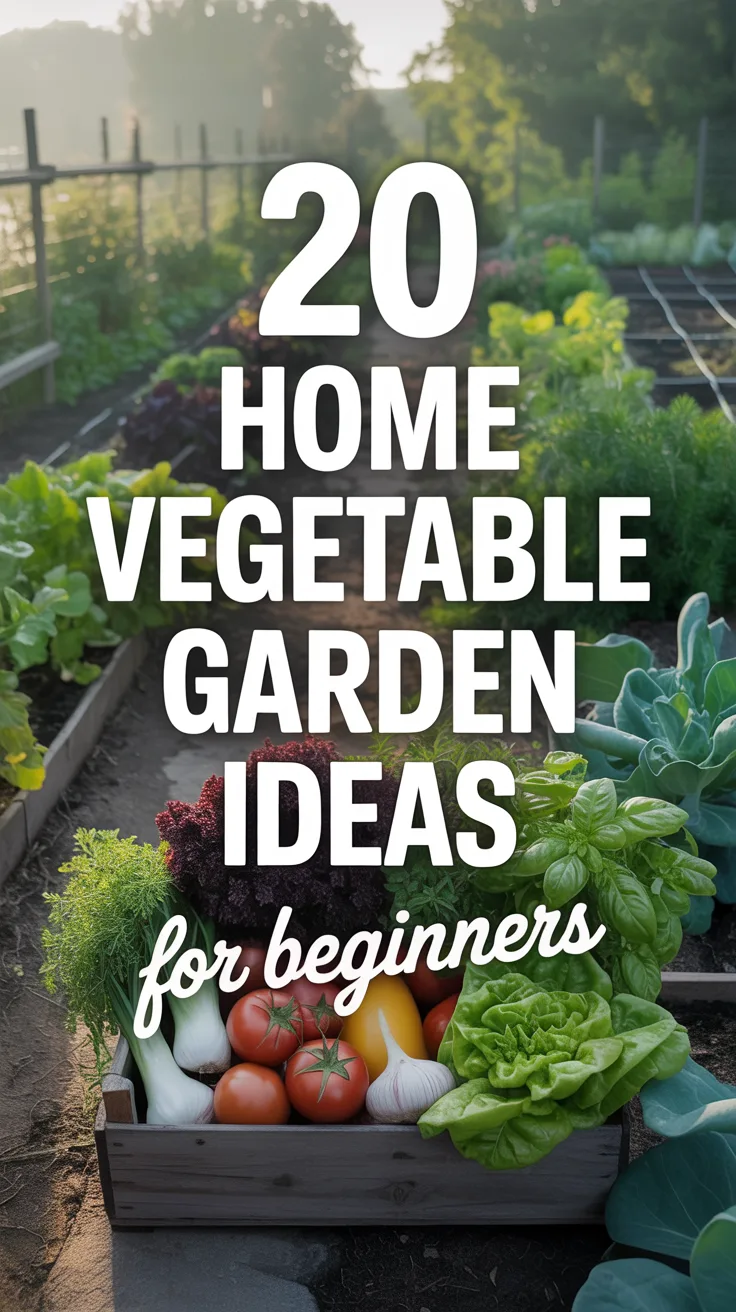
There’s something incredibly satisfying about plucking a ripe tomato from a plant you’ve nurtured from seed or harvesting crisp lettuce leaves for tonight’s dinner. I still remember my first attempt at growing vegetables—a disaster involving overwatered basil and an invasion of aphids! But those early failures taught me valuable lessons. If you’re considering starting your own home vegetable garden, you’re in for a rewarding journey that combines practicality with the simple joy of growing your own food. Whether you have acres of land or just a sunny windowsill, I’ve compiled 20 beginner-friendly ideas to help you create a thriving garden space.
Why Start a Home Vegetable Garden?
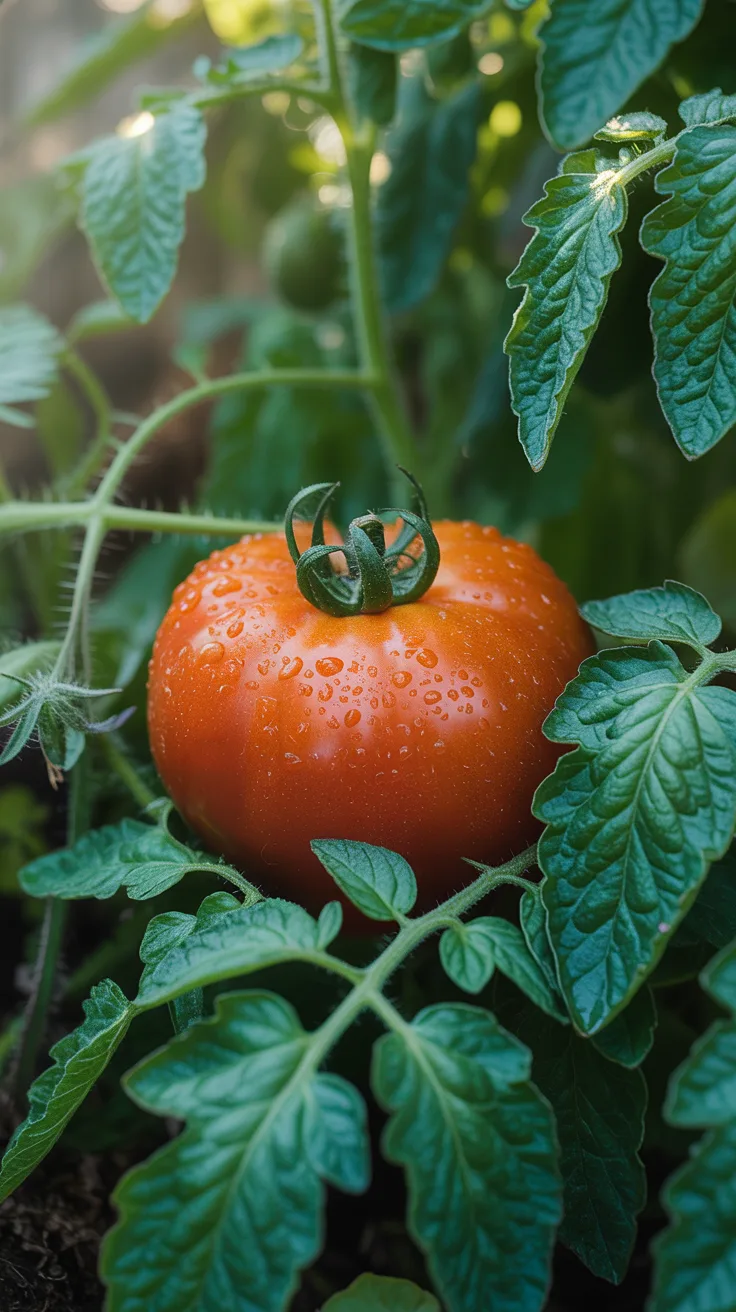
When I first bit into a tomato I’d grown myself, I was shocked at the difference in flavor compared to store-bought varieties. That moment converted me into a lifelong gardener. Beyond the superior taste, growing your own vegetables offers numerous benefits:
Fresh, organic produce is literally steps from your kitchen. You control what goes into your soil and onto your plants, eliminating concerns about pesticides or chemicals.
I’ve saved hundreds of dollars on my grocery bills since starting my garden. A single $3 tomato plant can yield pounds of fruit throughout the season.
There’s something deeply satisfying about the garden-to-table connection. My children have become much more excited about eating vegetables since they started helping in the garden.
Gardening gets you outside, moving your body, and connecting with nature. I’ve found it to be my most effective stress reliever after long workdays.
Pro Tip: Start small! My biggest mistake was trying to grow everything at once. Begin with 3-5 vegetables you love eating, then expand as you gain confidence.
Choosing the Right Location
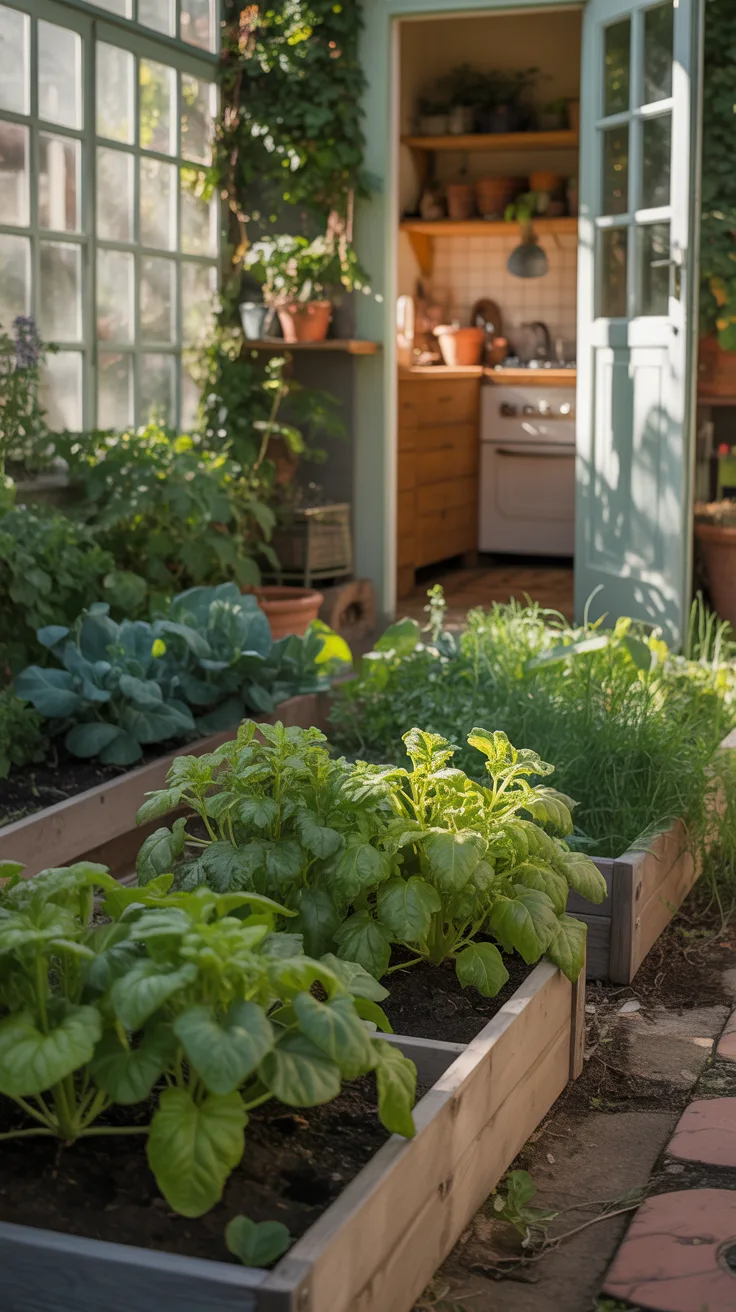
The success of your home vegetable garden largely depends on its location. I learned this the hard way after planting my first garden in a shady corner and wondering why nothing thrived.
Most vegetables need at least 6-8 hours of direct sunlight daily. I spend time observing my yard throughout the day before deciding where to place my garden beds. South-facing areas typically receive the most sun in the Northern Hemisphere.
Your garden should be easily accessible for watering, harvesting, and maintenance. I placed my first successful garden near my kitchen door, which meant I actually used the herbs and vegetables I grew.
Ensure good drainage by avoiding low-lying areas where water collects. If you’re dealing with clay soil like I was, raised beds can be a game-changer.
Consider proximity to water sources—dragging a heavy watering can across the yard quickly becomes tiresome (I learned this the hard way during a particularly hot summer).
Pro Tip: Not sure about sun exposure? Use a sun calculator app or simply observe your space every hour for a day, marking sunny spots on a simple yard map.
Essential Tools and Materials
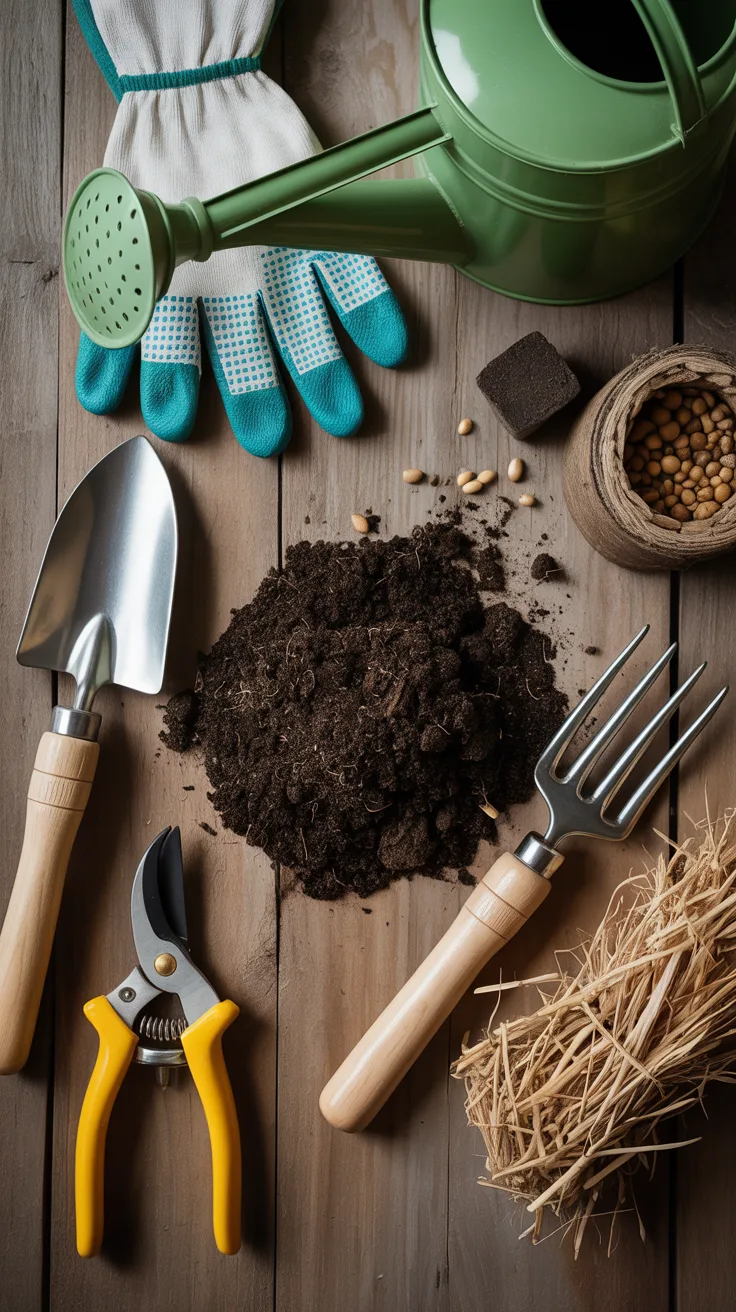
When I first started gardening, I went overboard buying every gadget available. Now I know better—you only need a few quality basics to get started:
- Hand trowel: My most-used tool for planting, transplanting, and weeding
- Garden gloves: Protect your hands from blisters, thorns, and soil
- Watering can or hose with adjustable nozzle: For gentle watering that won’t disturb seeds or young plants
- Garden fork or small shovel: For turning soil and larger digging tasks
- Pruning shears: For harvesting and trimming plants
- Quality soil: I use a mix of topsoil, compost, and vermiculite for excellent drainage and nutrition
- Seeds or seedlings: Starting with seedlings gives beginners a head start
- Mulch: Helps retain moisture and suppress weeds (I use straw or wood chips)
- Plant markers: Trust me, you’ll forget what you planted where!
Pro Tip: Invest in ergonomic tools with comfortable grips if possible. My wrists thank me after long gardening sessions since I upgraded from cheap plastic tools to quality ones with padded handles.
Top 20 Vegetable Garden Ideas
After years of experimenting with different home vegetable garden approaches, I’ve compiled my favorite beginner-friendly ideas:
- Raised bed garden: My first successful garden was a 4×4 raised bed that produced more lettuce than I could eat
- Straw bale gardening: A no-dig method where plants grow directly in conditioned straw bales
- Keyhole garden: A raised circular bed with a compost center that continuously feeds plants
- Square foot gardening: Dividing growing space into 1-foot squares for maximum efficiency
- Lasagna gardening: Layering organic materials to create rich soil without digging
- Herb spiral: A beautiful vertical structure that creates different microclimates for herbs
- Salad bowl garden: A dedicated space for quick-growing greens for daily harvesting
- Three sisters garden: The Native American technique of planting corn, beans, and squash together
- Pizza garden: Growing all the toppings for homemade pizza (my kids’ favorite)
- Salsa garden: Tomatoes, peppers, onions, and cilantro grouped together
- Rainbow garden: Organizing vegetables by color for visual appeal and education
- Pollinator-friendly vegetable garden: Interspersing flowers to attract beneficial insects
- Edible landscape: Incorporating vegetables into ornamental beds
- Windowsill garden: Perfect for herbs and microgreens in limited spaces
- Self-watering container garden: Using containers with water reservoirs for busy gardeners
- Stacked pot garden: Creating vertical interest with stacked containers
- Pallet garden: Upcycling wooden pallets into vertical growing spaces
- Gutter garden: Mounting rain gutters to walls or fences for shallow-rooted crops
- Grow bag garden: Using fabric containers that promote healthy root systems
- Milk jug garden: Cutting plastic jugs to create mini-greenhouses for seedlings
Container Gardening
Container gardening revolutionized my growing capabilities when I lived in an apartment with only a small balcony. Almost any vegetable can grow in containers with the right conditions.
The beauty of container gardening is its flexibility—you can move pots to follow the sun, bring them indoors during extreme weather, and place them wherever you have space. I’ve grown tomatoes on my front steps, peppers on my patio table, and herbs on my kitchen windowsill.
For successful container gardening:
Choose containers at least 12 inches deep for most vegetables. My cherry tomatoes thrive in 5-gallon buckets with drainage holes drilled in the bottom.
Use high-quality potting mix specifically formulated for containers, not garden soil which compacts too easily.
Remember that containers dry out faster than ground soil. During summer heat waves, I sometimes water twice daily.
Pro Tip: Add a layer of mulch on top of the soil in containers to reduce water evaporation. This simple trick cut my watering needs nearly in half during hot weather.
Vertical Gardening
Vertical gardening was a game-changer for my small backyard. By growing upward instead of outward, I tripled my growing space and created an impressive living wall of vegetables.
Climbing vegetables like cucumbers, pole beans, and peas naturally want to grow upward. Providing them with support through trellises, cages, or netting helps them thrive while saving ground space. My cucumber yield doubled when I started growing them vertically instead of letting them sprawl.
Even plants that don’t naturally climb can be trained upward. I’ve successfully grown small melons on trellises by creating little hammocks from old t-shirts to support the fruit as it develops.
Vertical gardens also improve air circulation around plants, reducing fungal diseases that plagued my garden when everything was crowded together at ground level.
Pro Tip: Install your vertical supports at planting time to avoid damaging roots later. I learned this lesson after trying to insert a tomato cage around an already-established plant and breaking several branches.
Caring for Your Vegetable Garden
Maintaining your home vegetable garden doesn’t need to be complicated. I’ve developed a simple routine that keeps my plants healthy without overwhelming my schedule:
Watering: Most vegetables need about 1-1.5 inches of water weekly. I water deeply but infrequently to encourage strong root development. Early morning watering reduces evaporation and keeps leaves dry, preventing fungal issues.
Feeding: I apply a balanced organic fertilizer about once a month during the growing season. Compost tea has been my secret weapon for giving plants a nutrient boost without harsh chemicals.
Weeding: Regular weeding prevents unwanted plants from competing with your vegetables. I spend 10 minutes daily pulling weeds rather than facing an overwhelming jungle once a month.
Mulching: A 2-3 inch layer of organic mulch around plants has dramatically reduced my weeding time while conserving soil moisture.
Pest management: I inspect plants weekly for signs of pests or disease. Introducing beneficial insects like ladybugs has helped control aphids naturally. For larger pests like cabbage moths, I use floating row covers.
Pro Tip: Keep a garden journal to track planting dates, harvest times, and any problems you encounter. My journal entries from previous years have helped me avoid repeating mistakes and time plantings more effectively.
Frequently Asked Questions
What vegetables are easiest to grow for beginners?
In my experience, the most foolproof vegetables for beginners include radishes (ready in just 3-4 weeks), lettuce, zucchini (one plant produces enough for an entire neighborhood), green beans, and cherry tomatoes. These vegetables are relatively pest-resistant and forgiving of beginner mistakes. I started with these five and gained confidence before tackling more challenging crops.
How much sunlight do vegetable gardens need?
Most vegetables need 6-8 hours of direct sunlight daily. However, I’ve successfully grown leafy greens like spinach, lettuce, and kale in areas that receive just