Introduction to Home Flower Gardens
There’s something magical about stepping into a yard filled with blooming flowers. I’ve always found that a well-designed flower garden transforms an ordinary outdoor space into a personal sanctuary. When I first bought my home, the yard was nothing but patchy grass and a few struggling shrubs. Today, it’s a colorful haven that brings me joy every time I look out my window.
Whether you’re working with a sprawling backyard or a modest patio, creating your own home flower garden offers countless benefits. Beyond the obvious aesthetic appeal, flower gardens attract beneficial pollinators, provide cutting flowers for indoor arrangements, and even boost your property value. Plus, I’ve found gardening to be incredibly therapeutic—there’s nothing quite like digging in the soil to clear my mind after a stressful day.
Let me share some ideas and lessons I’ve learned (sometimes the hard way!) to help you create a stunning flower garden that suits your style and space.
Choosing the Right Flowers for Your Garden
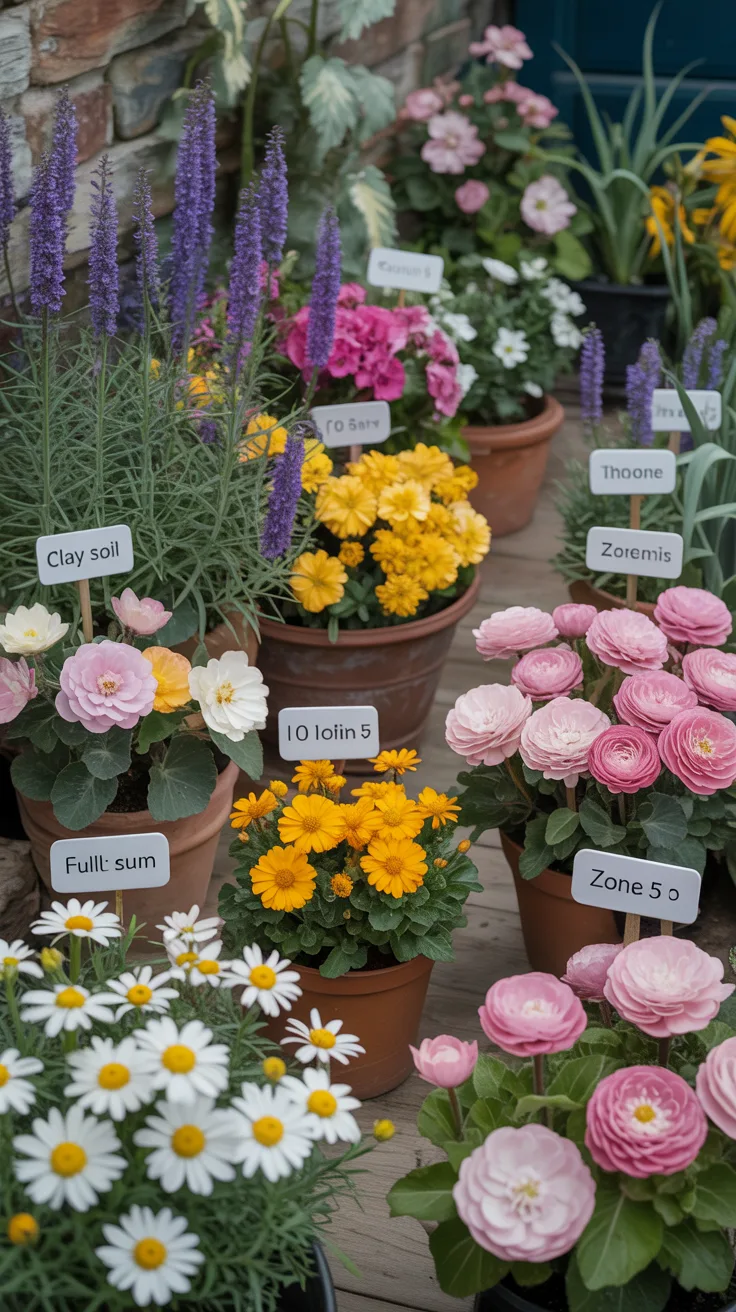
The first major mistake I made was choosing flowers based solely on what caught my eye at the garden center. Trust me, this approach leads to disappointment! Instead, I’ve learned to consider these key factors:
- Climate compatibility: Research your USDA hardiness zone and choose flowers that thrive in your region’s conditions.
- Sun exposure: Honestly assess how much sunlight different areas of your yard receive daily.
- Soil type: Test your soil to determine if it’s acidic, alkaline, clay-heavy, or sandy.
- Water requirements: Group plants with similar watering needs together to avoid over or under-watering.
- Bloom times: Plan for continuous color by selecting flowers that bloom in different seasons.
Pro Tip: I always mix perennials (which return year after year) with annuals (which complete their lifecycle in one season). Perennials provide structure and reliability, while annuals offer the flexibility to try new colors and varieties each year.
I once planted an entire bed of sun-loving zinnias in a shady corner of my yard. Needless to say, they grew spindly and produced few blooms. Learn from my mistakes and match your plant choices to your garden’s conditions!
Designing Your Flower Garden Layout
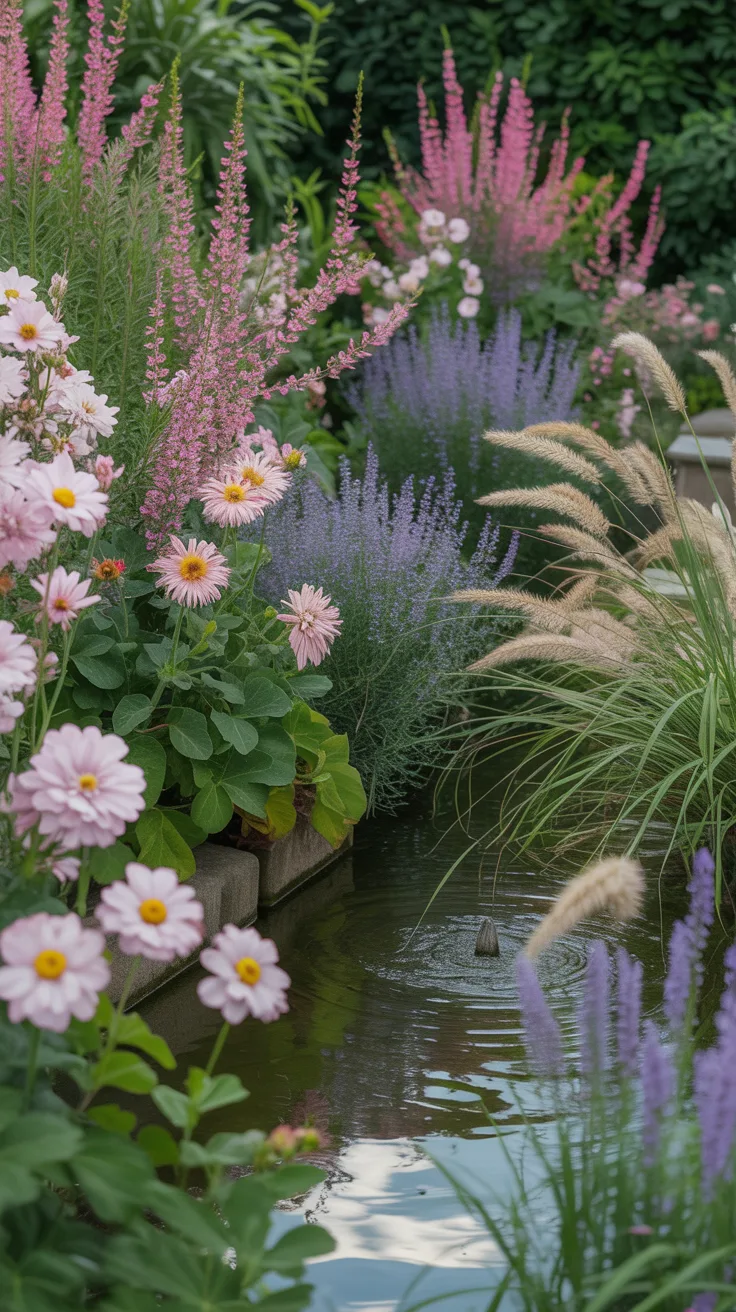
After several years of trial and error, I’ve found that thoughtful planning makes all the difference in creating a flower garden that looks intentional rather than chaotic.
- Create layers: Position taller plants at the back of beds, medium-height plants in the middle, and shorter varieties at the front.
- Consider color schemes: Choose complementary colors for drama or similar hues for a more harmonious look.
- Plan for movement: Include grasses or delicate flowers that sway in the breeze to add dynamic interest.
- Add structure: Incorporate evergreen shrubs or architectural plants to maintain visual appeal even when flowers aren’t blooming.
- Create focal points: Use distinctive plants, garden art, or water features to draw the eye.
I remember my first attempt at garden design—I spaced plants too far apart, creating a sparse, disconnected look. Now I follow the “thriller, filler, spiller” approach for containers and apply similar principles to my garden beds.
Pro Tip: Before digging, I arrange potted plants on the ground to visualize the layout. This simple step has saved me countless hours of transplanting!
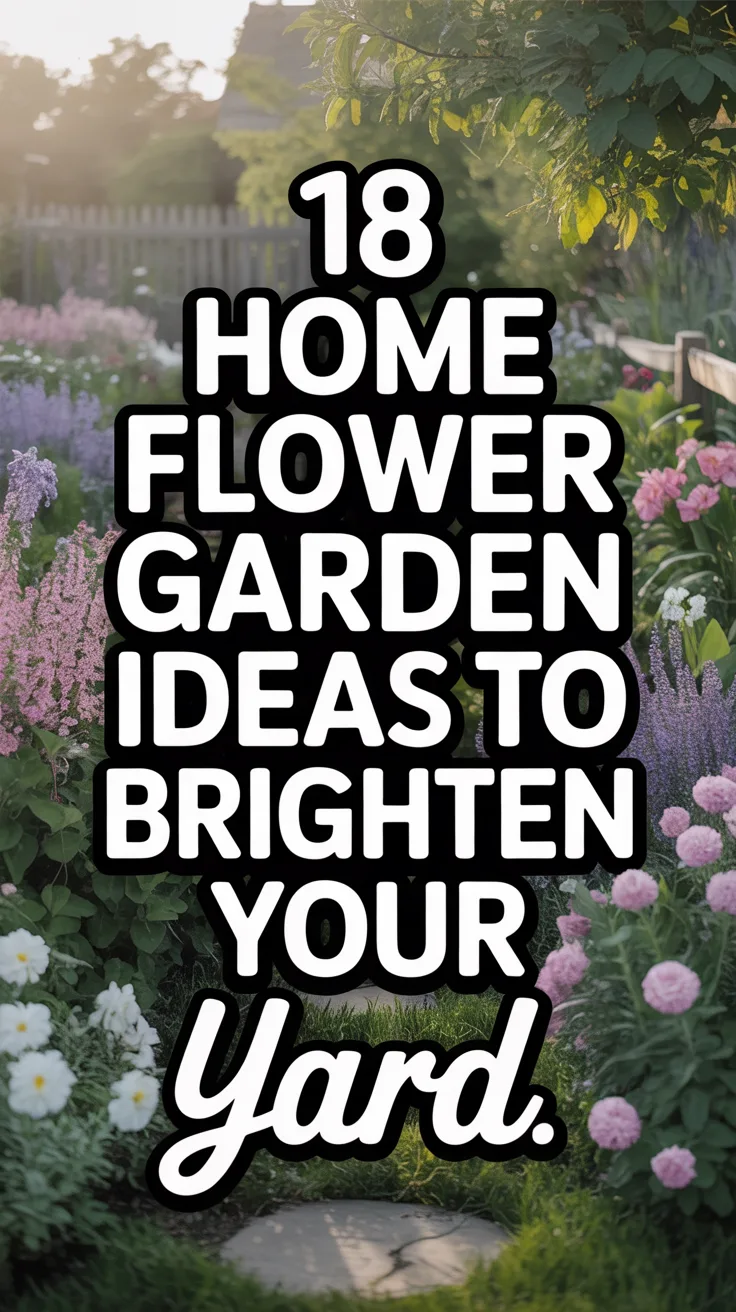
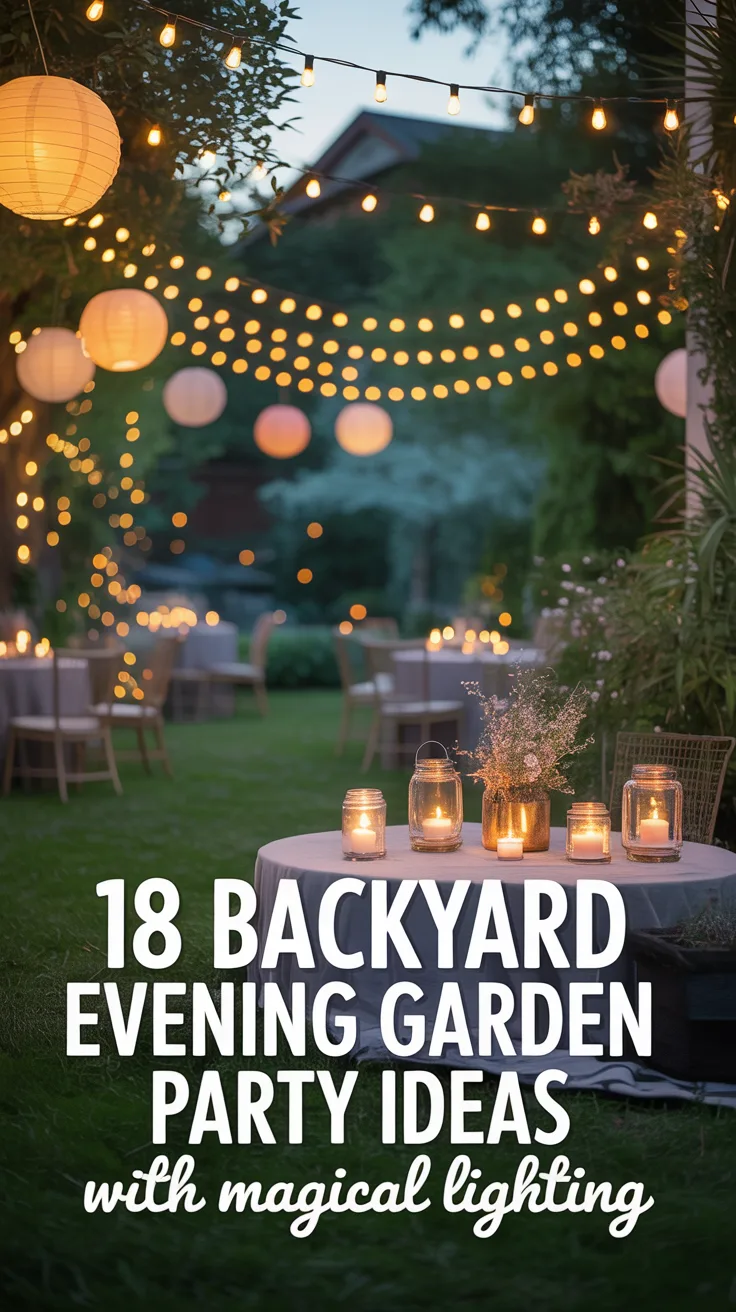
18 Inspiring Flower Garden Ideas
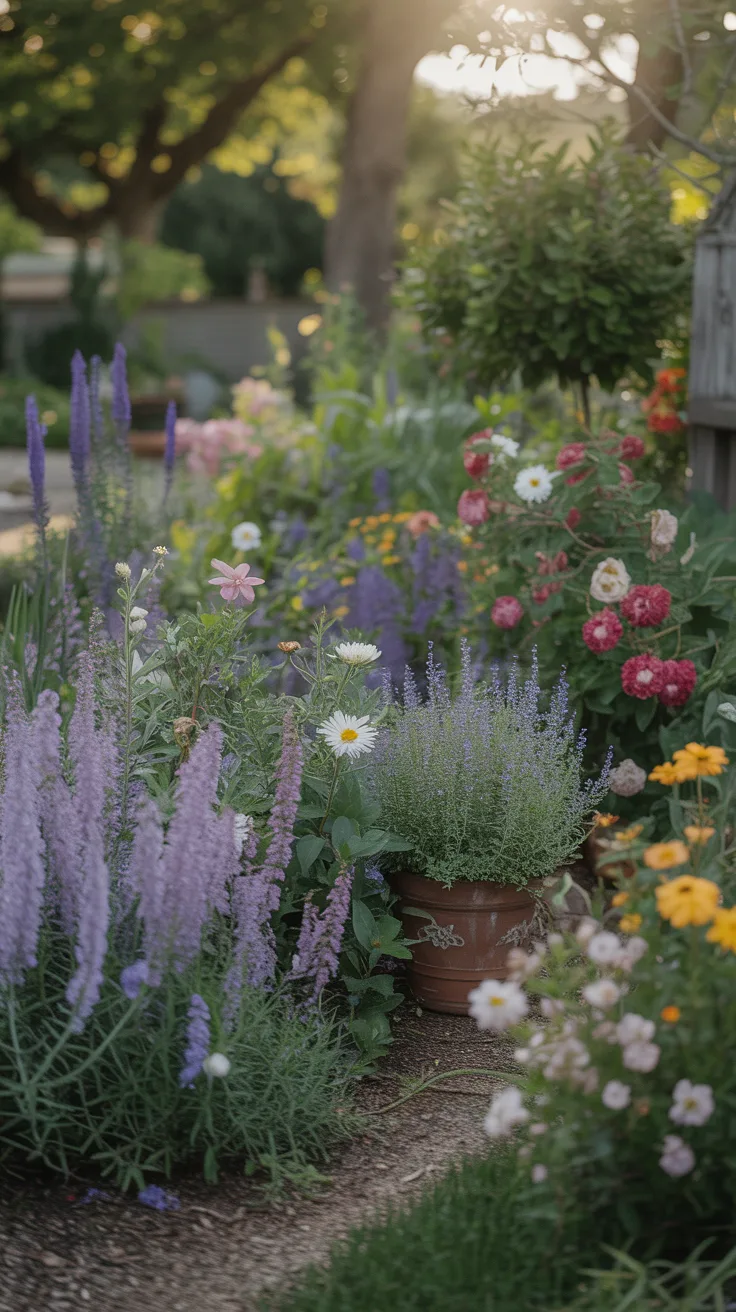
Looking for inspiration? Here are 18 home flower garden ideas I’ve either tried myself or admired in other gardens:
- Cottage garden: My personal favorite—an informal mix of perennials, annuals, and flowering shrubs that creates a romantic, abundant look.
- Butterfly garden: Plant nectar-rich flowers like coneflowers, butterfly bush, and milkweed to attract these beautiful pollinators.
- Cut flower garden: Dedicate a space to growing flowers specifically for indoor arrangements—zinnias, dahlias, and cosmos are excellent choices.
- Monochromatic garden: Choose flowers in varying shades of a single color for a sophisticated, cohesive look.
- Wildflower meadow: Transform a lawn area into a low-maintenance wildflower patch that supports local pollinators.
- Vertical garden: Maximize small spaces by growing climbing flowers like morning glories or clematis on trellises, walls, or fences.
- Container garden: Perfect for patios, balconies, or areas with poor soil—I use containers to add color to my concrete driveway.
- Rain garden: Direct rainwater runoff to a depression planted with moisture-loving flowers like irises and cardinal flowers.
- Shade garden: Brighten dark areas with shade-tolerant bloomers like astilbe, bleeding heart, and columbine.
- Rock garden: Combine drought-resistant flowers with decorative stones for a low-maintenance display.
- Fragrant garden: Plant aromatic flowers like lavender, roses, and lilacs near seating areas or windows.
- Edible flower garden: Grow beautiful blooms like nasturtiums, pansies, and borage that can also garnish your meals.
- Four-season garden: Select plants for year-round interest, including early spring bulbs, summer perennials, fall-blooming asters, and winter berries.
- Native plant garden: Incorporate flowers indigenous to your region for easy care and ecological benefits.
- Formal garden: Create symmetrical beds with clearly defined edges for a classic, structured look.
- Raised bed garden: Improve drainage and reduce weeding with elevated planting areas—I built mine using untreated cedar boards.
- Night garden: Feature white flowers and evening-bloomers like moonflower and evening primrose that glow in twilight.
- Therapeutic garden: Design a sensory experience with varied textures, scents, and colors to promote wellbeing.
Pro Tip: Start small! I made the mistake of trying to implement multiple garden ideas at once and quickly became overwhelmed. Choose one concept that excites you and expand gradually as you gain confidence.
Maintaining Your Flower Garden
Creating a beautiful flower garden is just the beginning—keeping it looking its best requires regular attention. Here’s what I’ve learned about effective garden maintenance:
- Watering wisely: Water deeply but infrequently to encourage strong root development. I water in the early morning to reduce evaporation and fungal issues.
- Mulching matters: Apply 2-3 inches of organic mulch to suppress weeds, retain moisture, and improve soil as it breaks down.
- Deadheading diligence: Remove spent blooms regularly to encourage more flowers and prevent self-seeding (unless that’s your goal).
- Strategic fertilizing: Apply a balanced, slow-release fertilizer in spring, but avoid over-fertilizing, which can lead to lush foliage at the expense of flowers.
- Seasonal cleanup: Cut back perennials in late fall or early spring, but consider leaving some seedheads for winter interest and bird food.
I once neglected deadheading my black-eyed Susans, only to find them sprouting everywhere the following year! While some self-seeding can be delightful, it’s best when intentional rather than accidental.
Pro Tip: Keep a garden journal to track what works and what doesn’t. I note planting dates, bloom times, and maintenance tasks, which helps me improve my garden year after year.
Conclusion
Creating a home flower garden is a journey, not a destination. My garden continues to evolve as I learn new techniques, discover favorite plants, and adapt to changing conditions. The occasional failures—plants that don’t thrive, color combinations that clash, or designs that don’t quite work—are all part of the learning process.
What matters most is the joy that comes from nurturing living things and creating beauty in your personal space. Whether you implement one of these 18 flower garden ideas or develop your own unique vision, the time you spend planning, planting, and tending will reward you with a vibrant outdoor sanctuary that nourishes both your home and your spirit.
I encourage you to start where you are, with whatever space and resources you have available. Even a single container of flowers on a doorstep can bring daily delight. Happy gardening!
Frequently Asked Questions
What are the best flowers for beginners?
As a beginner, I recommend starting with forgiving flowers like marigolds, zinnias, cosmos, sunflowers, and nasturtiums. These annuals grow quickly from seed, bloom abundantly, and don’t require special care. For perennials, try black-eyed Susans, coneflowers, daylilies, and sedum—they’re all relatively drought-tolerant and pest-resistant.
How often should I water my flower garden?
I’ve found that most established flower gardens need about 1-1.5 inches of water per week, either from rainfall or irrigation. Rather than frequent shallow watering, I water deeply once or twice weekly, which encourages deeper root growth. Container gardens and newly planted flowers need more frequent attention—I check them daily during hot weather.
What is the best time of year to plant a flower garden?
In my experience, spring and fall are ideal planting seasons. Spring planting (after the last frost) gives plants time to establish before summer heat, while fall planting (at least six weeks before the first frost) allows roots to develop before winter dormancy. I prefer fall for planting perennials and spring for annuals, but your specific climate may dictate different timing.
How can I prevent pests in my flower garden?
I’ve learned that prevention is easier than treatment! I maintain healthy soil, choose pest-resistant varieties, and practice crop rotation even in my flower beds. I also attract beneficial insects by planting diverse flowers and herbs. When problems arise, I start with the least toxic solutions—a strong spray of water for aphids or handpicking for larger pests—before considering organic pesticides.
Do I need to fertilize my flower garden regularly?
I fertilize my flower garden more sparingly than many gardeners recommend. I apply compost in spring and fall, and use a balanced, slow-release organic fertilizer once in early spring. Over-fertilizing can lead to lush foliage but fewer blooms, and may increase pest problems. If your soil is healthy and enriched with organic matter, your flowers may need less supplemental feeding than you think.