
Introduction
The humble garden shed has evolved far beyond a simple storage space for tools and equipment. Today, **garden shed designs** range from charming cottages to modern studios, offering both functionality and aesthetic appeal. I’ve spent years designing and building custom sheds, and I’m excited to share 14 creative designs that you can tackle yourself, regardless of your skill level. Each design offers unique benefits while adding character to your outdoor space. Whether you’re looking for extra storage, a quiet retreat, or a dedicated workspace, these DIY-friendly shed ideas will inspire your next backyard project.
1. Classic Cottage Shed: A Timeless Choice
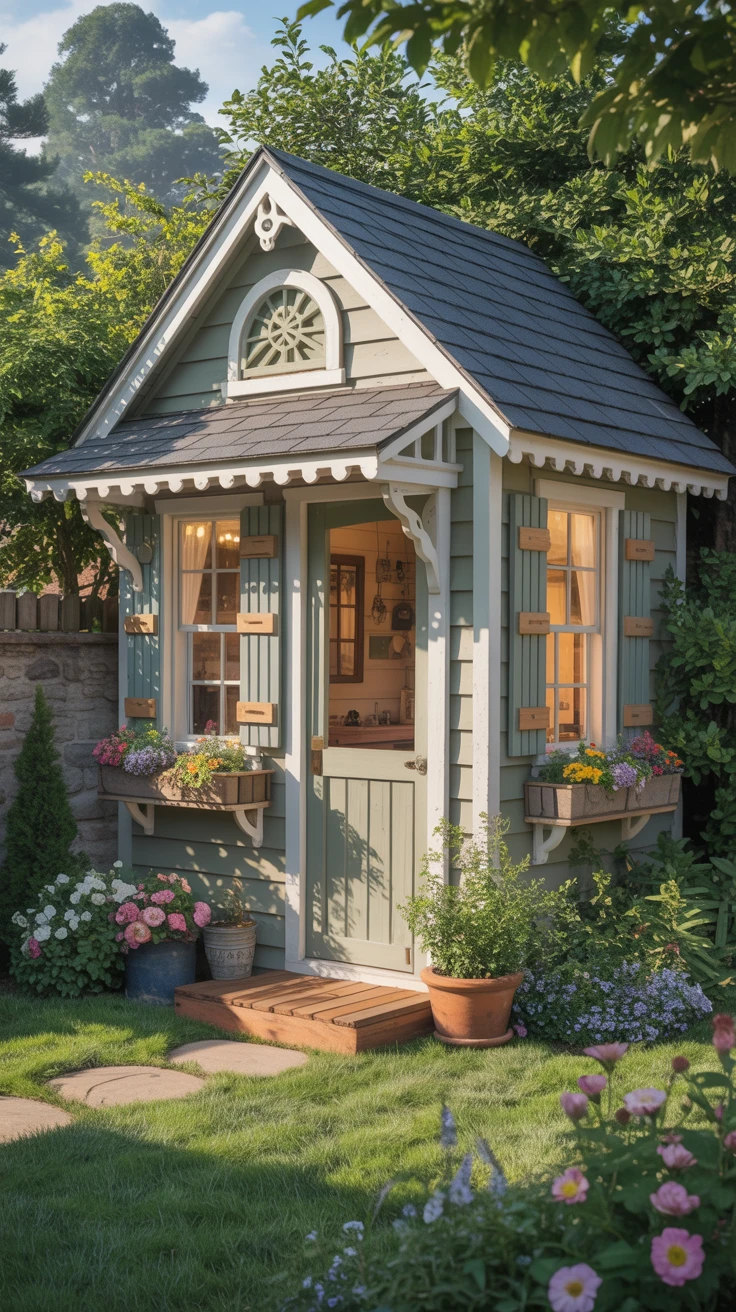
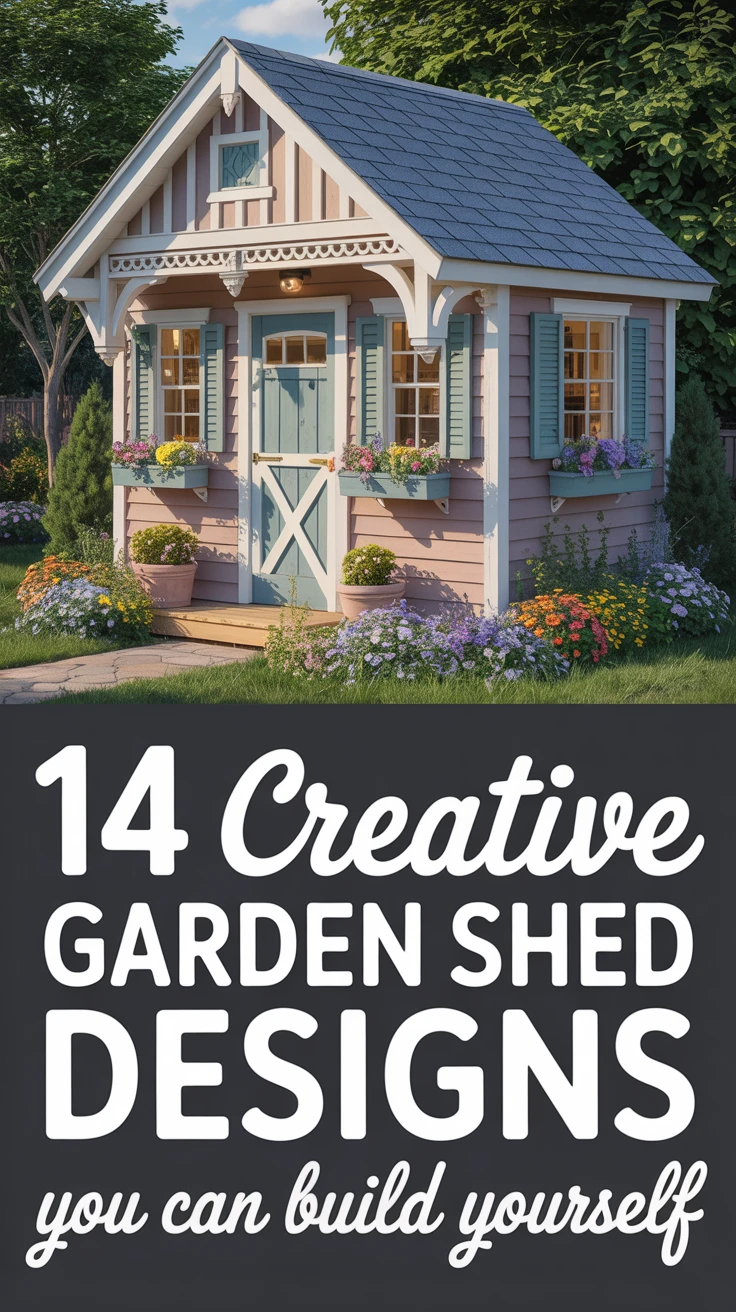
The cottage-style shed remains one of my all-time favorites for its timeless charm and versatility. When I built my first cottage shed, I was amazed at how a few decorative elements transformed a basic structure into a garden focal point.
Key features of a cottage-style shed include:
- Steep pitched roof with decorative trim
- Window boxes filled with seasonal flowers
- Decorative shutters on windows
- Dutch door or traditional entry with hardware accents
- Soft, inviting color palette (pastels work beautifully)
Pro Tip: Add a small covered porch with a decorative railing to enhance the cottage aesthetic while creating a functional transition space that stays dry during rain.
2. Minimalist Marvel: The Modern Shed
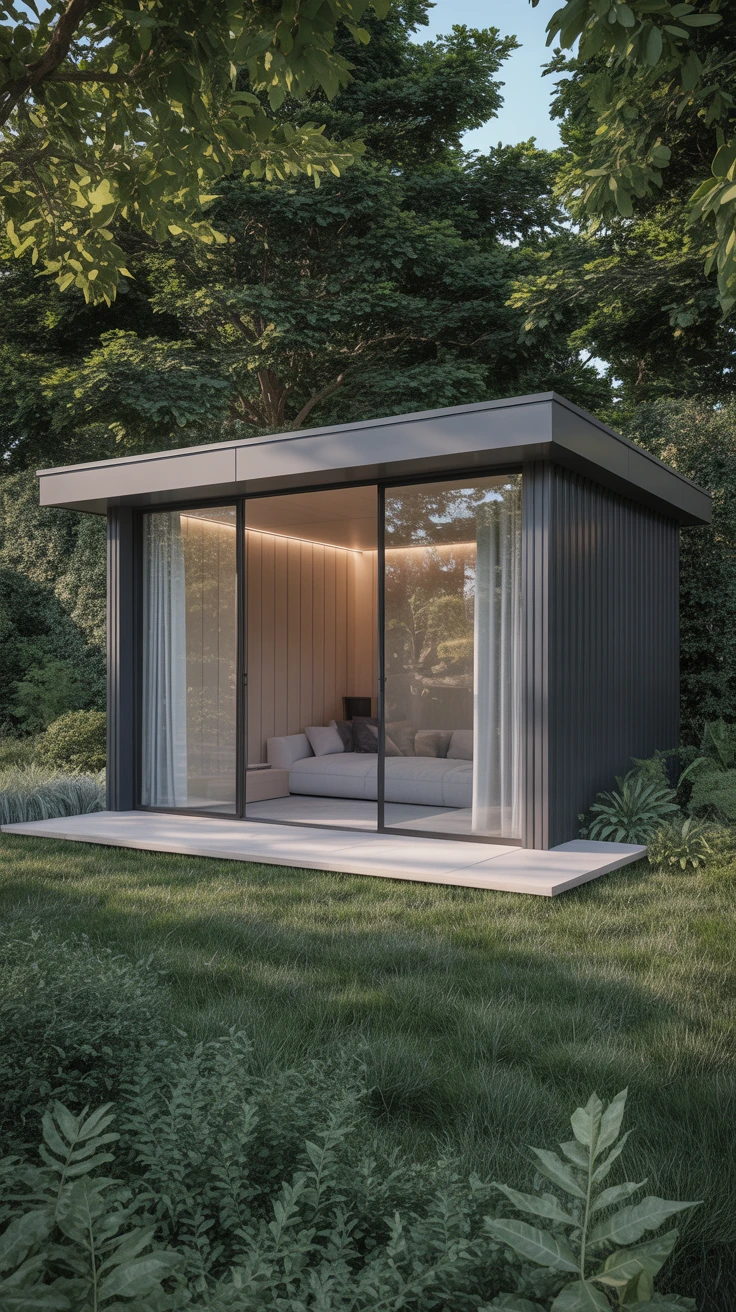
For those who prefer clean lines and contemporary aesthetics, the modern minimalist shed offers sleek sophistication. I once converted my cluttered garden shed into a minimalist design, and the transformation made my entire garden feel more organized.
Essential elements for a modern shed include:
- Flat or slightly sloped roof
- Large glass panels or windows
- Metal or composite siding materials
- Monochromatic color scheme (blacks, whites, grays)
- Hidden or recessed hardware
The beauty of modern designs lies in their simplicity. Focus on quality materials rather than ornate details for maximum impact.
3. Rusticity at its Best: The Barn-style Shed
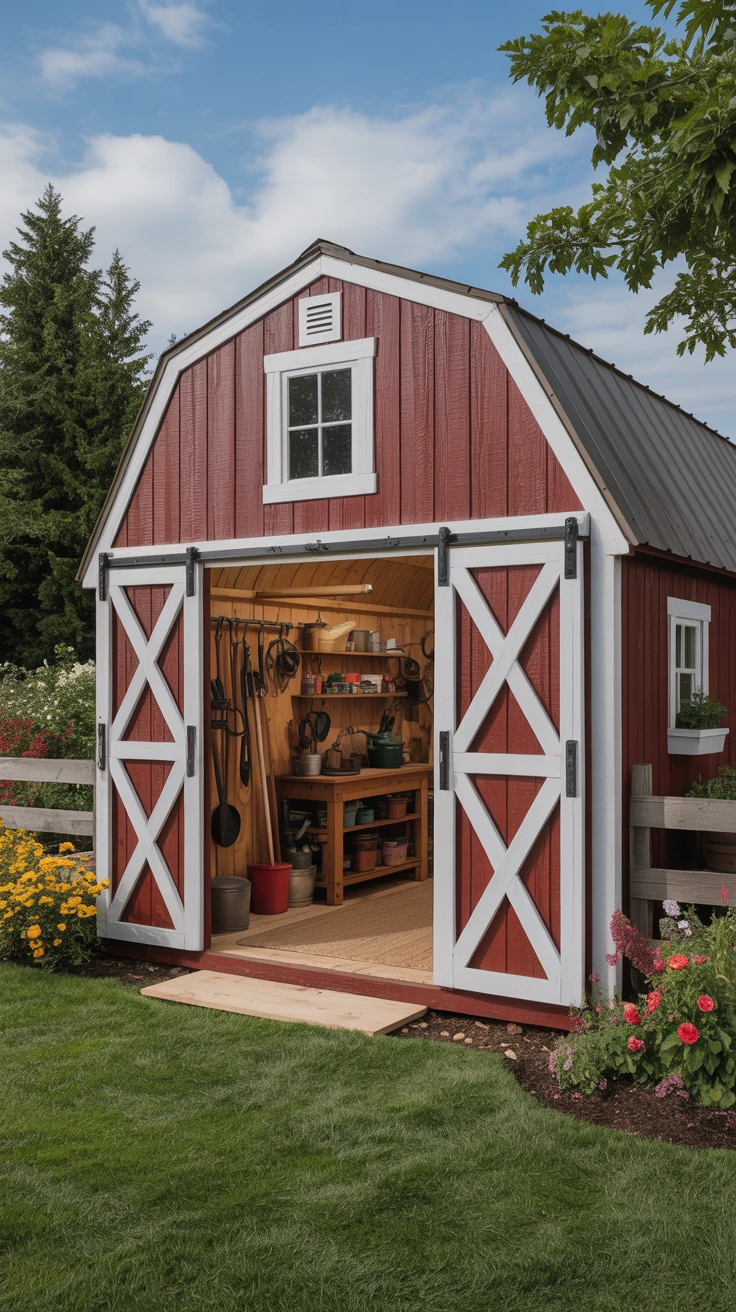
Barn-style sheds bring countryside charm to any garden. I’ve found that these structures work particularly well in larger spaces where their distinctive silhouette can be fully appreciated.
Key barn shed elements include:
- Gambrel (dual-slope) roof design
- Board and batten or horizontal lap siding
- Sliding barn doors on tracks
- Loft space for additional storage
- Traditional color schemes (classic red with white trim never fails)
Pro Tip: Install pulley systems in the loft area to easily raise and lower seasonal items, saving you from awkward ladder maneuvers—a lesson I learned the hard way after dropping holiday decorations one too many times!
4. Go Green: Eco-friendly Shed Designs
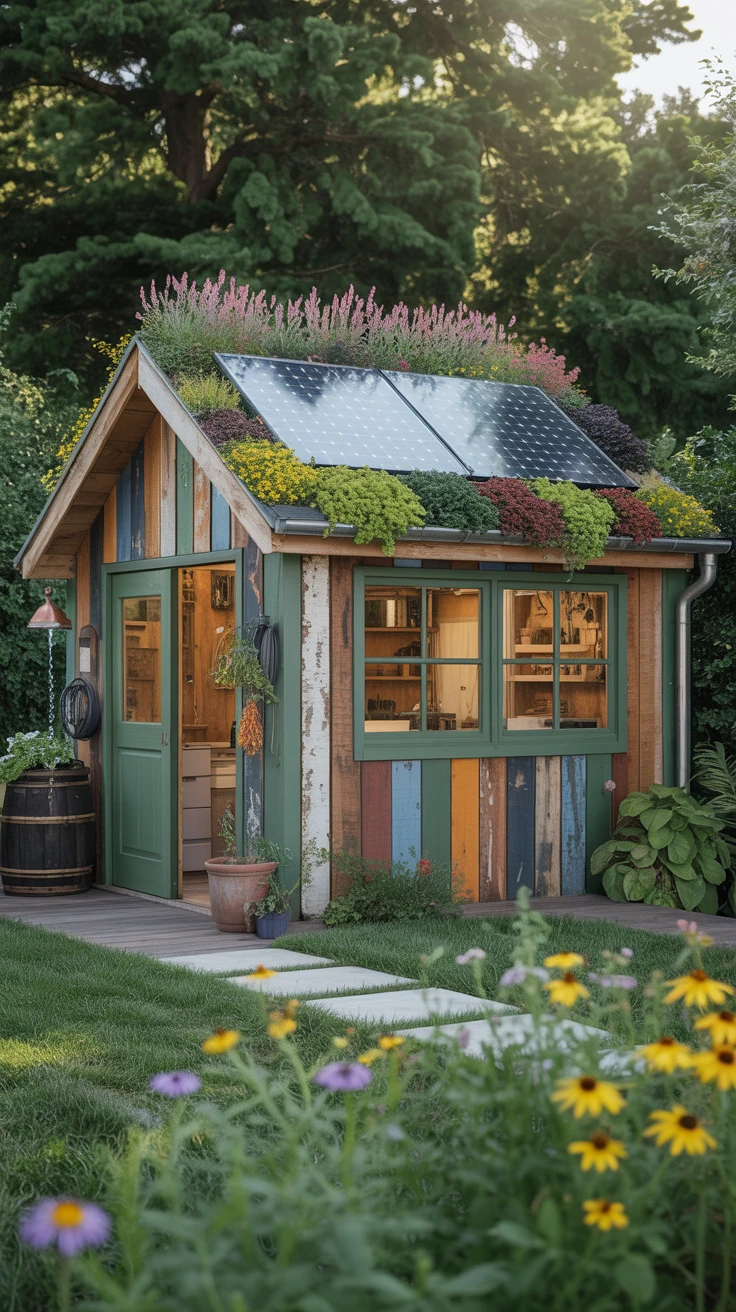
Sustainable **garden shed designs** aren’t just good for the planet—they often create the most interesting visual elements in your garden. My eco-friendly shed has become a conversation starter with visitors and has significantly reduced my environmental footprint.
Eco-friendly features to consider:
- Living green roof planted with sedums or native species
- Rainwater collection system connected to downspouts
- Reclaimed or sustainably sourced building materials
- Solar panels for lighting or small power needs
- Natural insulation materials like wool or recycled denim
The living roof on my shed has become a mini ecosystem, attracting beneficial insects and helping to regulate the temperature inside the structure throughout the seasons.
5. Vintage Vibes: The Old-world Potting Shed
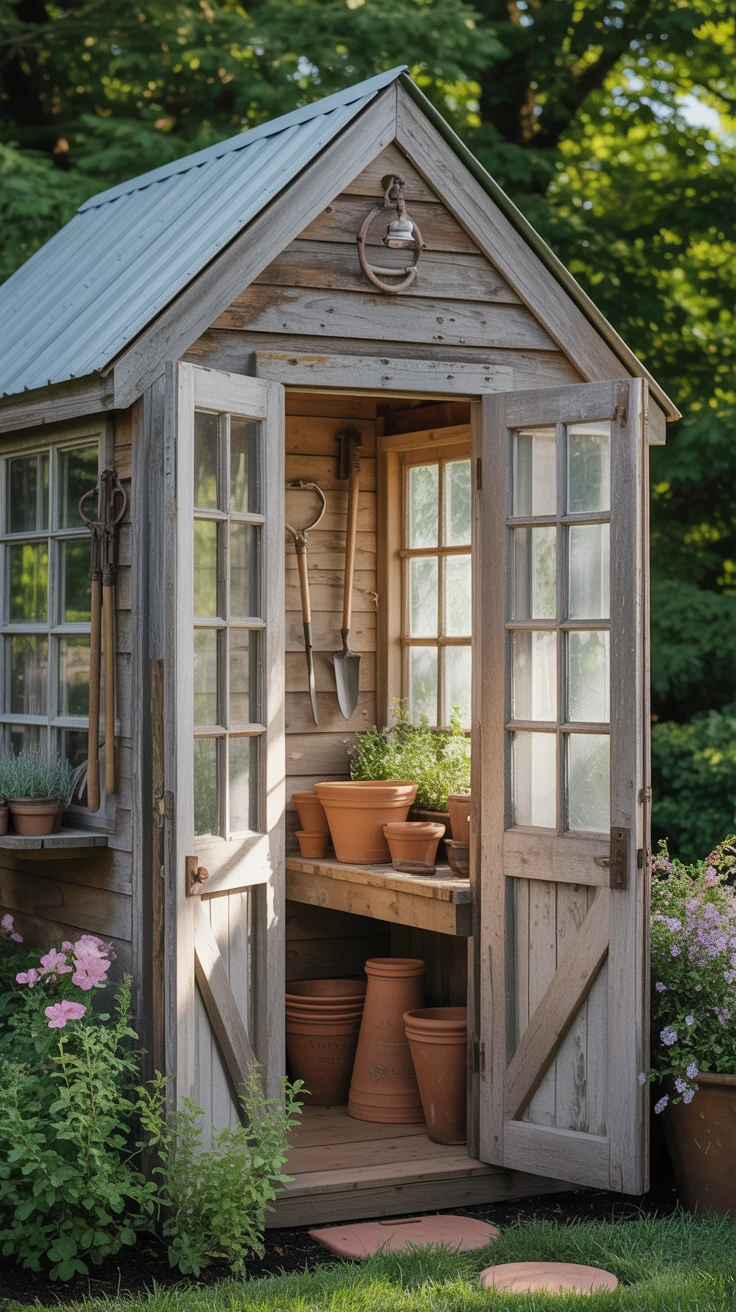
Potting sheds combine storage with a dedicated workspace for gardening tasks. The vintage-style potting shed brings nostalgic charm while serving practical purposes.
Elements that create vintage potting shed appeal:
- Weathered or distressed wood finishes
- Antique hardware and fixtures
- Glass panels or salvaged windows
- Built-in potting bench with storage underneath
- Display areas for vintage garden tools and terracotta pots
I’ve found that incorporating genuine vintage items makes all the difference—my grandfather’s old garden tools now hang on the wall, adding both sentimental value and authentic character.
6. Studio Space: Contemporary Shed Designs
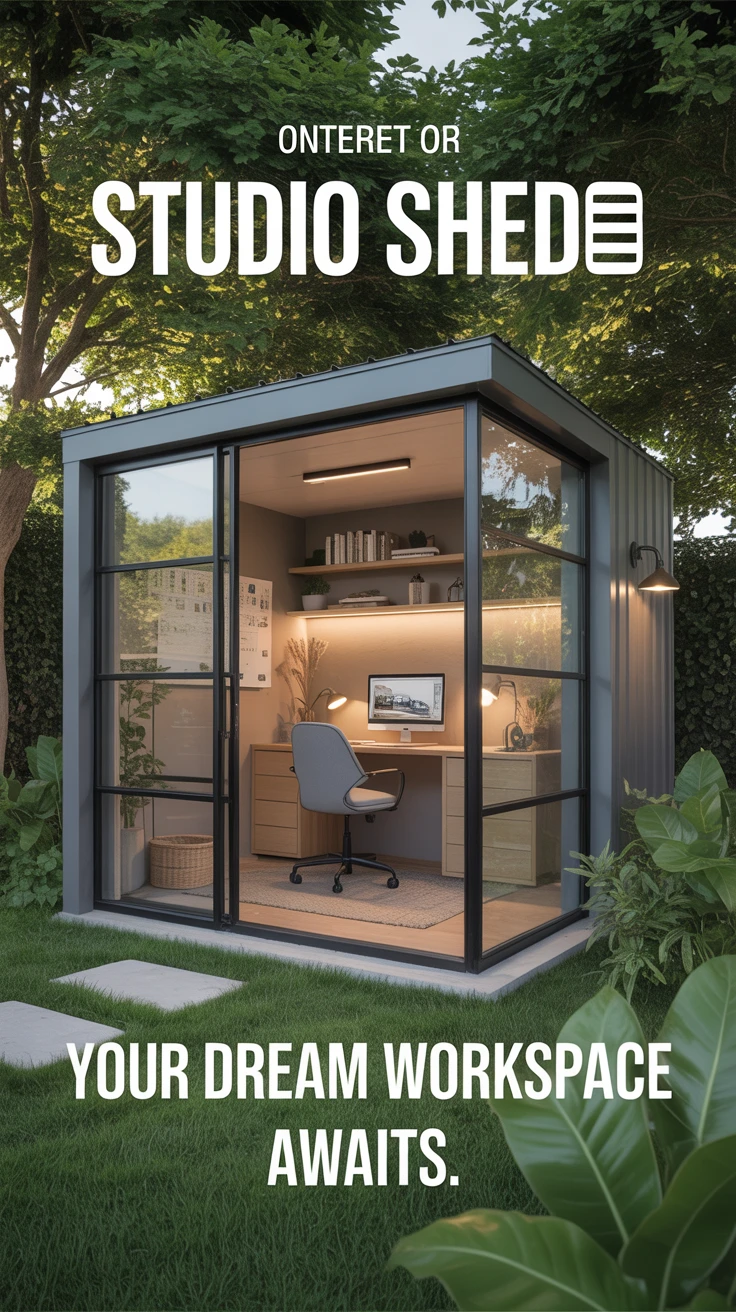
When I needed a quiet workspace away from my busy household, converting a shed into a contemporary studio solved my problem perfectly. These designs prioritize comfort and functionality for extended use.
Essential studio shed elements:
- Enhanced insulation for year-round comfort
- Multiple windows for abundant natural light
- Electrical wiring for lighting and equipment
- Durable flooring suitable for desk chairs and furniture
- Built-in desk space and storage solutions
Pro Tip: Install adjustable shelving systems rather than fixed shelves. As your needs change, you’ll appreciate the flexibility to reconfigure your space without major renovations.
7. Small but Mighty: The Compact Tool Shed
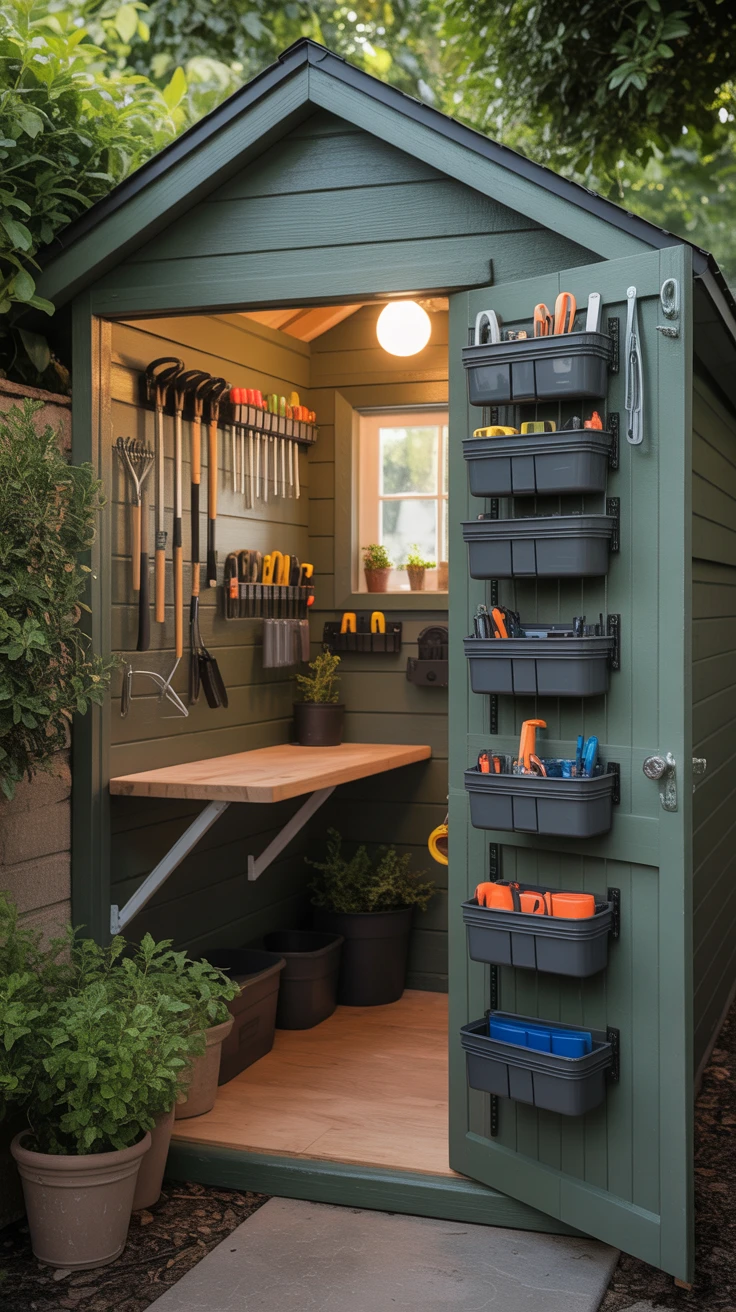
Not every yard has space for a large structure, but even the smallest **garden shed designs** can be highly functional with thoughtful planning. My narrow side yard seemed unusable until I installed a slim tool shed that maximized every inch.
Space-saving features for compact sheds:
- Wall-mounted tool organizers and pegboards
- Fold-down workbench that tucks away when not in use
- Door-mounted storage racks and pouches
- Ceiling hooks for hanging longer items
- Modular storage bins that stack efficiently
Remember that vertical space is your ally in small sheds—I installed tracks from floor to ceiling to create adjustable storage that evolves with my needs.
8. The Versatile Workshop: A Multi-purpose Design
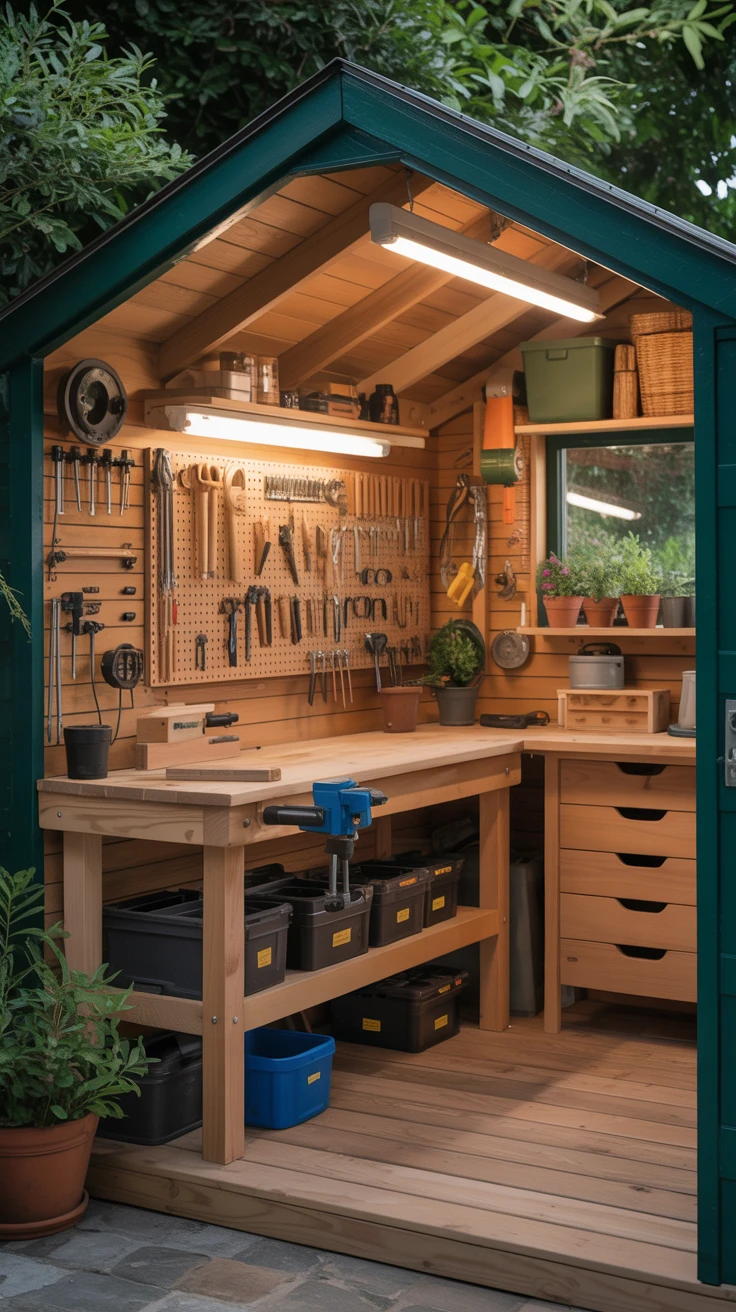
Workshop sheds combine storage with a dedicated space for projects and repairs. I’ve spent countless hours in my workshop shed, which has become the heart of my DIY adventures.
Key workshop shed features:
- Durable workbench with vice and tool storage
- Adequate lighting, including task lighting over work areas
- Power outlets strategically placed around the space
- Ventilation system for dust and fumes
- Dedicated zones for different activities (woodworking, potting, repairs)
When designing my workshop shed, I made the mistake of underestimating my electrical needs. Plan for more outlets than you think necessary—you’ll thank yourself later.
9. Breezy and Open: The Gazebo-like Shed
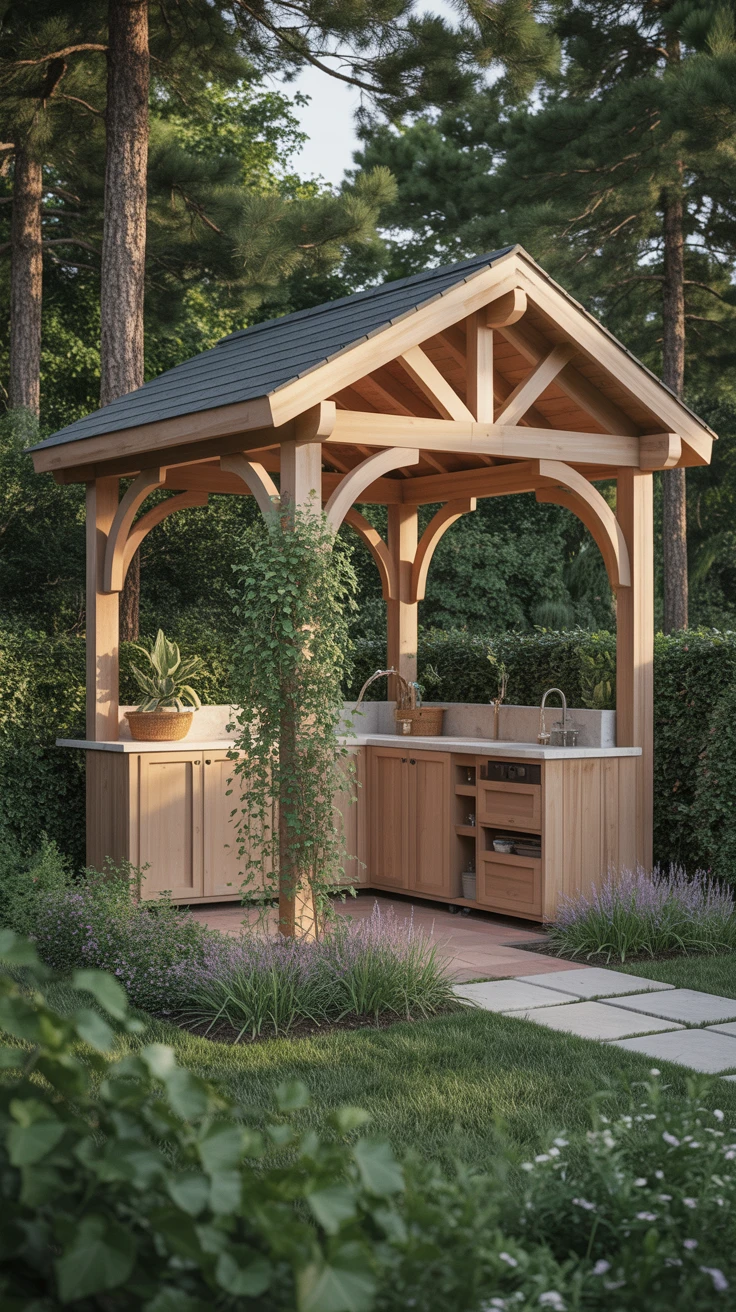
Open-sided structures blend the boundary between shed and gazebo, creating airy spaces that connect you with your garden. These designs work beautifully in mild climates or as seasonal structures.
Elements of open gazebo-style sheds:
- Post and beam construction with minimal walls
- Decorative roof design (pergola style or traditional pitched)
- Weather-resistant storage cabinets or chests
- Climbing plant support for natural privacy screens
- Optional roll-down sides for weather protection
Pro Tip: Install cedar or cypress posts directly in concrete footings rather than using metal brackets if possible. I’ve found this creates a more stable structure that better withstands wind and weather over time.
10. A Nook of Knowledge: Tiny Library Sheds
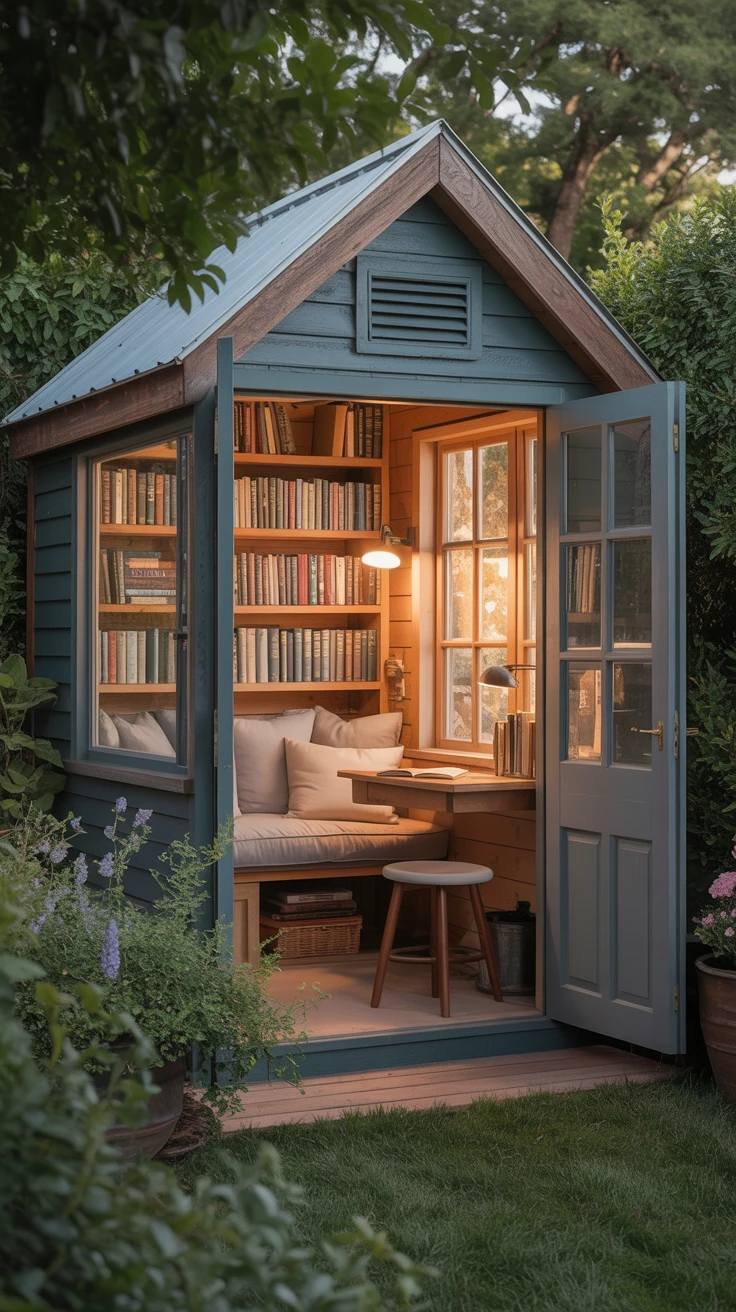
Combining my love of gardening with my passion for reading led me to create a library shed—a quiet retreat that’s become my favorite spot for afternoon escapes.
Elements for creating a garden library shed:
- Built-in bookshelves along walls
- Comfortable seating (window seat, reading chair, or daybed)
- Good natural light plus task lighting for evening reading
- Proper insulation and moisture control to protect books
- Small desk or writing surface
My library shed includes a small electric heater for winter use—worth every penny for year-round enjoyment.
11. Artistic Flair: Designing a Garden Studio
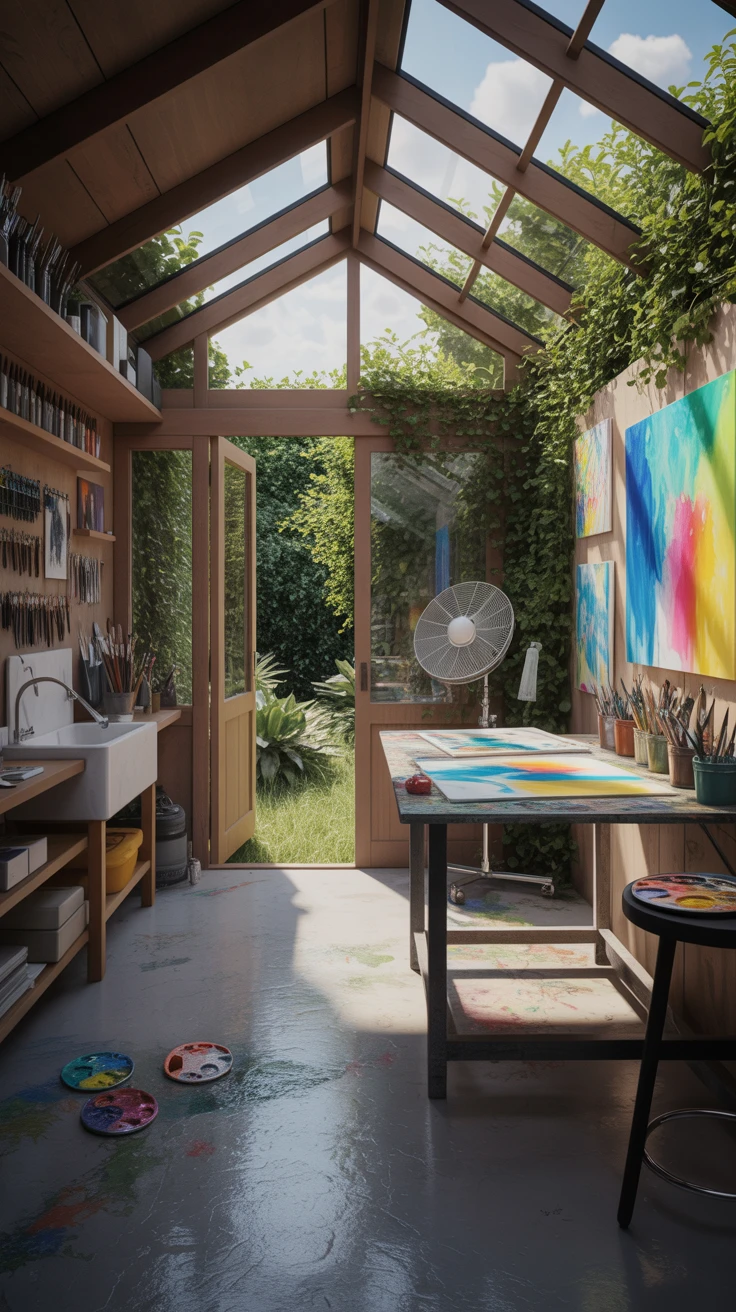
Creative pursuits thrive in dedicated spaces away from household distractions. Art studio sheds provide the perfect environment for painting, crafting, or other artistic endeavors.
Key features of art studio sheds:
- North-facing windows for consistent, shadow-free light
- Washable surfaces for easy cleanup
- Specialized storage for supplies and materials
- Flexible display areas for works in progress
- Water source if possible (even a simple sink makes a huge difference)
I initially underestimated the importance of ventilation in my art studio shed. After working with oil paints in an enclosed space, I quickly added more windows and an exhaust fan!
12. Farmhouse Feel: Traditional Storage Sheds
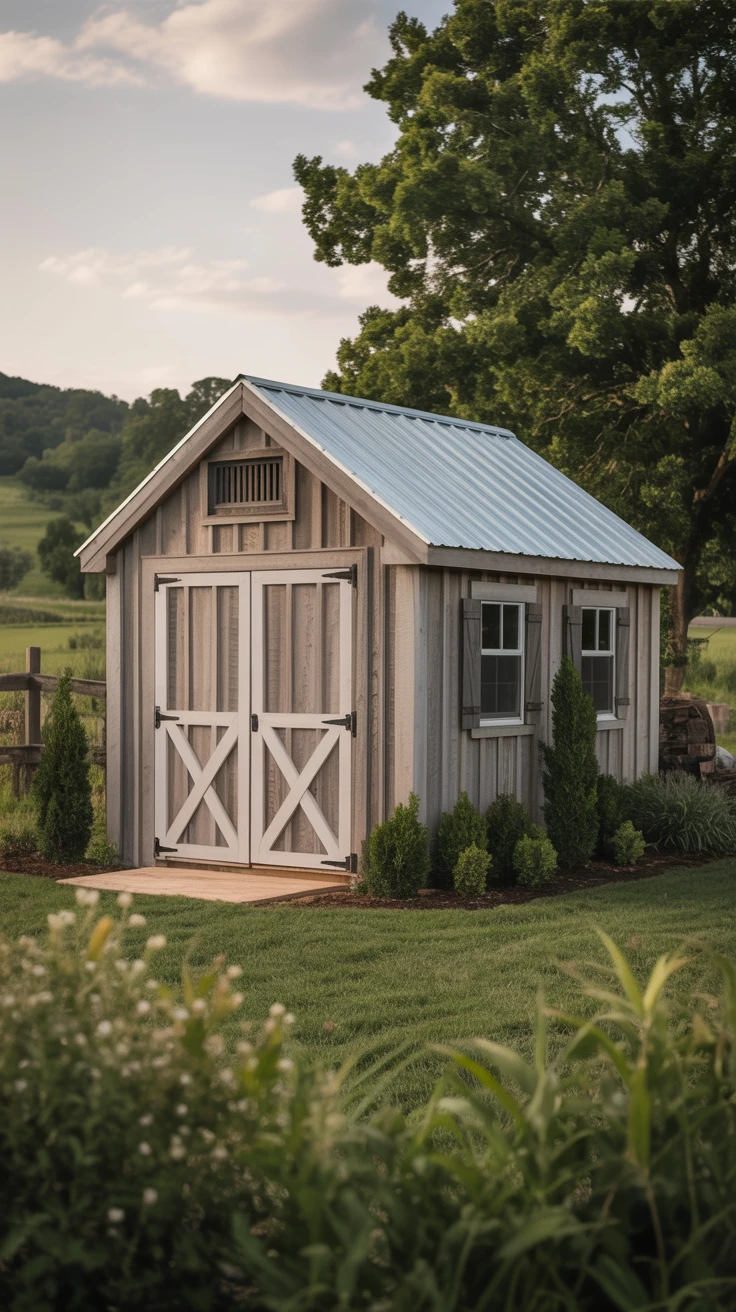
Farmhouse-style **garden shed designs** bring rustic practicality and charm to your outdoor space. These sturdy structures emphasize functionality while incorporating traditional design elements.
Farmhouse shed characteristics:
- Simple gable roof with extended eaves
- Board and batten or shiplap exterior
- Galvanized metal roof
- Carriage-style doors or Z-brace door designs
- Hardware with an aged or blacksmith-crafted appearance
Pro Tip: Use real wood rather than composite materials for authentic farmhouse character. While it requires more maintenance, the natural aging process creates a patina that can’t be replicated with synthetic materials.
13. Greenhouse Glamor: Victorian Style Sheds
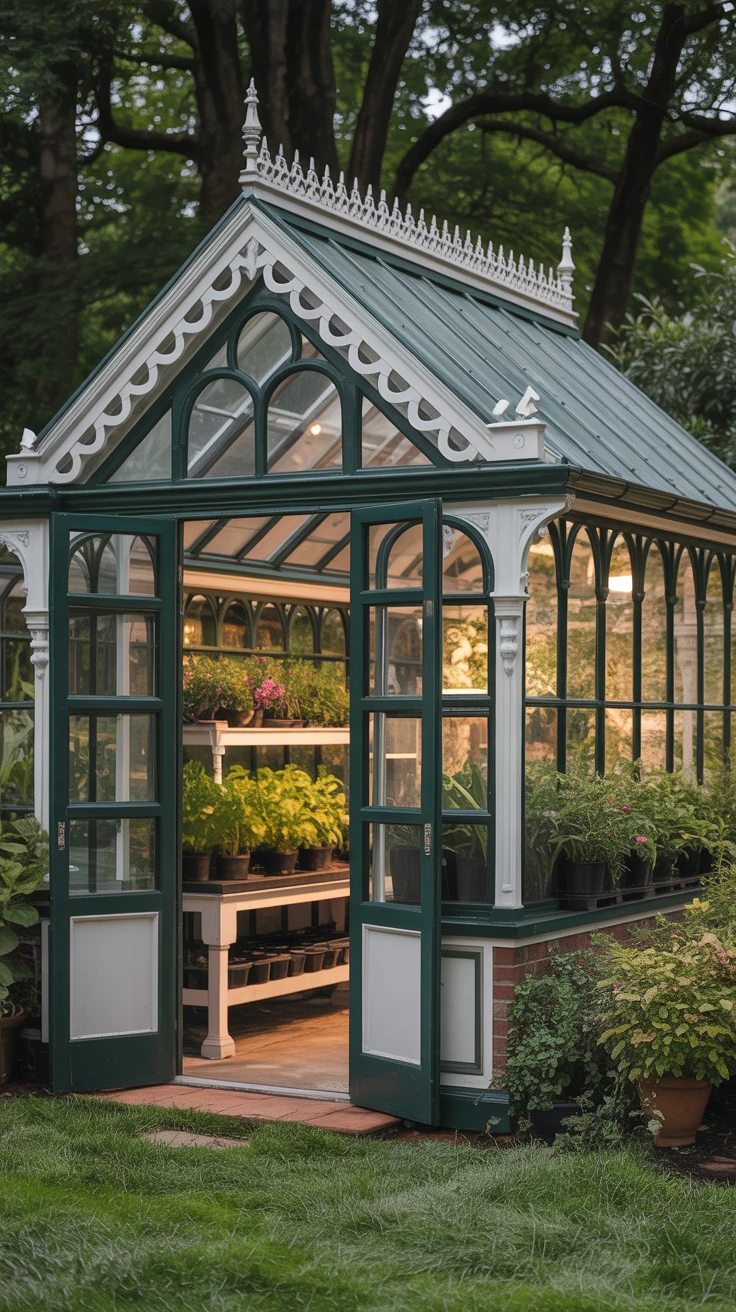
Victorian greenhouse sheds combine the ornate details of the era with practical growing space. These elegant structures become focal points in any garden landscape.
Victorian greenhouse shed elements:
- Decorative ridge cresting and finials
- Generous glass panels in walls and roof
- Ornate trim details and moldings
- Traditional potting benches and shelving
- Classic color schemes (whites, blacks, dark greens)
My Victorian greenhouse shed required more complex construction than other designs, but the joy of growing plants year-round in such a beautiful space has been worth the extra effort.
14. Fun and Functional: The Playhouse Shed
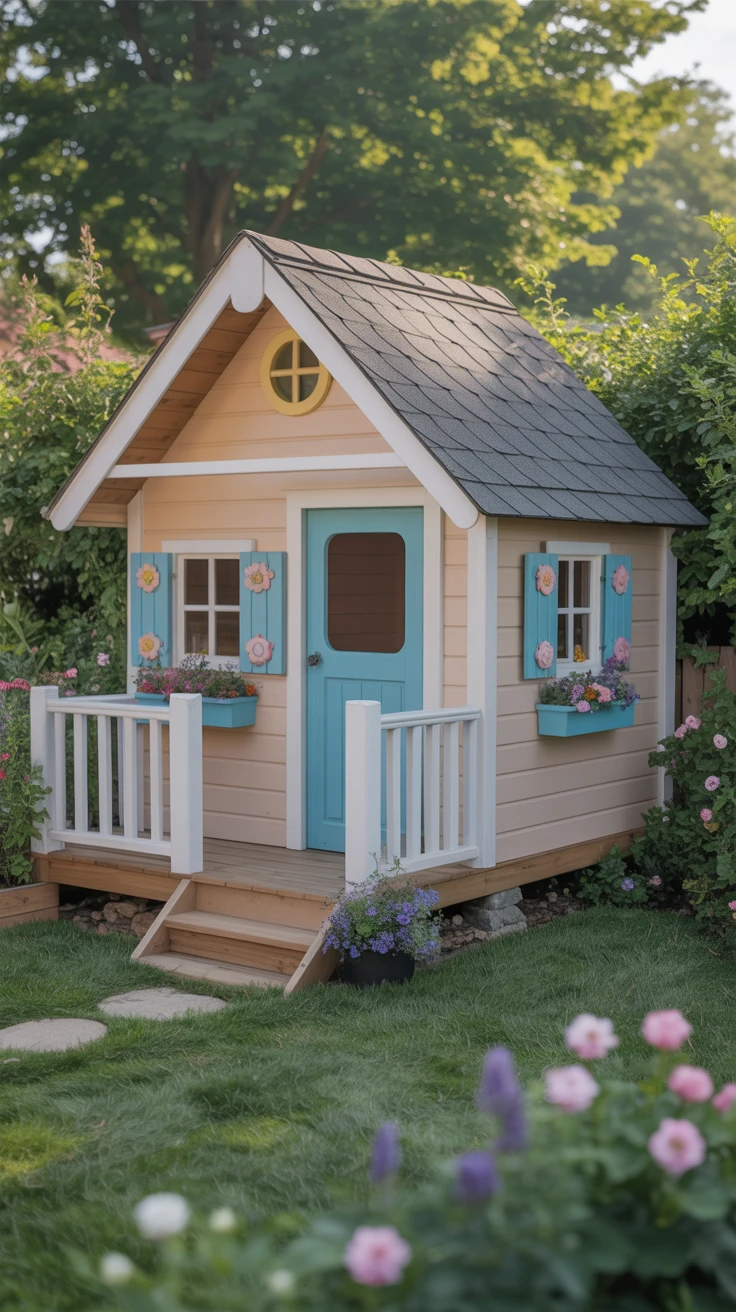
Playhouse sheds serve double duty, providing storage while creating magical spaces for children. As my kids have grown, our playhouse shed has evolved from a fairy castle to a teen hangout, proving its lasting value.
Playhouse shed features to consider:
- Child-friendly design elements (windows at appropriate heights)
- Safe materials and finishes
- Hidden storage areas for garden equipment
- Whimsical details like window boxes or decorative shutters
- Convertible elements that can mature with children’s interests
Pro Tip: Include a small covered porch area that serves as a transition between indoor and outdoor play spaces while providing a sheltered spot for muddy boots and outdoor toys.
Frequently Asked Questions
What materials are best for building a garden shed?
The best materials depend on your climate, budget, and aesthetic preferences. Cedar and redwood naturally resist rot and insects but come at a premium price. Pressure-treated pine offers durability at a lower cost. For modern designs, consider metal or composite materials that require minimal maintenance. In my experience, investing in quality materials for the foundation and roof pays dividends in longevity, even if you economize elsewhere.
How do I maintain my garden shed?
Regular maintenance extends your shed’s lifespan considerably. Inspect the roof annually for damage or leaks. Clean gutters if installed. Reapply preservatives or paint to wooden structures every 2-5 years depending on exposure. Keep the interior dry and well-ventilated to prevent mold. Remove vegetation growing against the walls, which can trap moisture and accelerate deterioration. I’ve found that scheduling a “shed maintenance day” each spring ensures these tasks don’t get overlooked.
Can I convert a garden shed into a living space?
Converting a shed into a living space is possible but requires careful planning. Check local building codes and permit requirements first—many jurisdictions have specific regulations for habitable structures. You’ll need proper insulation, electrical wiring, and possibly plumbing. Consider heating and cooling solutions appropriate for your climate. My neighbor successfully converted her garden shed into a guest room, but the process involved upgrading the foundation and meeting code requirements for egress windows.
What are the benefits of a green roof on a shed?
Green roofs offer multiple advantages: they provide insulation, reducing temperature fluctuations inside the shed; they absorb rainwater, decreasing runoff; they create habitat for beneficial insects and birds; and they extend roof life by protecting materials from UV damage. On my own shed, the green roof has noticeably moderated interior temperatures while creating a beautiful visual element that changes with the seasons. The initial investment in structural reinforcement and waterproofing pays off in both practical benefits and aesthetic appeal.
How do I ensure my garden shed is weatherproof?
Weatherproofing begins with proper construction: a solid foundation that keeps the structure above ground level, quality roofing materials correctly installed, and appropriate siding with proper flashing around openings. Apply caulk around windows and doors, and consider weather stripping for doors. For existing sheds, inspect regularly for gaps or damage and address issues promptly. I learned this lesson the hard way after postponing repairs to a small roof leak, which eventually resulted in damaged tools and expensive repairs.