Introduction
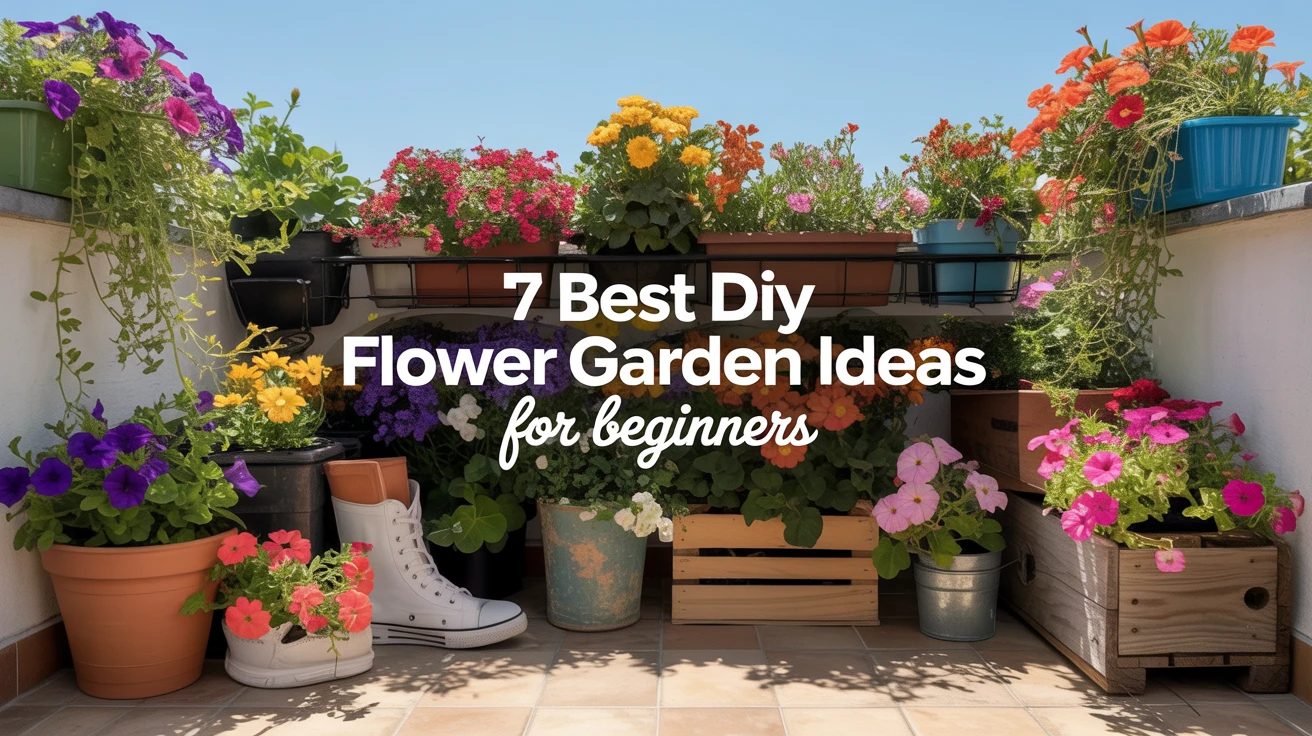
Starting your own flower garden can transform any outdoor space into a vibrant sanctuary. As a beginner, I remember feeling overwhelmed by the seemingly endless options and techniques. The good news? Creating a beautiful DIY flower garden doesn’t require years of experience or expensive equipment. In my journey from gardening novice to enthusiast, I’ve discovered that with some basic knowledge and creativity, anyone can create stunning floral displays.
Whether you have a spacious yard or just a small balcony, these seven DIY flower garden ideas will help you bring color and life to your space. I’ve personally tested each of these approaches and compiled the most beginner-friendly options that deliver impressive results without overwhelming complexity.
1. Container Flower Garden
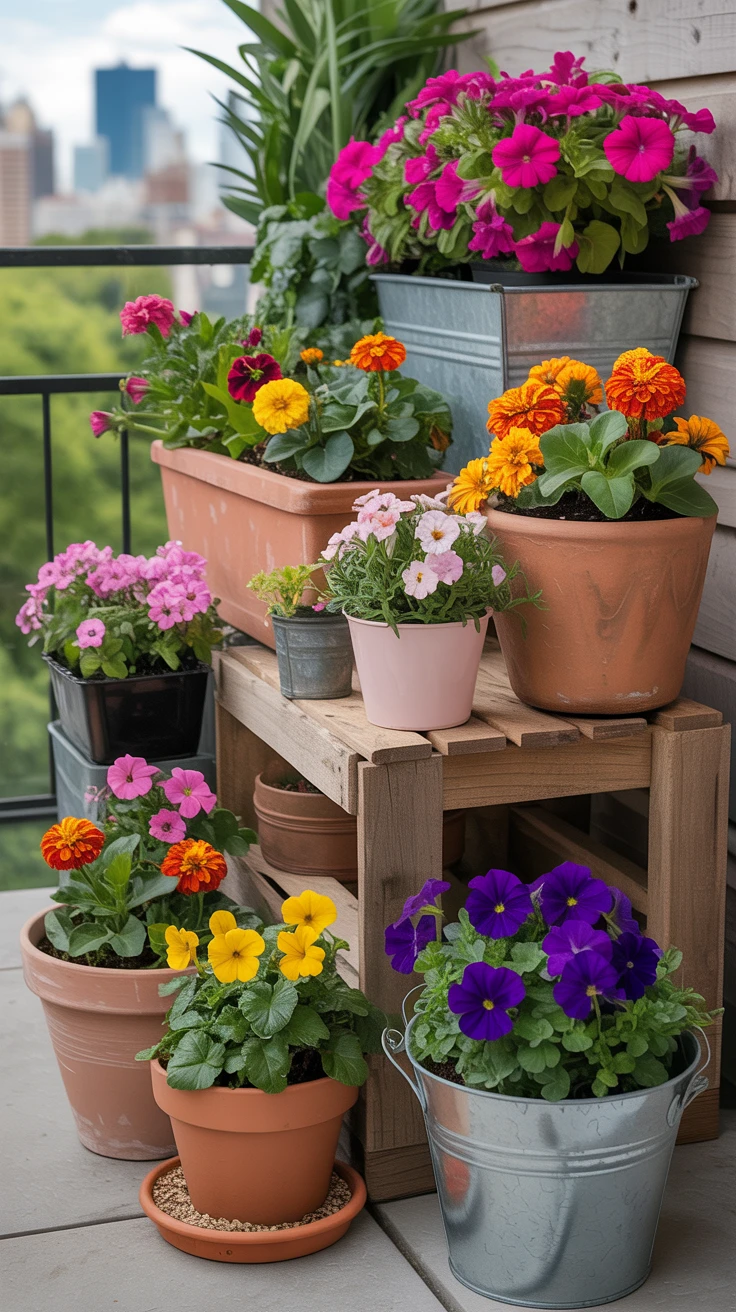
Container gardening was my gateway into the world of flowers. It’s perfect if you’re limited on space or want the flexibility to rearrange your garden.
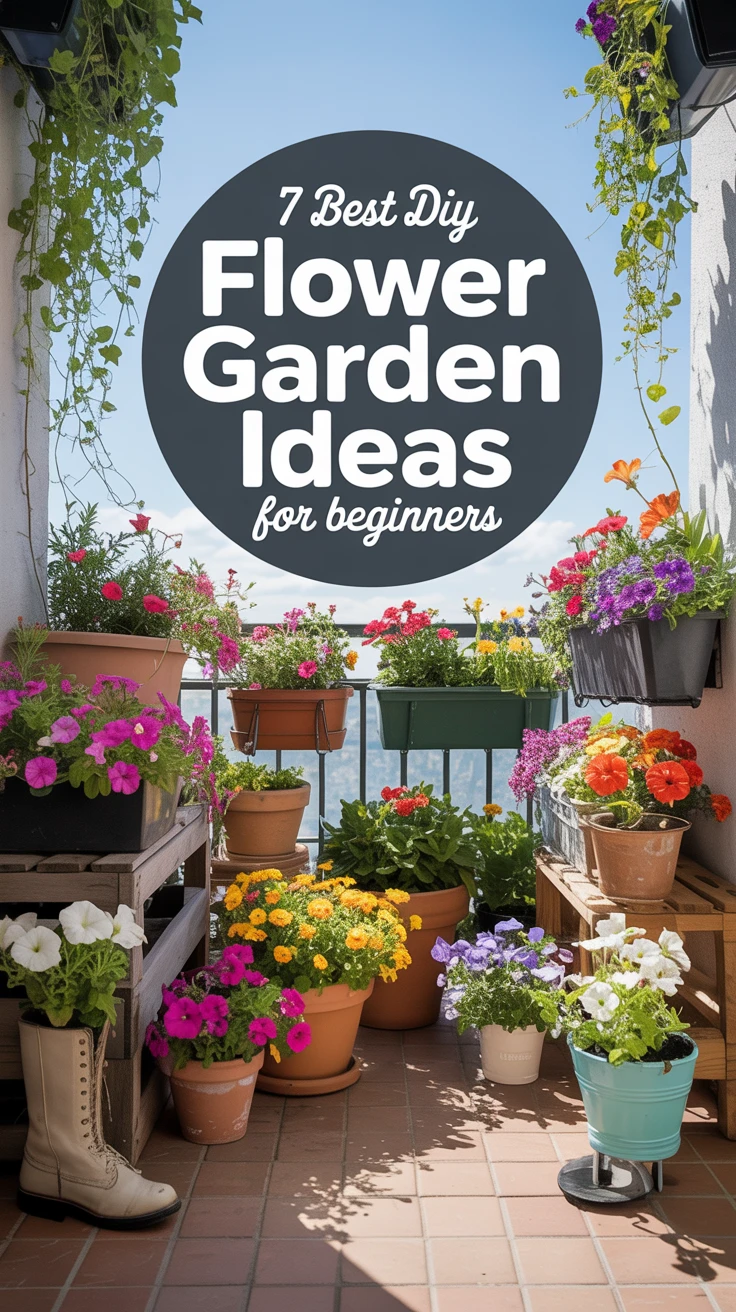
When I first started, I made the mistake of using containers without drainage holes and watched my plants suffer from root rot. Now I know better! Almost anything can serve as a planter as long as it has proper drainage: terracotta pots, wooden crates, metal buckets, or even repurposed items like old boots or teapots.
- Best containers: Terracotta pots (breathable), plastic containers (lightweight), wooden planters (natural look)
- Ideal flowers: Petunias, marigolds, zinnias, geraniums, and pansies
- Soil needs: Use potting mix specifically formulated for containers, not garden soil
Pro Tip: Place a layer of gravel at the bottom of your containers before adding soil to improve drainage and prevent waterlogging. I learned this after drowning several plants in my early gardening days!
2. Vertical Flower Wall
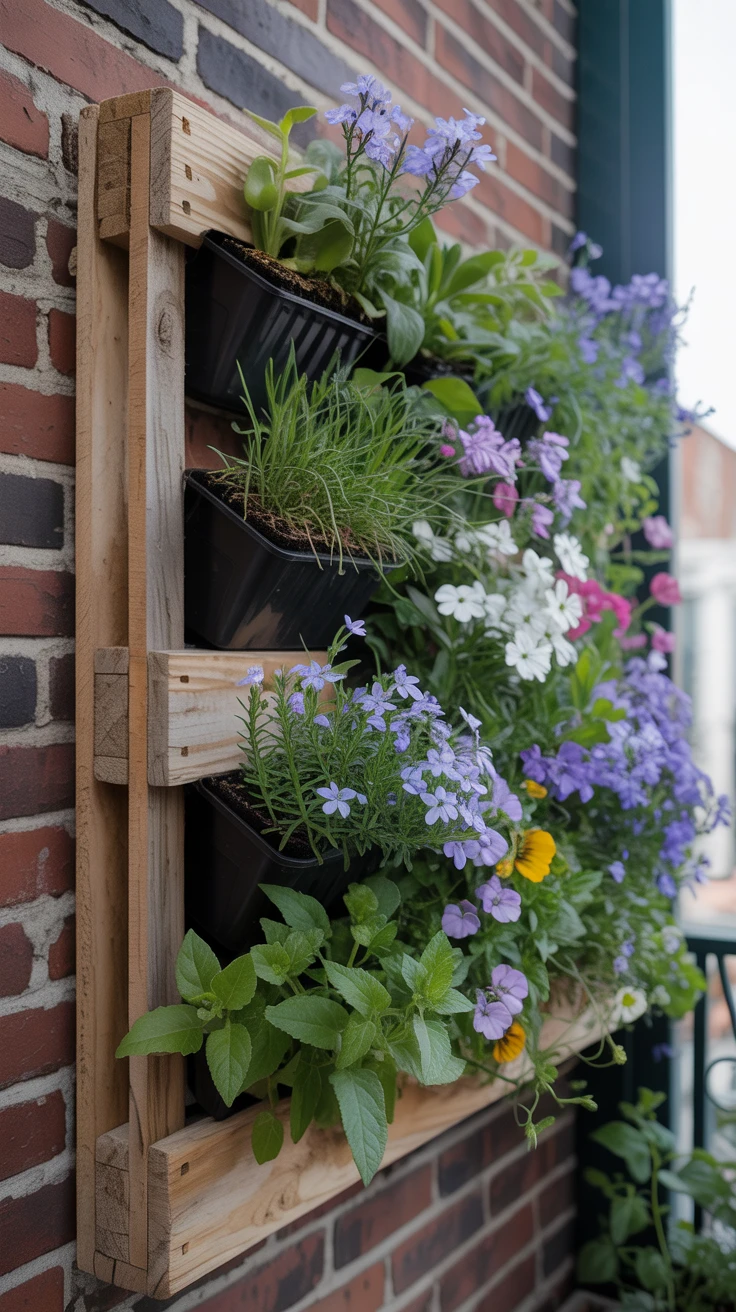
When I moved to an apartment with only a tiny balcony, I discovered vertical gardening. This space-saving approach allows you to grow upward instead of outward, transforming blank walls into living tapestries of color.
My first vertical garden used a simple wooden pallet that I sanded, lined with landscape fabric, and filled with soil. The result was stunning, though I’ll admit it was heavier than expected!
- Structure options: Pallets, hanging pocket organizers, wall-mounted planters, trellis systems
- Best flowers for vertical gardens: Trailing varieties like lobelia, sweet alyssum, nasturtiums, and creeping phlox
- Installation considerations: Ensure your wall can support the weight; consider drip irrigation systems
Pro Tip: Use lightweight potting mix combined with moisture-retaining crystals for vertical gardens. This reduces the overall weight and means less frequent watering—something I wish I’d known before my first attempt nearly pulled my fence down!
3. Raised Bed Flower Garden
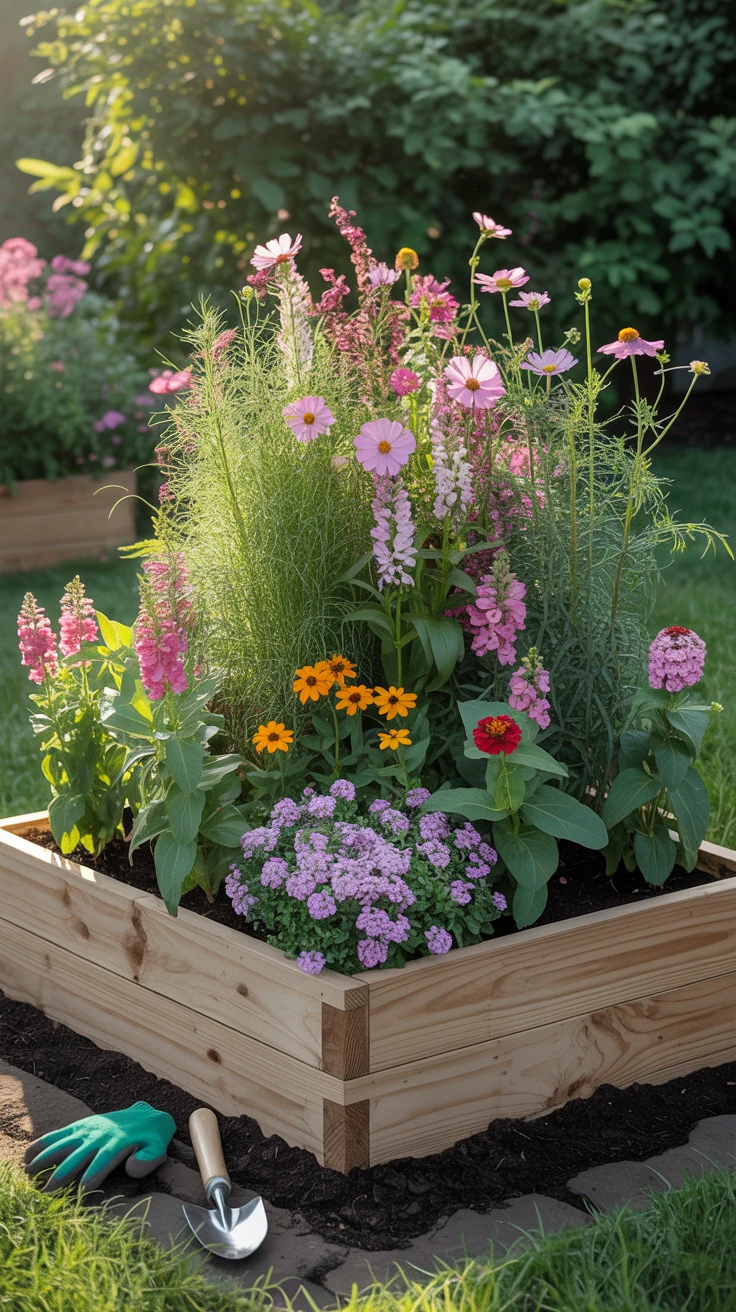
Raised beds have been a game-changer in my gardening journey. They provide better drainage, prevent soil compaction, and are easier on your back than traditional in-ground gardens.
I built my first raised bed using untreated cedar boards, creating a simple 4′ x 4′ square. The elevated design meant fewer weeds and less bending—plus, the defined space helped me focus my gardening efforts rather than taking on too much at once.
- Materials: Untreated wood (cedar or redwood), concrete blocks, or stone
- Dimensions: Typically 3-4 feet wide (allowing access from both sides) and 10-12 inches deep
- Soil mix: Equal parts topsoil, compost, and sand or perlite for drainage
For maximum impact, I’ve found that mixing flowers of different heights creates visual interest—tall flowers like cosmos or snapdragons in the center, medium-height zinnias or salvias in the middle, and low-growing alyssum or portulaca around the edges.
Pro Tip: Line the bottom of your raised bed with hardware cloth (not chicken wire) before adding soil to prevent burrowing pests from accessing your plants. This saved my garden after losing an entire season of flowers to hungry moles!
4. Window Box Flower Garden
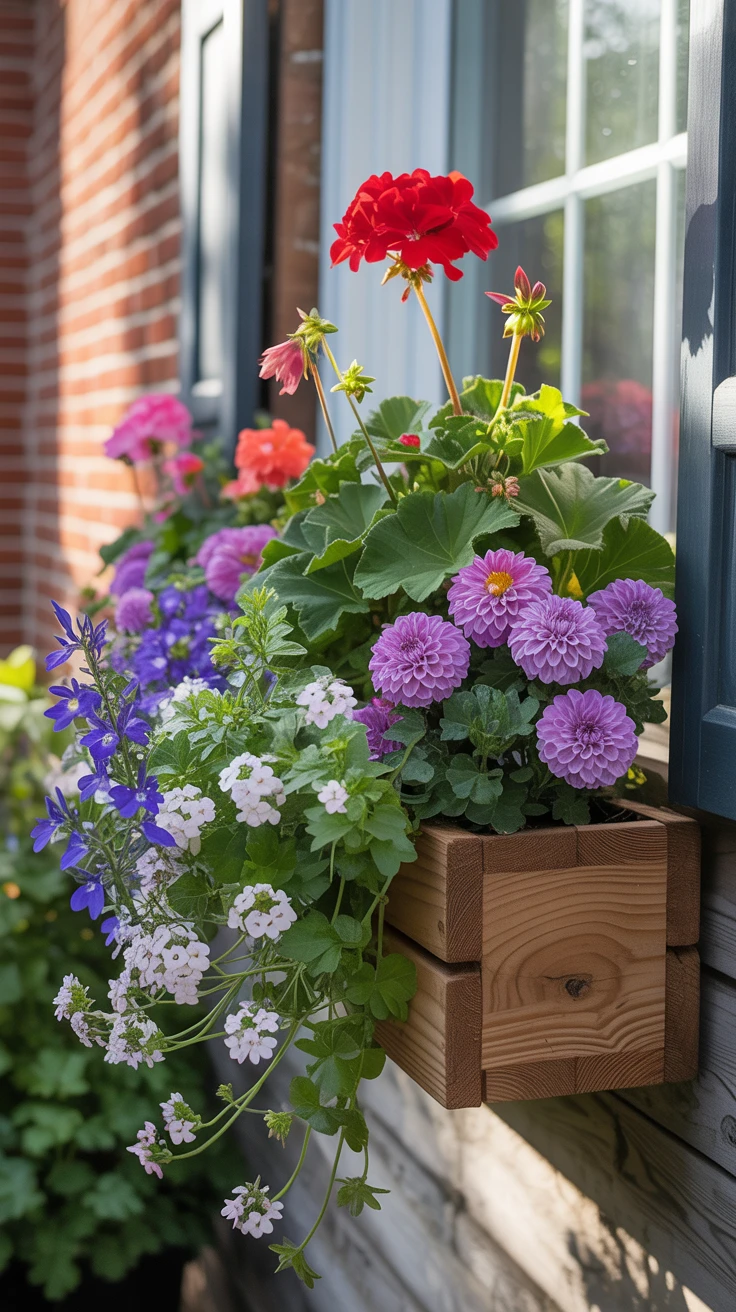
Window boxes instantly enhance curb appeal and bring flowers closer to eye level where you can appreciate their details. I added window boxes to my home three years ago, and they’ve become my favorite small-scale DIY flower garden project.
My initial mistake was overcrowding the boxes with too many plants. Now I follow the “thriller, filler, spiller” approach: a tall, striking plant as the centerpiece, medium-sized plants to fill the middle, and trailing plants to cascade over the edges.
- Materials: Wood, fiberglass, metal, or plastic boxes with drainage holes
- Mounting: Secure brackets rated for the weight when fully watered
- Perfect combinations: Geraniums with trailing lobelia and sweet alyssum; dwarf dahlias with bacopa and trailing petunias
Pro Tip: Install a drip irrigation system with a timer for your window boxes. During a summer heatwave, I lost all my window box plants while on a weekend trip because they dried out completely—automated watering would have saved them!
5. Wildflower Patch
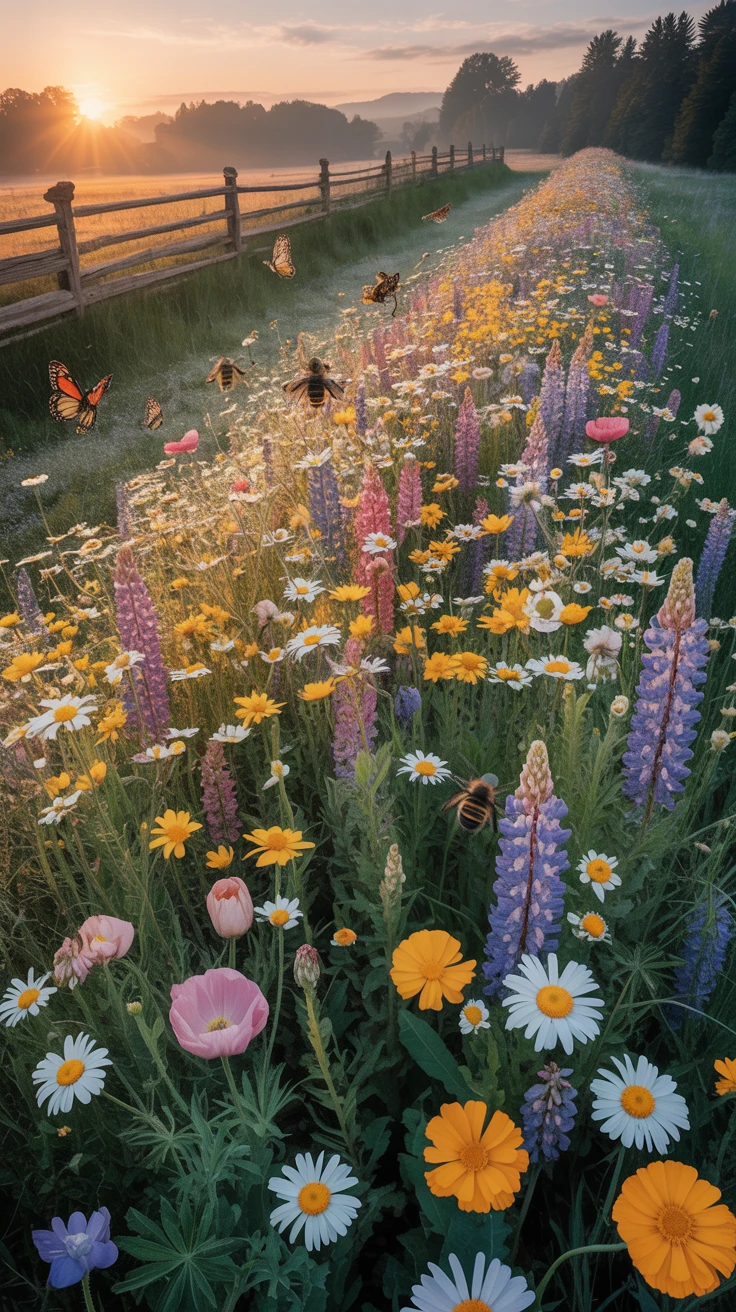
My wildflower patch is probably the most rewarding DIY flower garden I’ve created, with minimal effort for maximum impact. These naturalistic gardens support pollinators and require very little maintenance once established.
I simply cleared a sunny patch of lawn, scattered a regional wildflower seed mix, lightly raked it in, and waited. That first season was magical—watching different flowers emerge throughout the summer, each attracting its own collection of butterflies, bees, and birds.
- Preparation: Remove existing vegetation, loosen top layer of soil
- Seeding: Use regional native wildflower mixes appropriate for your climate
- Maintenance: Water until established, then only during extreme drought; mow once annually in late fall
Pro Tip: Mix wildflower seeds with sand before broadcasting to achieve more even distribution. My first attempt resulted in patchy growth because the seeds weren’t spread uniformly!
6. Herb and Flower Mix Garden
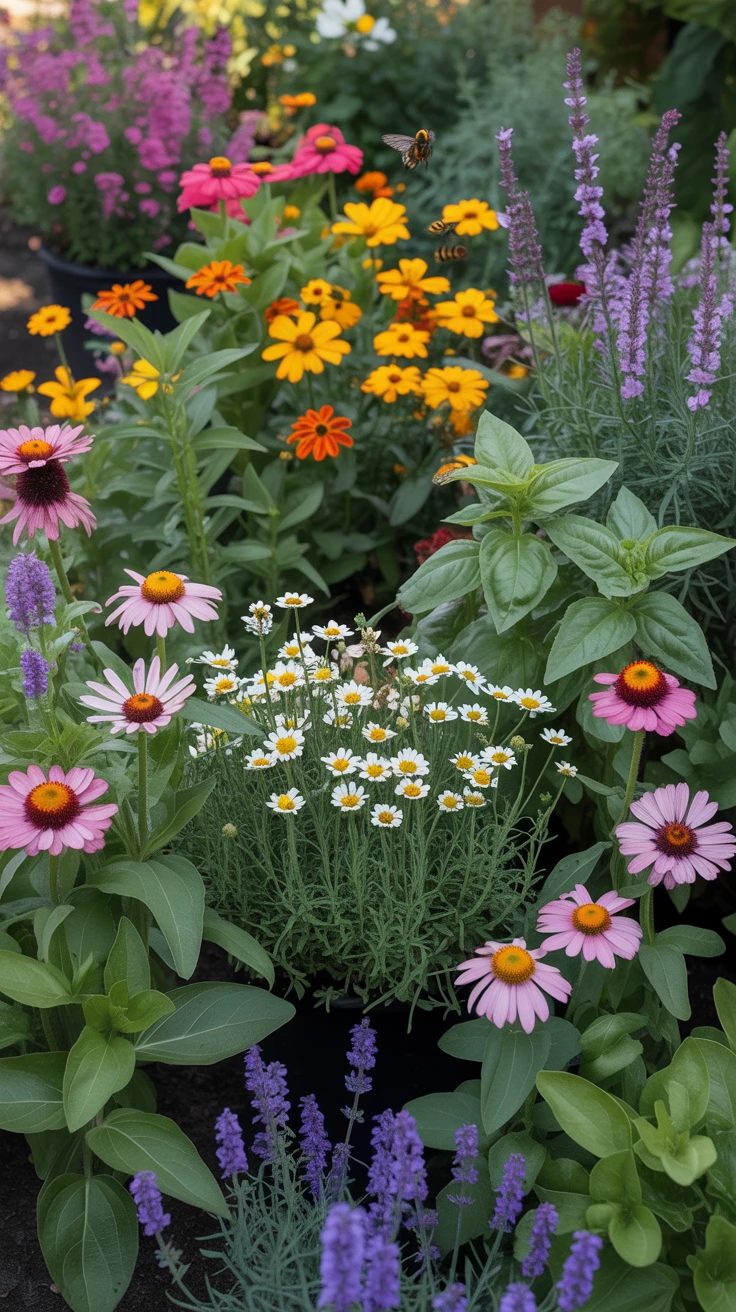
Combining herbs and flowers creates a garden that’s both beautiful and functional. I started this type of garden after realizing many culinary herbs produce lovely flowers that attract beneficial insects.
In my mixed herb and flower bed, purple basil grows alongside zinnias, while lavender complements echinacea. The varied textures and scents create a sensory experience, and I love being able to harvest both bouquets and cooking ingredients from the same space.
- Flowering herbs: Lavender, sage, thyme, chives, borage, chamomile
- Companion flowers: Calendula, nasturtiums, marigolds, zinnias
- Design approach: Group plants with similar water and sunlight needs
Pro Tip: Allow some herbs like cilantro and dill to flower and set seed—they’ll attract beneficial predatory insects that help control garden pests, and they’ll self-seed for next season. I’ve virtually eliminated aphid problems in my garden using this approach!
7. Themed Flower Garden
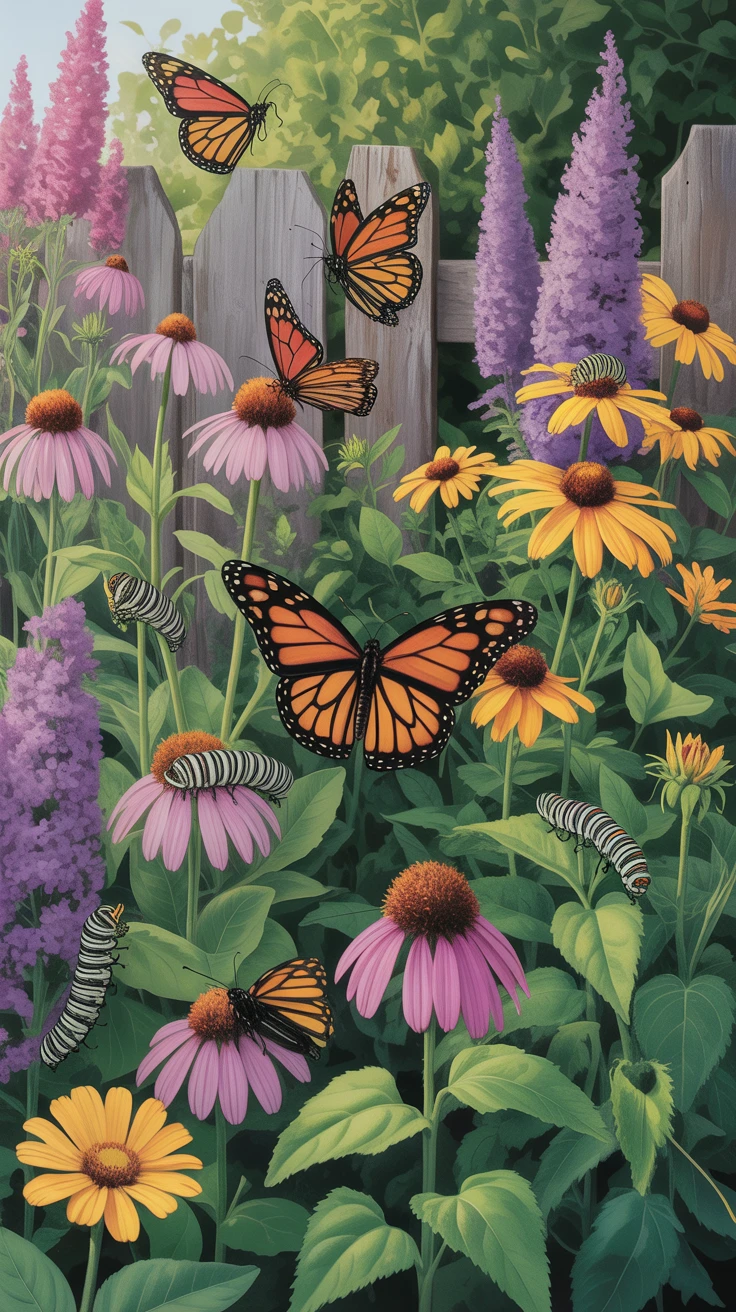
Creating a garden with a specific theme adds personality and cohesion. After several years of random planting, I tried a themed approach and found it much more visually impactful.
My first themed garden was a butterfly garden filled with nectar-rich flowers and host plants for caterpillars. The joy of watching monarch butterflies lay eggs on my milkweed plants and later seeing the caterpillars develop was worth every effort.
- Theme ideas:
- Color-themed gardens (all white, sunset colors, cool blues and purples)
- Butterfly or pollinator gardens
- Cottage garden with old-fashioned varieties
- Cutting garden for fresh bouquets
- Night garden with white flowers and fragrant blooms
For my butterfly garden, I incorporated coneflowers, black-eyed Susans, butterfly bush, zinnias, and crucial host plants like milkweed and parsley. The garden not only looked beautiful but served an ecological purpose.
Pro Tip: Research which flowering plants are native to your region and incorporate them into your themed garden. Native plants are adapted to local conditions, require less maintenance, and support local wildlife. My native plant additions have thrived with almost no intervention on my part!
Conclusion
Starting a DIY flower garden doesn’t have to be intimidating. Begin with one of these beginner-friendly ideas and expand as your confidence grows. I began with a single container garden five years ago and now maintain several different garden styles that bring me joy throughout the growing season.
Remember that gardening is a process of continuous learning—even experienced gardeners face failures and surprises. Embrace the journey, learn from mistakes, and don’t be afraid to get your hands dirty. The rewards of creating your own flowering oasis far outweigh the occasional challenges.
Which of these DIY flower garden ideas will you try first? Whether you have acres of land or just a sunny windowsill, there’s a perfect flower gardening approach waiting for you.
Frequently Asked Questions
What are the best flowers for beginner gardeners?
For beginners, I recommend zinnias, marigolds, sunflowers, cosmos, and nasturtiums. These flowers are forgiving, easy to grow from seed, and provide abundant blooms with minimal care. They also attract pollinators and make excellent cutting flowers for indoor arrangements.
How often should I water my flower garden?
Most flower gardens need about 1-2 inches of water per week, either from rainfall or irrigation. However, container gardens and newly planted flowers require more frequent watering—sometimes daily during hot weather. I check soil moisture by inserting my finger about an inch into the soil; if it feels dry, it’s time to water.
When is the best time to start a flower garden?
Spring and fall are ideal times to start flower gardens in most regions. Spring planting (after the last frost) allows for summer blooms, while fall planting works well for spring-flowering bulbs and perennials that benefit from establishing roots before winter. I’ve found that starting small projects in different seasons helps spread out the workload and learning curve.
How do I protect my flower garden from pests?
Start with healthy soil and choose pest-resistant varieties when possible. Encourage beneficial insects by planting diverse flowers and herbs. For specific pest problems, try organic solutions first—like neem oil, insecticidal soap, or physical barriers. I rotate susceptible plants to different locations each year and interplant strongly-scented herbs like basil and marigolds to confuse and repel many common pests.
Can I grow a flower garden in shade?
Absolutely! While full sun offers the widest variety of flowering options, many beautiful flowers thrive in partial or full shade. For shaded areas, try impatiens, begonias, coleus (for colorful foliage), astilbe, bleeding heart, and hostas. My north-facing shade garden features these plants plus ferns for texture, creating a peaceful retreat that’s actually lower maintenance than my sun gardens.