
Introduction
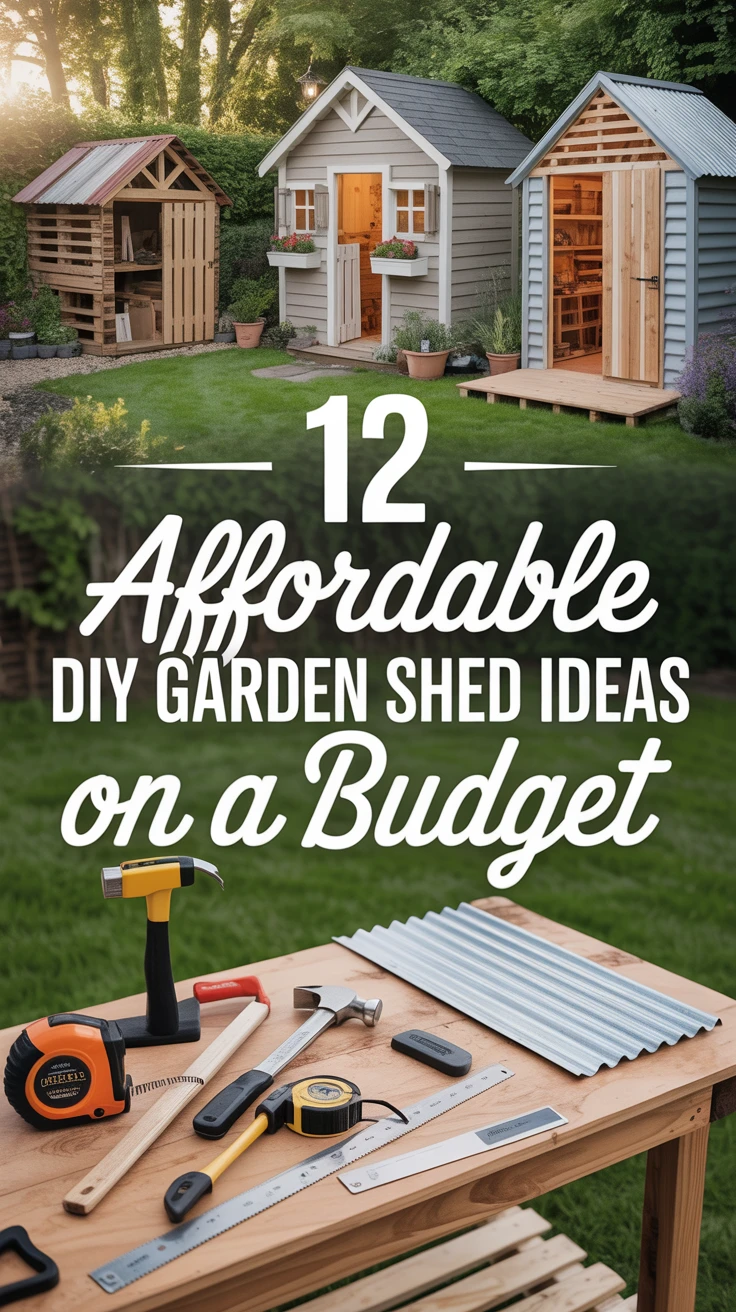
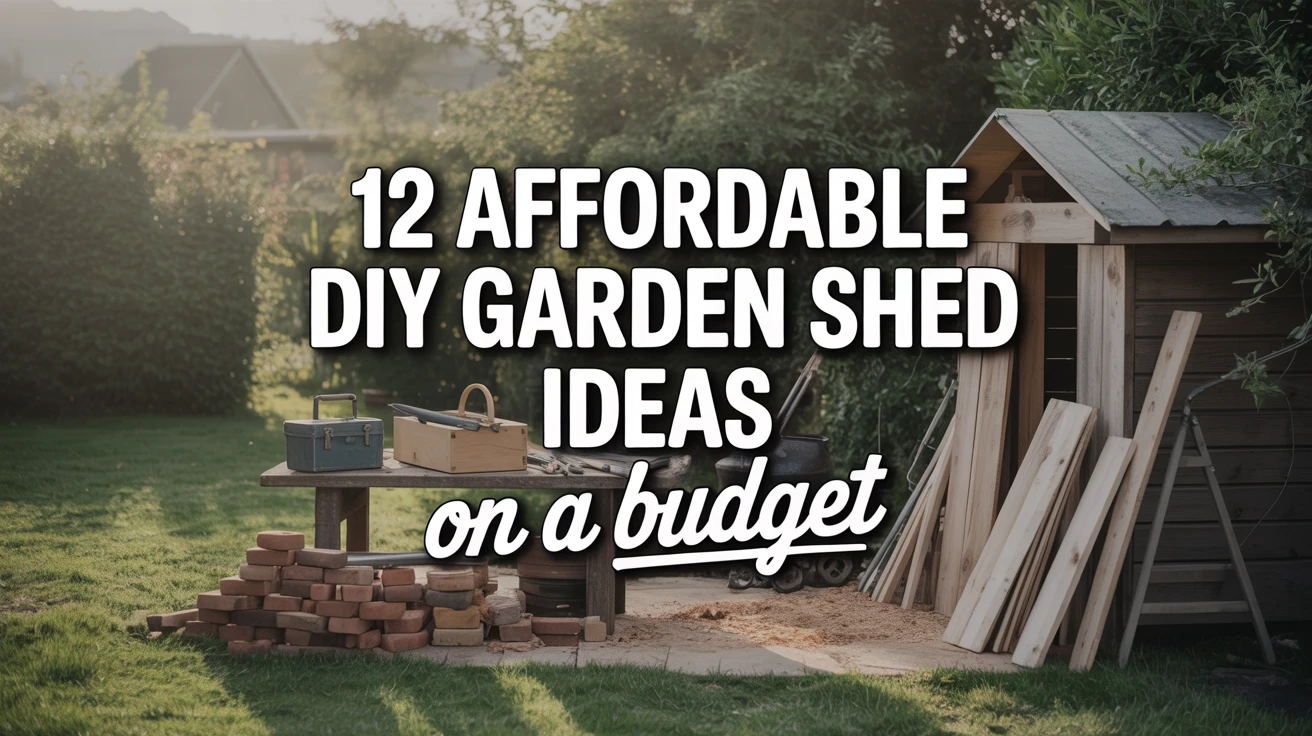
There’s something incredibly satisfying about building something with your own hands, especially when it serves a practical purpose in your garden. As someone who’s completed multiple DIY budget sheds over the years, I can tell you that creating your own garden storage doesn’t have to break the bank. Whether you’re looking to store garden tools, create a potting station, or just need some extra space, building a shed yourself can save you hundreds or even thousands of dollars.
In this article, I’ll share 12 affordable DIY garden shed ideas that I’ve either built myself or helped friends construct. Each option is designed with cost-effectiveness in mind while still providing functional and attractive storage solutions for your outdoor space. From repurposed materials to clever space-saving designs, there’s something here for every skill level and budget.
Benefits of Building Your Own Shed
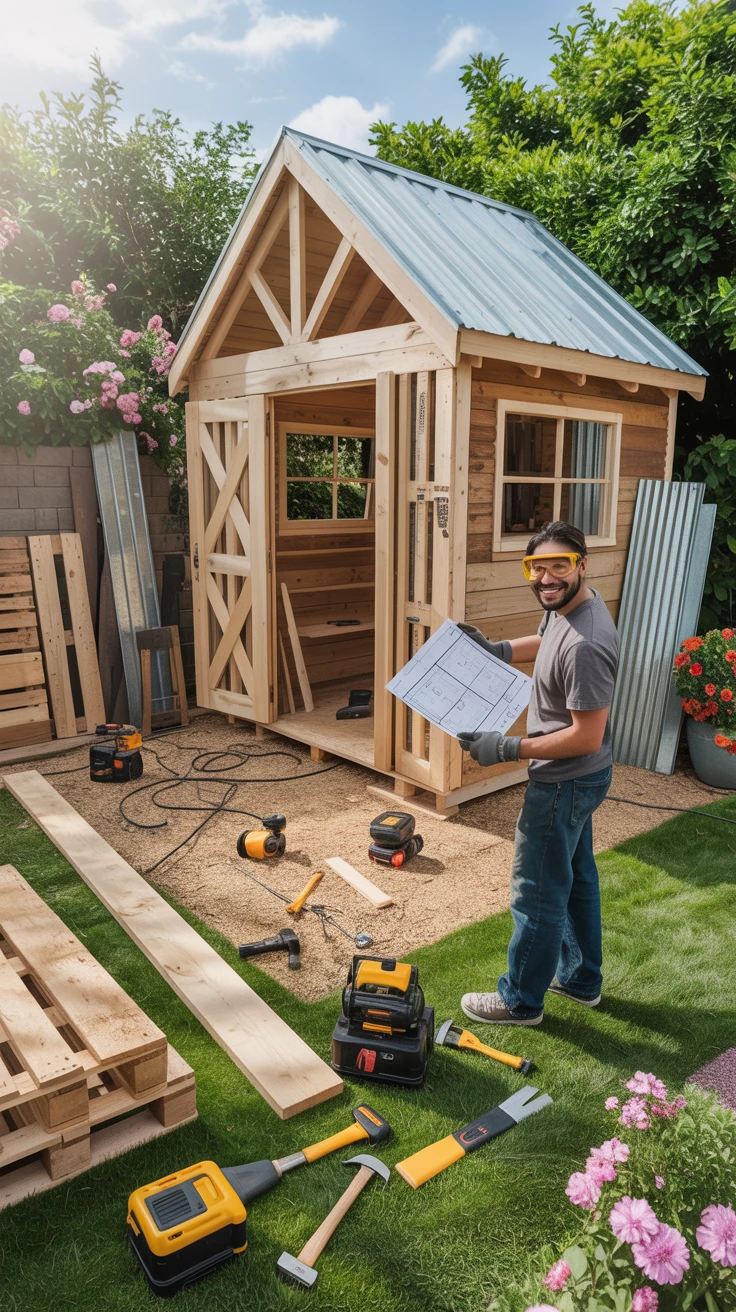
Before diving into specific shed ideas, let’s talk about why building your own shed makes so much sense:
- Significant cost savings – I’ve built sheds for less than a quarter of retail prices
- Customization options – Design exactly what you need for your specific storage requirements
- Sense of accomplishment – There’s nothing like the pride of pointing to your shed and saying “I built that!”
- Quality control – You choose the materials and construction methods
- Learning valuable skills – Each project builds your DIY confidence
Essential Tools and Materials
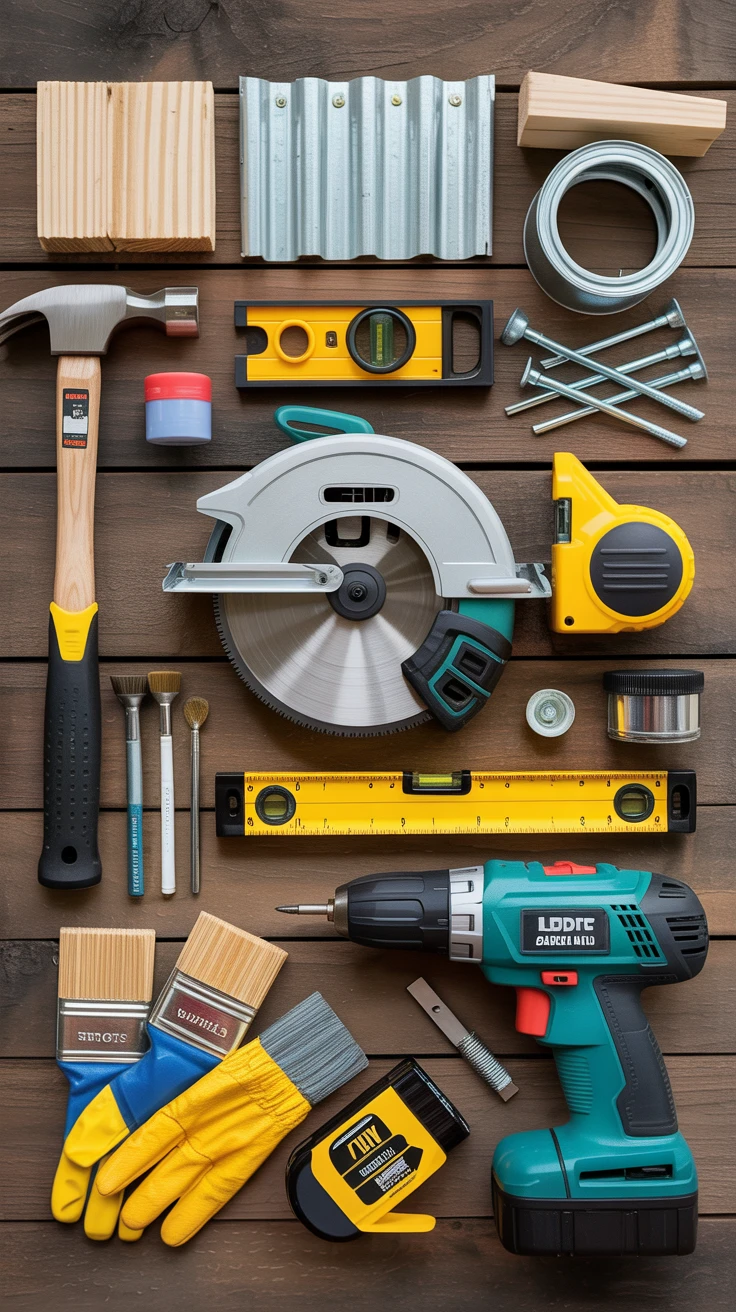
Before starting any **budget DIY shed** project, gather these basic tools and materials. You don’t need professional-grade equipment – I built my first shed with mostly borrowed tools!
Basic Tools:
- Hammer
- Circular saw or handsaw
- Drill with various bits
- Measuring tape
- Level
- Square
- Safety gear (gloves, goggles, ear protection)
Common Materials:
- Lumber (2x4s, plywood, OSB)
- Roofing materials (shingles, metal, or plastic panels)
- Screws and nails
- Door hinges and hardware
- Weather stripping
- Paint or wood sealer
Pro Tip: Check construction sites (with permission), online marketplaces, and recycling centers for discounted or free materials. I once built an entire shed frame using lumber salvaged from a neighbor’s deck demolition!
Idea 1: Pallet Shed
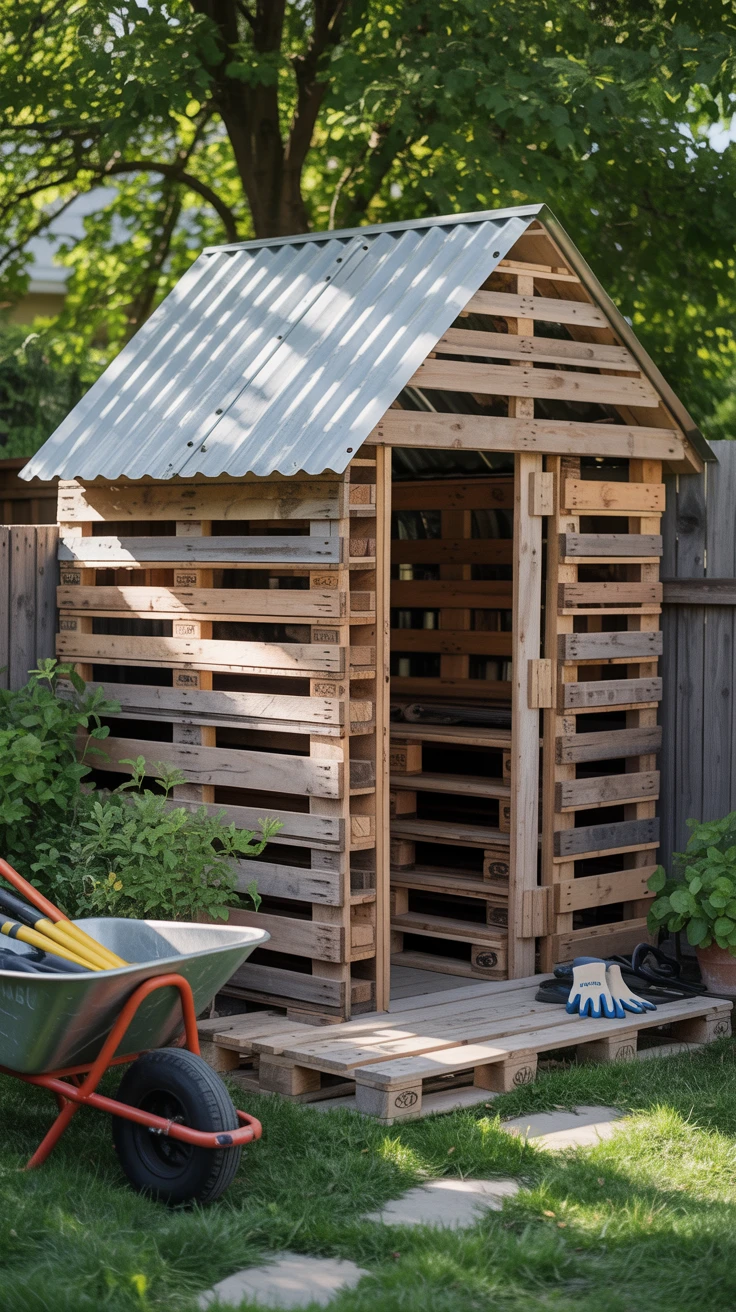
My first ever shed project was a pallet shed, and it’s still standing strong five years later. Wooden pallets are often free from businesses that receive large shipments. With some careful dismantling and reassembly, you can create a sturdy shed structure.
To build a pallet shed, I collected about 20 pallets of similar size. I used six for the floor, four for each long wall, two for each short wall, and the rest for the roof structure. After cleaning them thoroughly, I connected them using metal brackets and screws, then covered the roof with corrugated metal sheets I found on Craigslist.

View on AmazonAs an Amazon Associate, I earn from qualifying purchases.

View on AmazonAs an Amazon Associate, I earn from qualifying purchases.
Pro Tip: Select pallets marked “HT” (heat-treated) rather than “MB” (methyl bromide) to avoid harmful chemicals. I learned this the hard way after developing a rash from handling chemically treated pallets!
Idea 2: Recycled Wood Shed
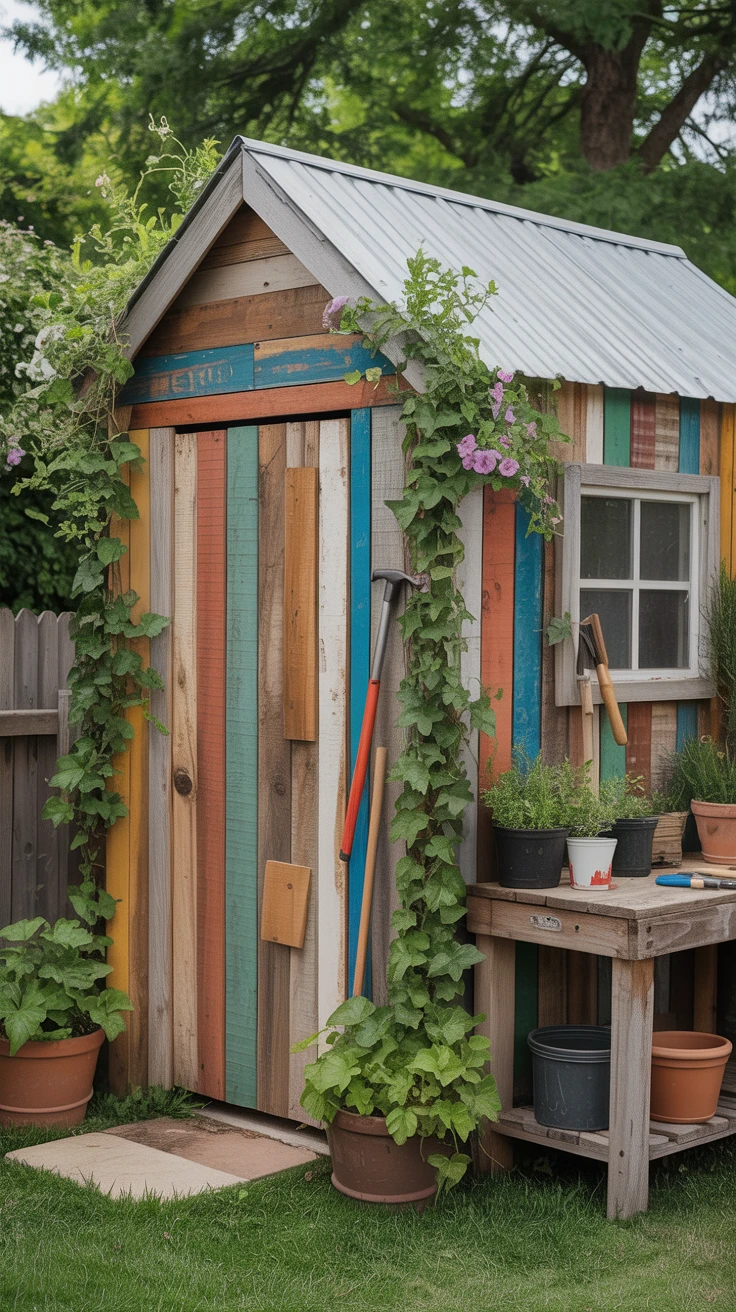
One of my favorite DIY budget sheds utilized reclaimed wood from various sources. Old fencing, barn wood, and even discarded furniture can provide excellent building materials with character and charm.
For this project, I built a simple frame using new 2x4s (one area where I don’t recommend skimping), then used the reclaimed wood for siding. The varied colors and textures created a rustic look that actually became a garden feature rather than just a utilitarian structure.
When working with recycled wood, I spend extra time removing old nails and screws, sanding rough edges, and treating for pests. This prep work is crucial for the longevity of your shed.
Idea 3: Sheet Metal Shed
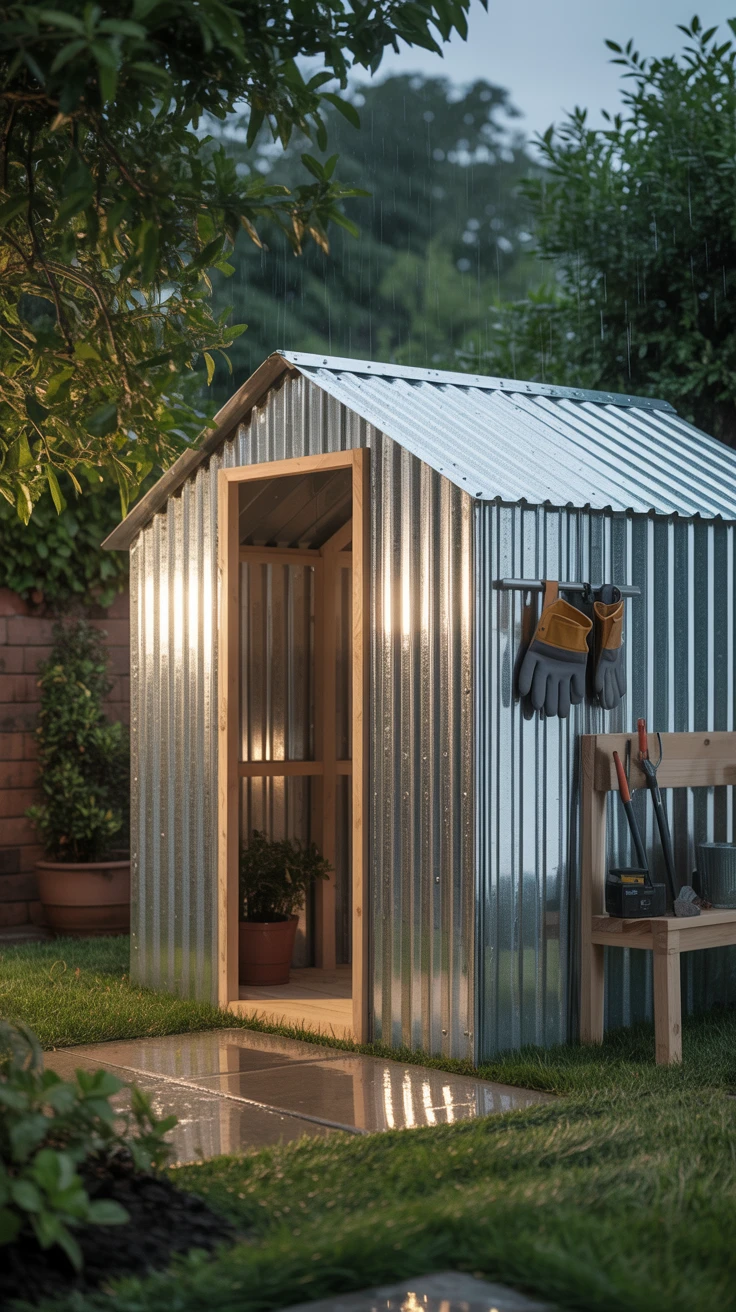
For areas with harsh weather, a sheet metal shed offers excellent durability. I built one for a friend who lives in a high-rainfall area, and it’s been completely watertight for years.
You’ll need to construct a wooden frame first, then attach corrugated metal sheets for the walls and roof. The metal can often be found at reasonable prices at hardware stores, and sometimes as remnants or seconds at metal suppliers.

View on AmazonAs an Amazon Associate, I earn from qualifying purchases.

View on AmazonAs an Amazon Associate, I earn from qualifying purchases.
Pro Tip: Wear thick gloves when handling sheet metal – the edges are incredibly sharp! I still have a scar on my palm from learning this lesson.
Idea 4: Basic Wooden Shed
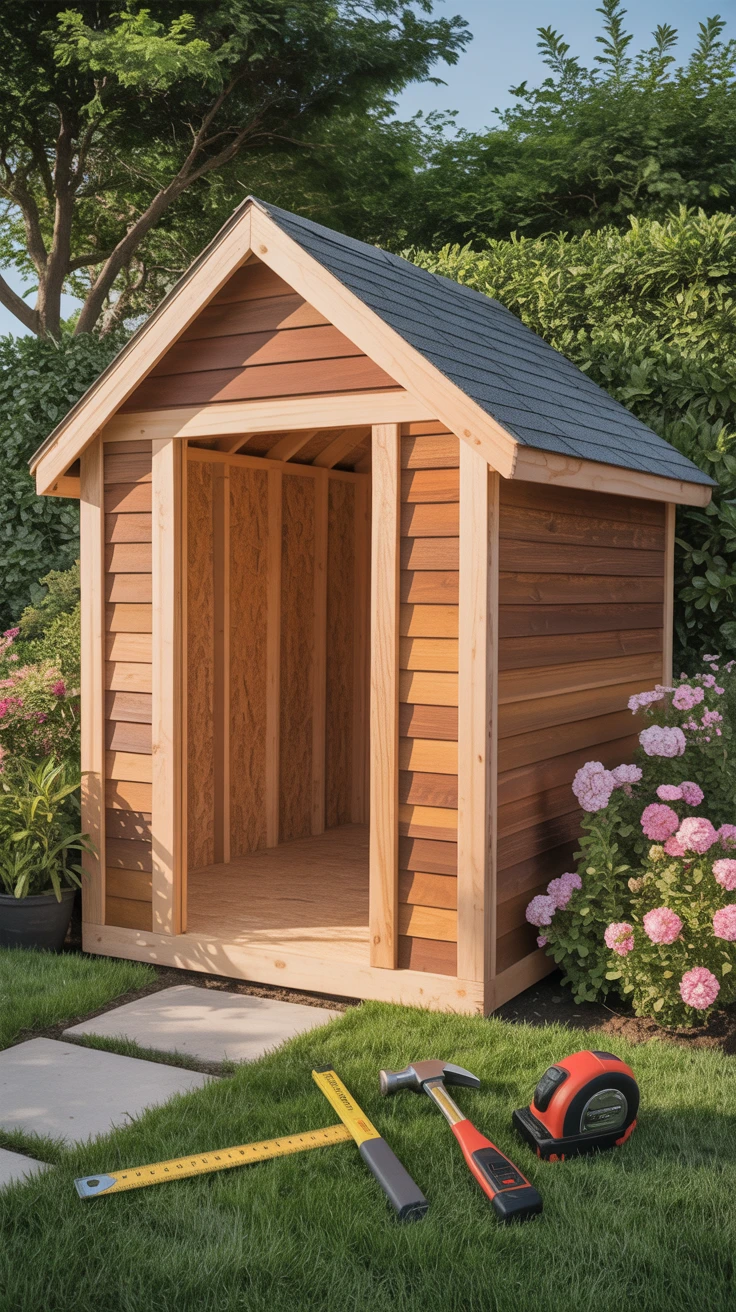
Sometimes the simplest approach is best. A basic wooden shed with a gable roof is a classic design that’s relatively easy to build and can be very affordable if you shop carefully for materials.
I’ve found that building a 6’x8′ shed strikes a good balance between usefulness and cost. The design consists of a pressure-treated base, stud walls, plywood siding, and asphalt shingles on the roof. By watching for sales and buying materials gradually, I was able to build one for under $500.
Idea 5: Greenhouse Shed Combo
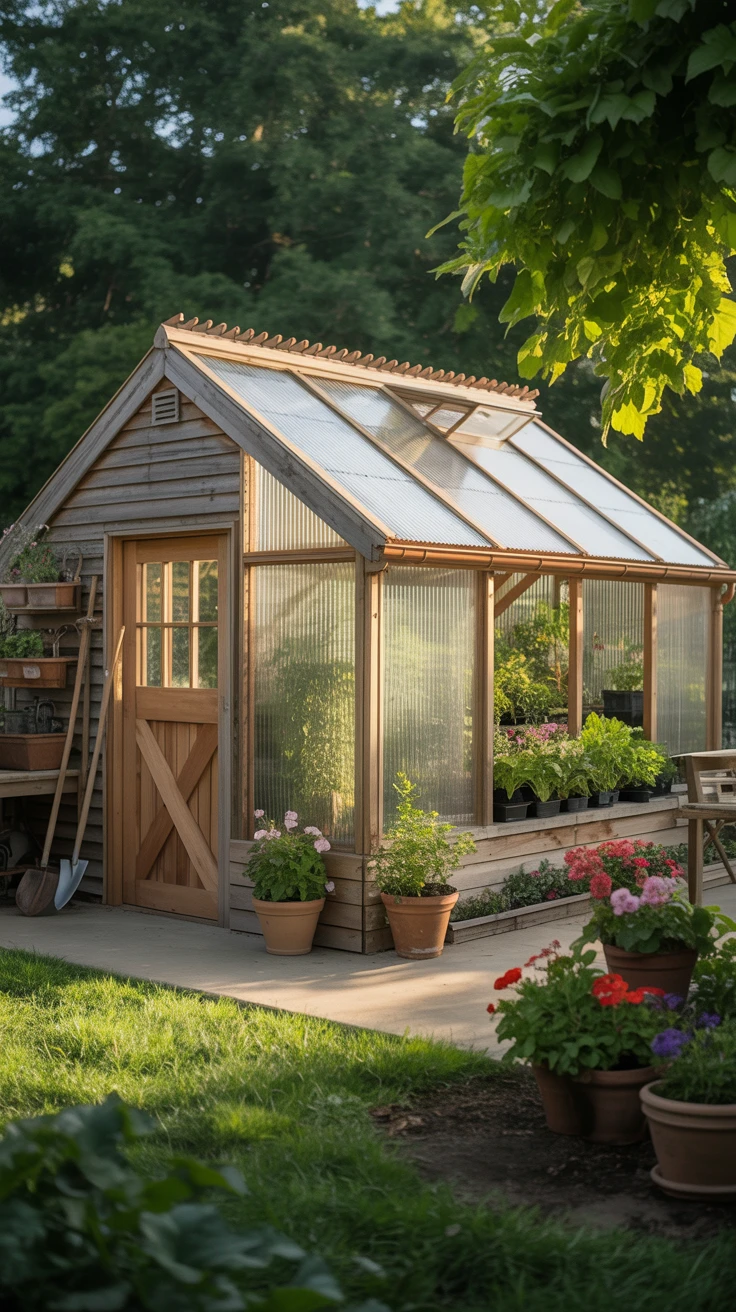
One of my most practical creations was a combination storage shed and greenhouse. I built a standard shed structure but replaced one wall and half the roof with clear polycarbonate panels.
This dual-purpose building gives me storage space for tools while providing a warm, sunny area for starting seedlings. The clear panels cost more than regular roofing, but I saved by using them strategically only where needed for light.
Pro Tip: Orient your greenhouse section to face south (in the northern hemisphere) to maximize sun exposure. My first attempt faced east and didn’t get enough afternoon sun for optimal plant growth.
Idea 6: Storage Shed with Sliding Doors
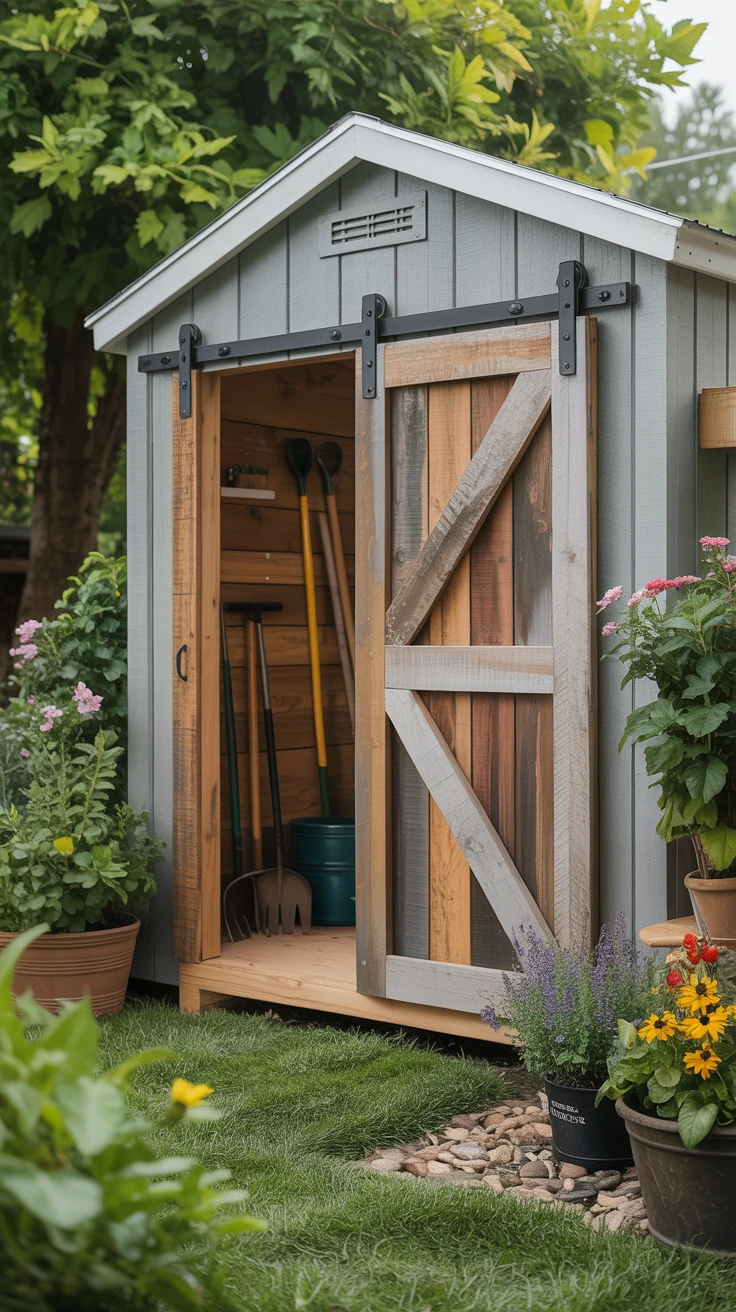
Traditional hinged doors require clearance space to open, which can be problematic in tight spaces. For a narrow side yard shed, I installed sliding doors using hardware designed for barn doors.
The sliding mechanism costs slightly more upfront but saved space and added a stylish element to the shed. I used standard dimensional lumber for the doors themselves, then added diagonal bracing for strength and visual interest.
Idea 7: A-Frame Shed
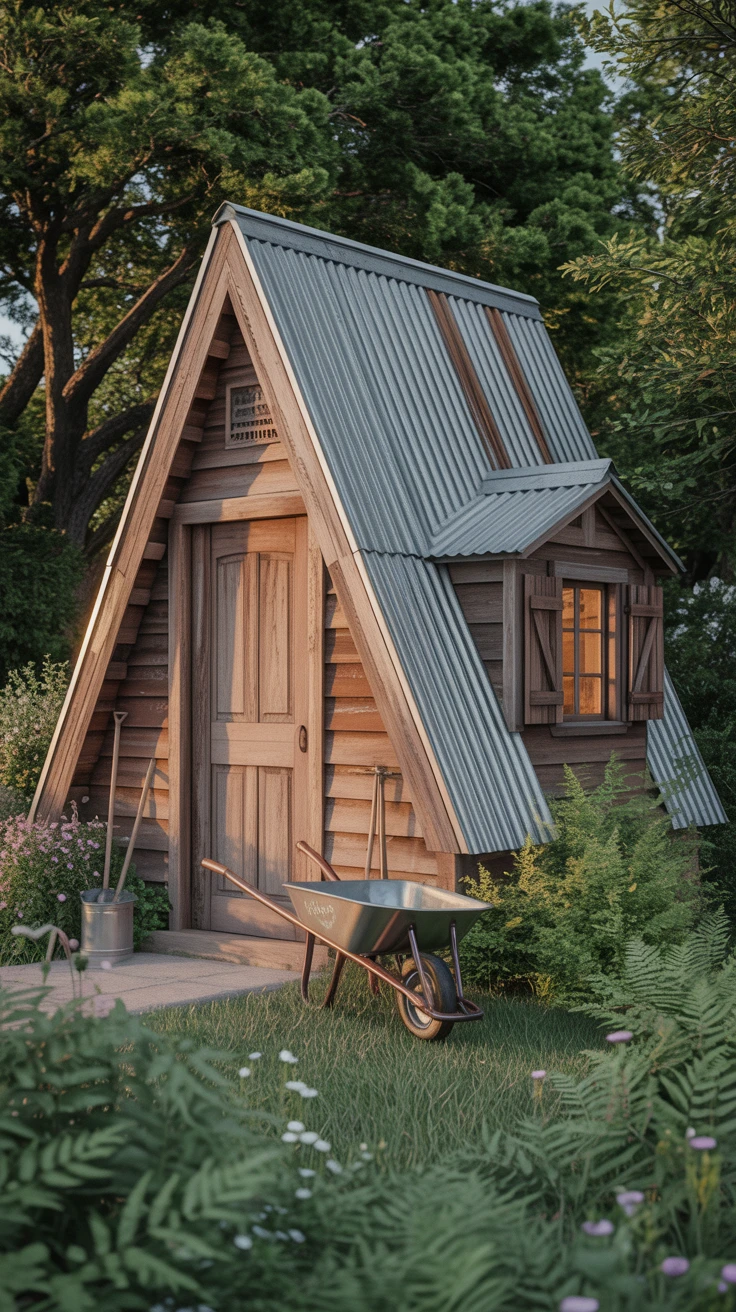
An A-frame design is one of the simplest shed structures to build and excels at shedding snow and rain. The steep roof slopes create a distinctive look while providing practical benefits.
My A-frame shed used fewer materials than a conventional design because the roof also forms the walls. I built it using 2×4 rafters meeting at a ridge board, with plywood sheathing covering the frame. The triangular ends were framed with a door on one side and a small window on the other.
Pro Tip: Make sure your A-frame is wide enough at the base to stand comfortably inside. My first attempt was too narrow, making it awkward to access items stored inside.
Idea 8: Lean-to Shed
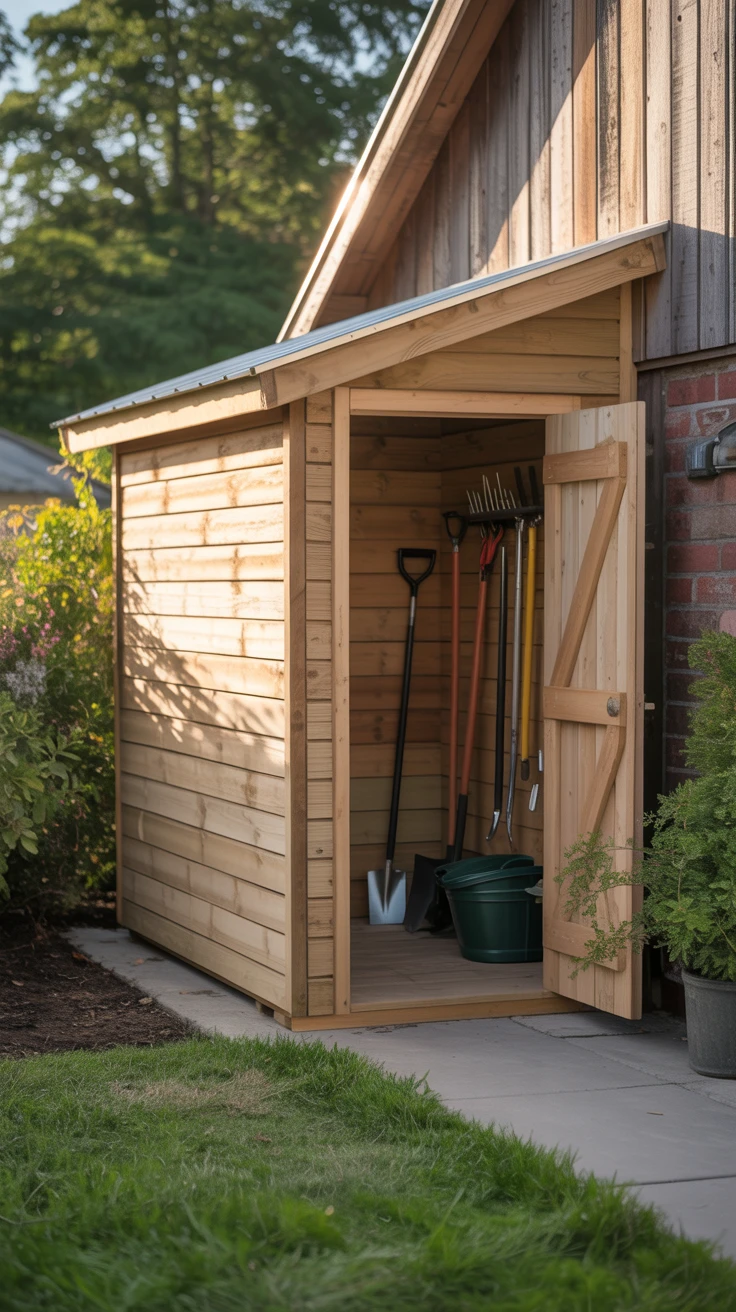
If you’re extremely budget-conscious, a lean-to shed attached to an existing structure is hard to beat. By using your house, garage, or fence as one wall, you immediately reduce material costs by 25%.
I built a lean-to shed against my garage using pressure-treated 4×4 posts set in concrete at the corners, with a simple sloped roof draining away from the main building. This design required minimal materials and took just a weekend to complete.
Idea 9: Modern Cube Shed
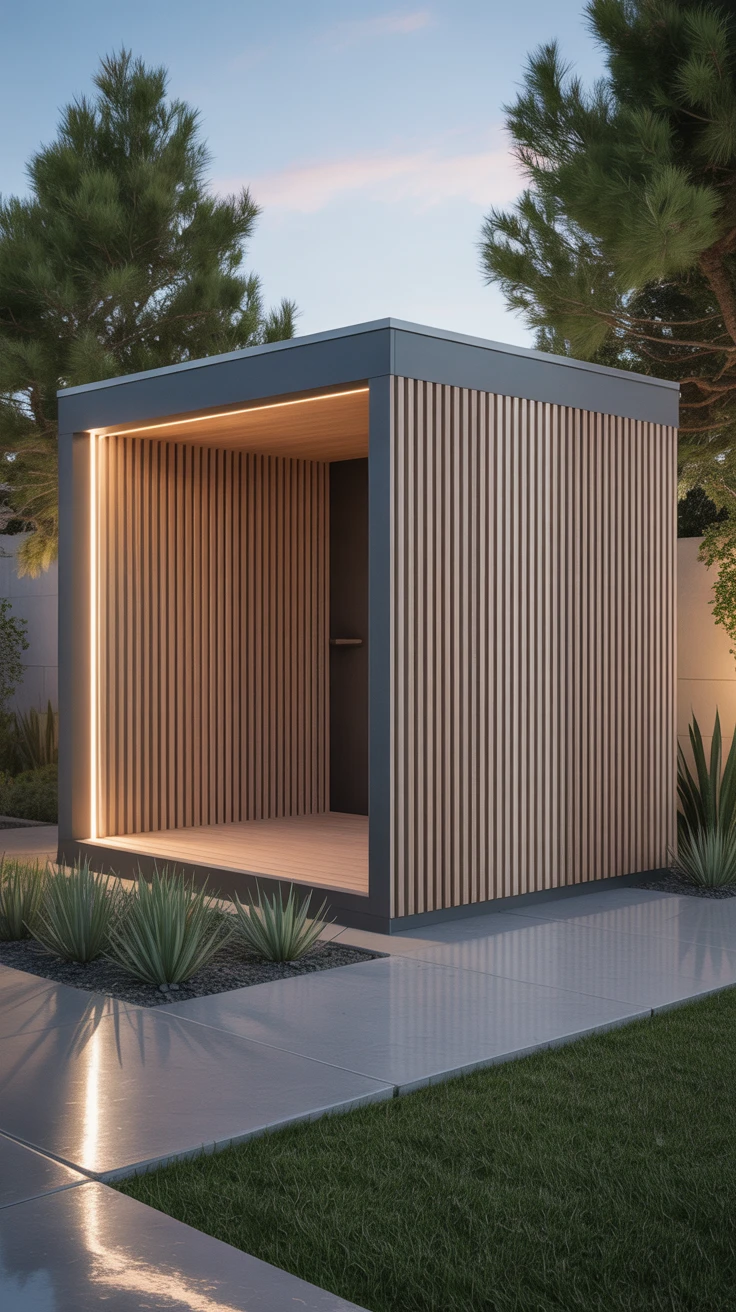
For a contemporary look that complements modern homes, a cube-shaped shed with clean lines makes a statement. Despite its stylish appearance, this can still be a **budget DIY shed** if you keep the design simple.
I created a 6’x6’x6′ perfect cube using standard framing techniques, then covered it with vertical cedar fence boards spaced slightly apart for a slatted effect. The flat roof was carefully waterproofed with EPDM rubber roofing material.
Idea 10: Cottage Style Shed
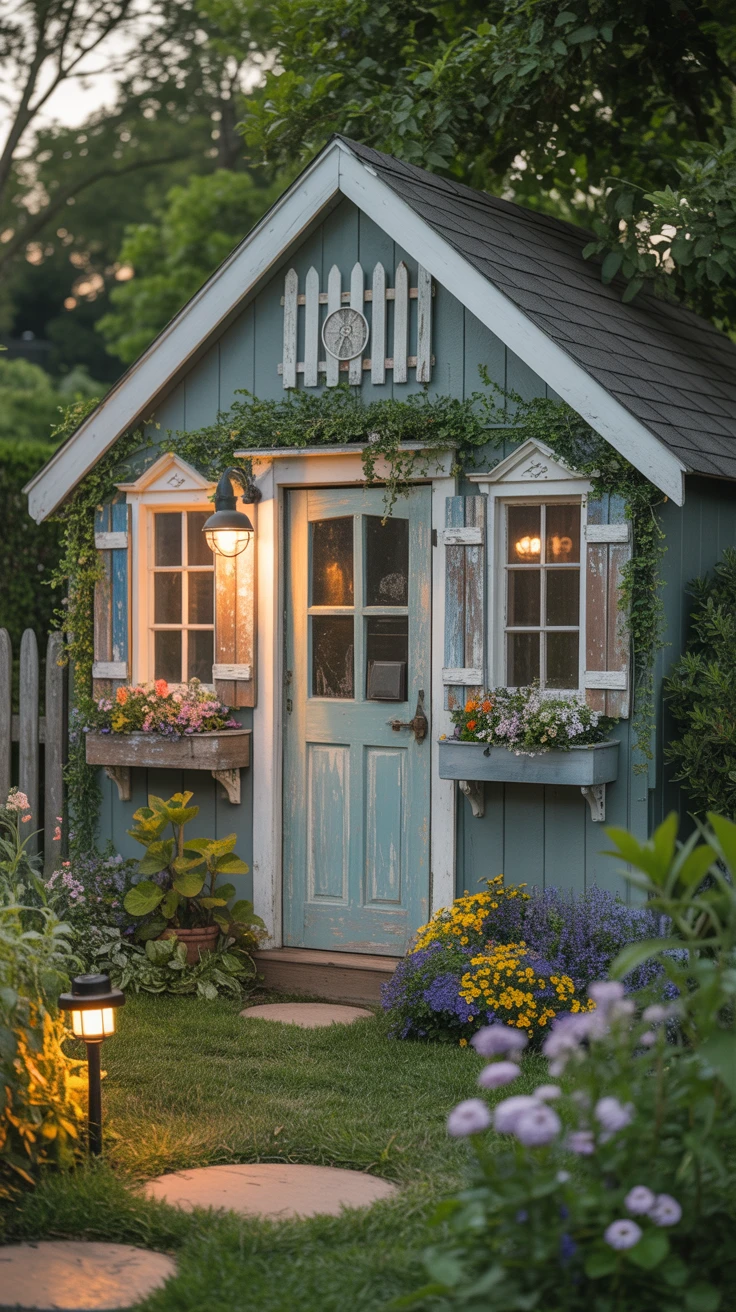
Adding charming details doesn’t have to cost much. I transformed a basic shed into a cottage-style garden feature by adding simple decorative elements like window boxes, shutters made from fence pickets, and a dutch door.
The structure itself was built economically, but the decorative touches gave it character. I even added solar-powered path lights on either side of the door for a welcoming glow at night.
Pro Tip: Salvaged architectural elements like old windows, doors, and hardware can add authentic charm at minimal cost. I found vintage door handles at a restore for just $5 that would have cost $30+ new.
Idea 11: Hexagonal Shed
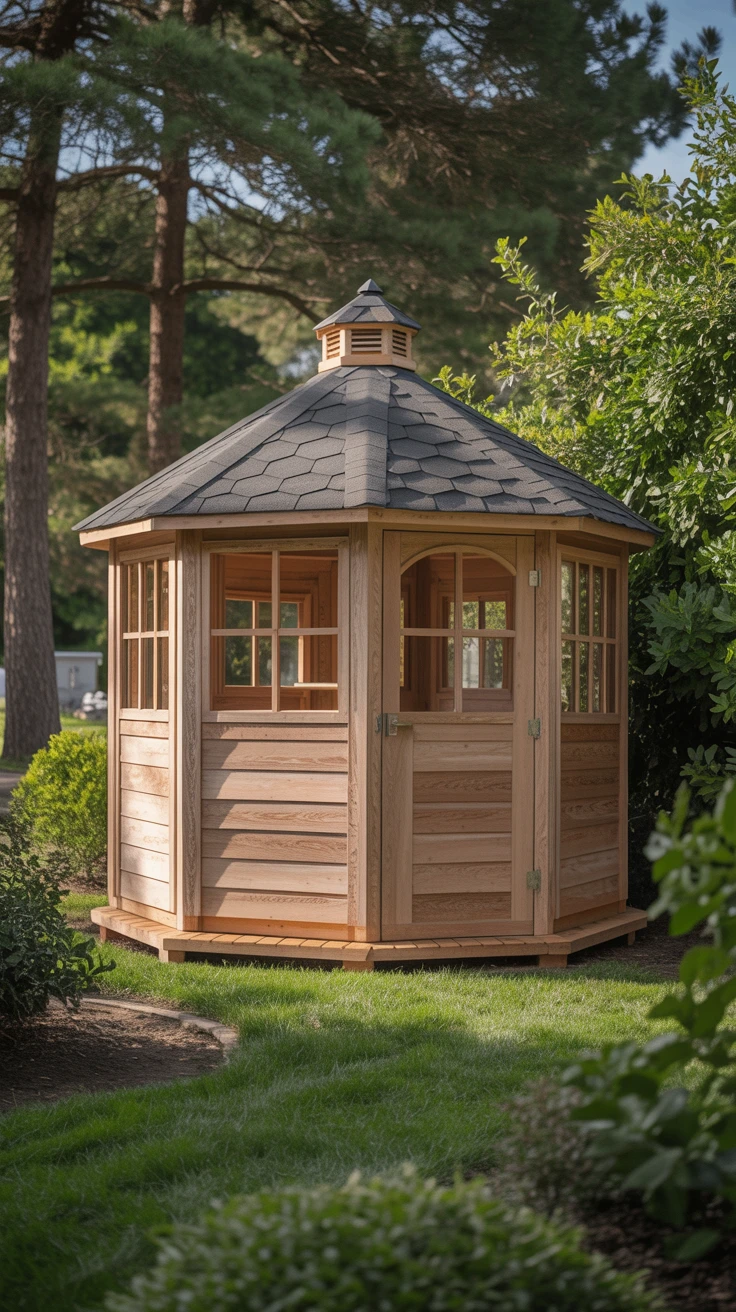
While it sounds complex, a hexagonal shed isn’t much harder to build than a square one once you understand the angles. The unique shape creates visual interest and actually provides efficient interior space.
I built a 8-foot-wide hexagonal shed using 2×4 framing and T1-11 siding. The six-sided shape required some careful measuring and cutting, but the result was worth the extra effort. For the roof, I created a simple hexagonal pyramid topped with a small cupola for ventilation.
Idea 12: Corner Shed
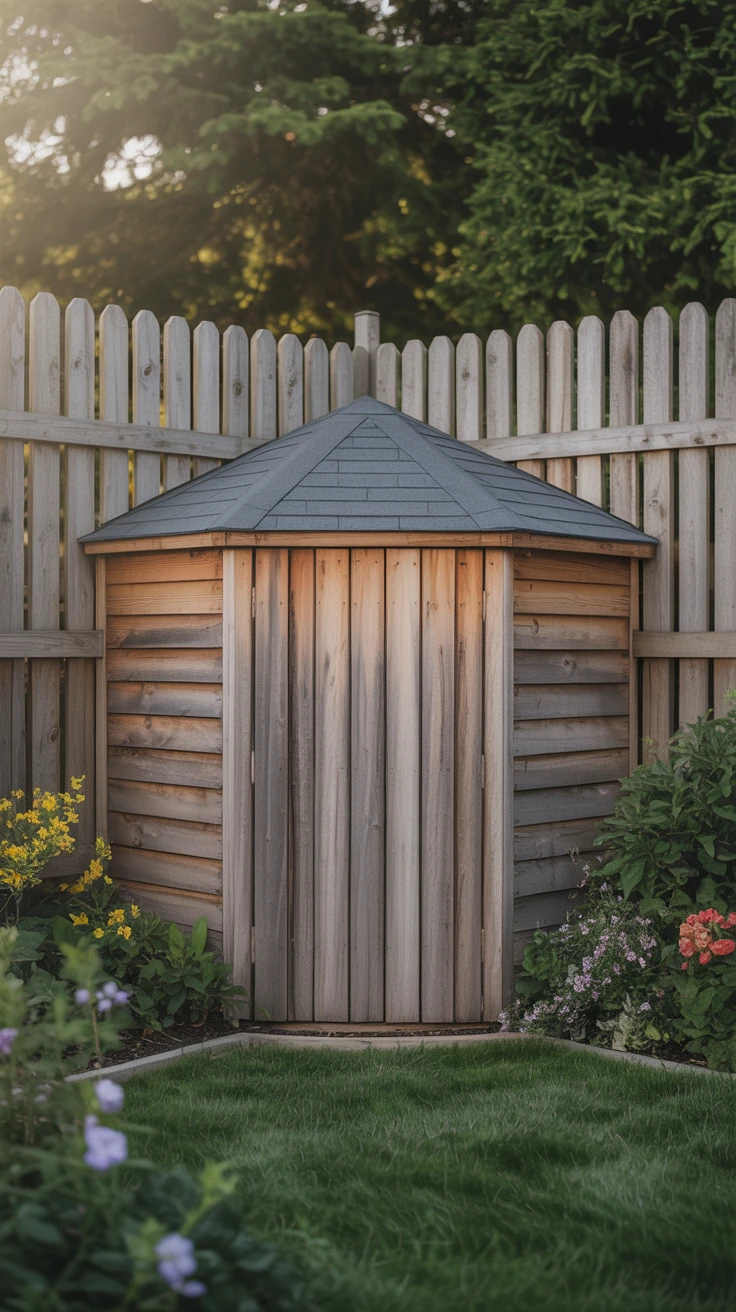
Maximizing awkward spaces is a hallmark of budget-conscious design. A corner shed designed to fit into the right angle between two fence lines makes use of otherwise wasted space.
My corner shed design has a five-sided floor plan that tucks neatly into the corner. I used the existing fences as part of the structure, attaching the new walls directly to the fence posts after reinforcing them. This saved on materials and created a seamless look.
Pro Tips for Building DIY Budget Sheds
After building numerous sheds over the years, I’ve learned several money-saving tricks:
- Plan around standard material dimensions to minimize waste
- Use salvaged windows and doors from renovation projects or habitat restores
- Skip the shed floor for very basic storage by using a gravel base instead
- Substitute less expensive materials where they won’t affect structural integrity
- Build in phases if your budget is extremely tight
- Share costs with neighbors by building matching sheds with a shared wall
Pro Tip: Always check local building codes before starting. Many municipalities allow sheds under a certain size (often 100-200 square feet) without permits, but requirements vary widely. I once had to modify a completed shed because I missed a setback requirement!
Conclusion
Building your own garden shed doesn’t require a master carpenter’s skills or a hefty budget. With some creativity, basic tools, and the willingness to learn as you go, you can create functional, attractive storage for a fraction of the cost of pre-built options.
I’ve personally found that DIY budget sheds often end up being more durable and better suited to my needs than commercial alternatives. Plus, there’s the immeasurable satisfaction of stepping back and admiring something you built with your own hands.
Whether you opt for the simplicity of a pallet shed, the charm of a cottage design, or the practicality of a lean-to, your DIY shed will be a valuable addition to your garden space. So gather your tools, start collecting materials, and get building!
Frequently Asked Questions
How much does it cost to build a DIY shed?
In my experience, costs range from as little as $100-200 for a basic pallet shed using mostly recycled materials to $500-800 for a more substantial structure with new materials. This compares favorably to pre-built sheds that typically start at $1,500-2,000 for similar sizes.
What are the essential tools needed for building a shed?
At minimum, you’ll need a hammer, saw (circular or hand), drill, measuring tape, level, and square. Safety equipment like gloves and eye protection is also essential. While additional tools like miter saws and nail guns make the job easier, they’re not strictly necessary for basic shed construction.
How long does it take to build a DIY shed?
Most of the sheds I’ve built took 2-4 weekends to complete, depending on complexity and size. Simple designs like lean-tos or pallet sheds might be completed in a single weekend, while more elaborate designs could take several weeks of part-time work.
Can I build a shed without a permit?
This varies by location. In many areas, sheds under a certain size (often 100-200 square feet) don’t require permits, but there may still be rules about placement, height, and appearance. Always check with your local building department before starting construction to avoid potential fines or having to remove your completed shed.
What is the best material for a budget-friendly shed?
Pressure-treated lumber for the frame and plywood or oriented strand board (OSB) for sheathing offers the best balance of cost, durability, and ease of use for most DIY builders. For extremely tight budgets, recycled materials like pallets, reclaimed lumber, or repurposed building materials can drastically reduce costs while still creating functional storage.