
Introduction
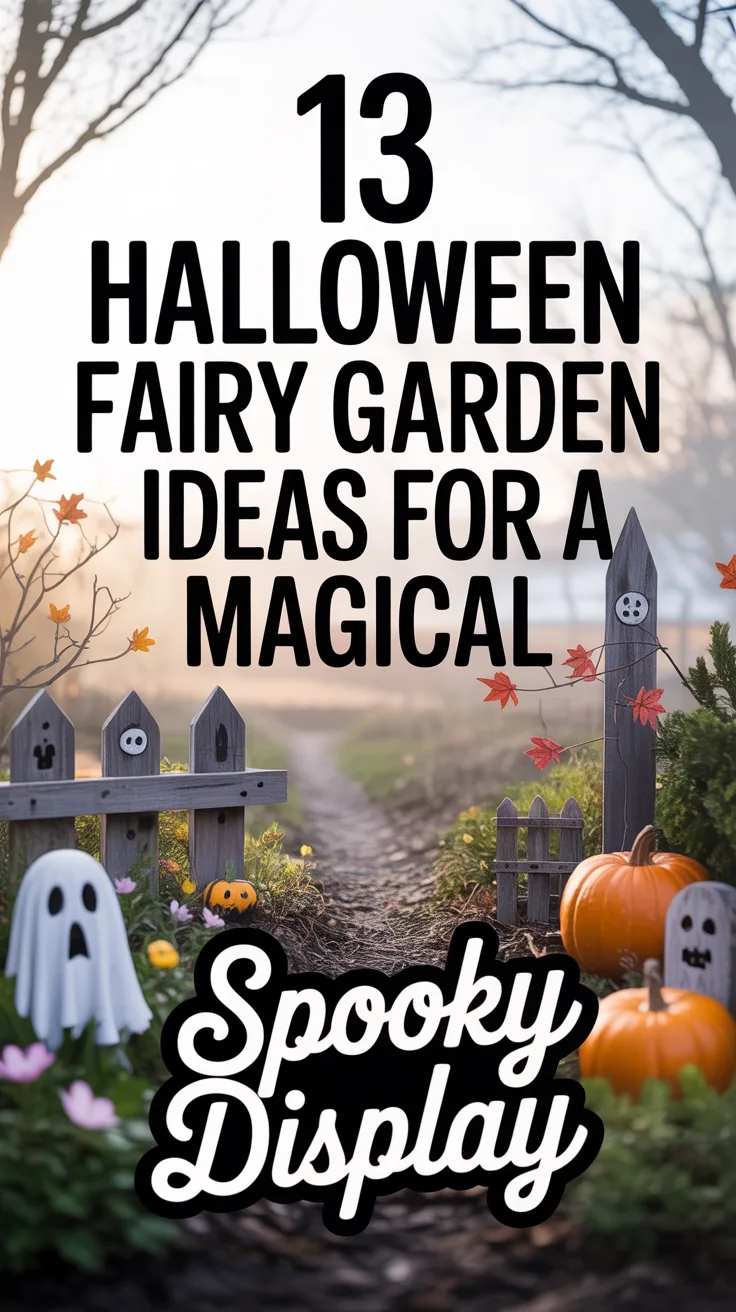
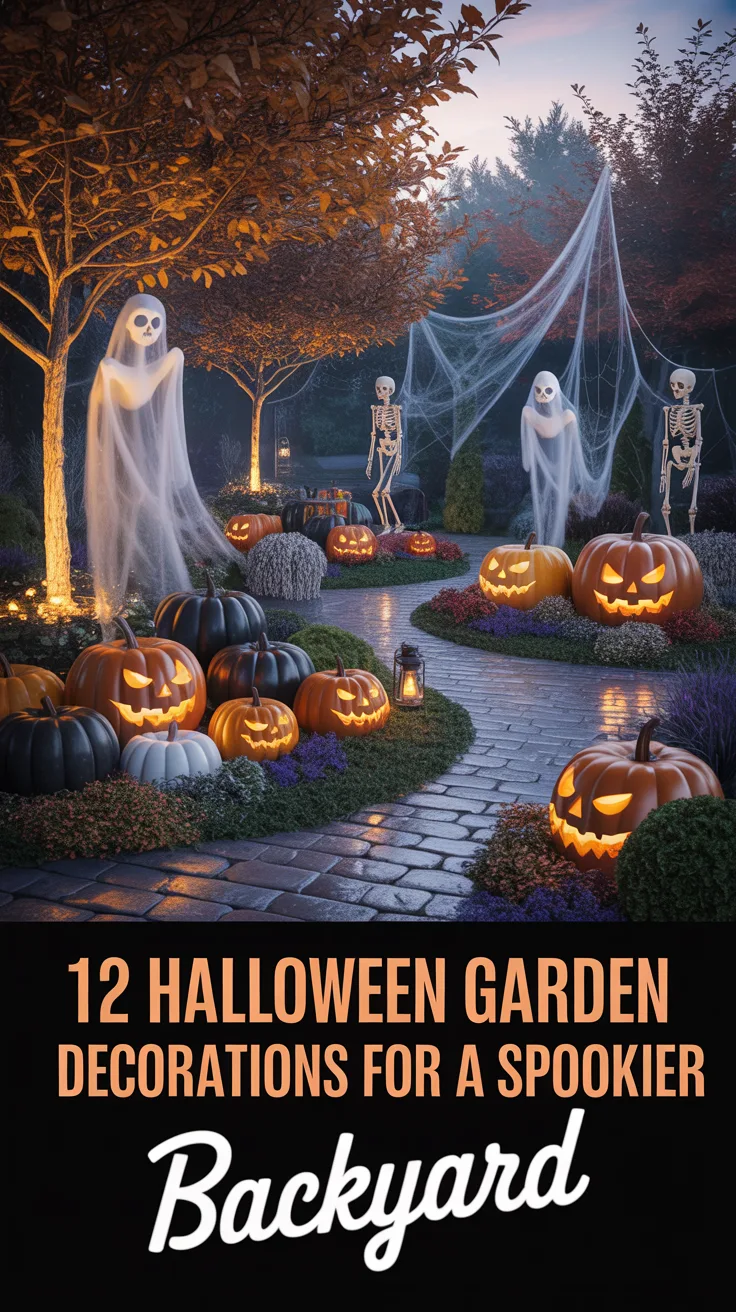
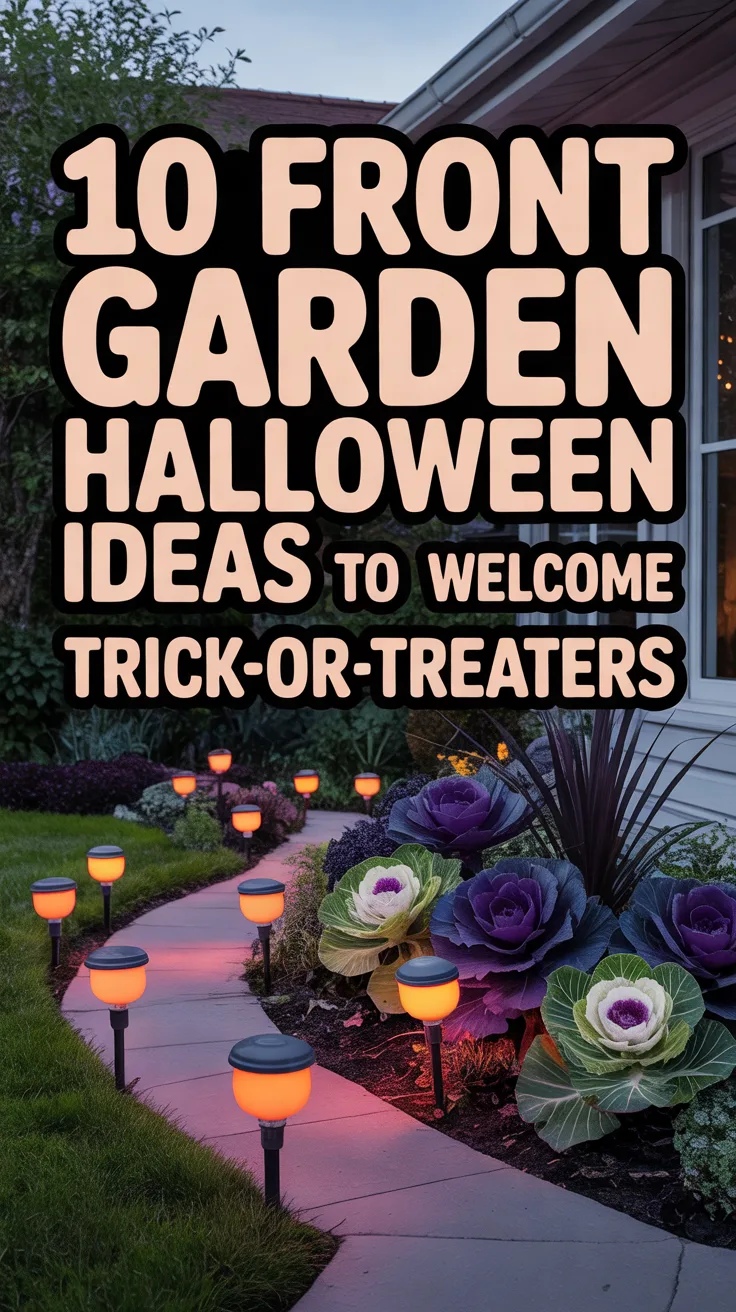
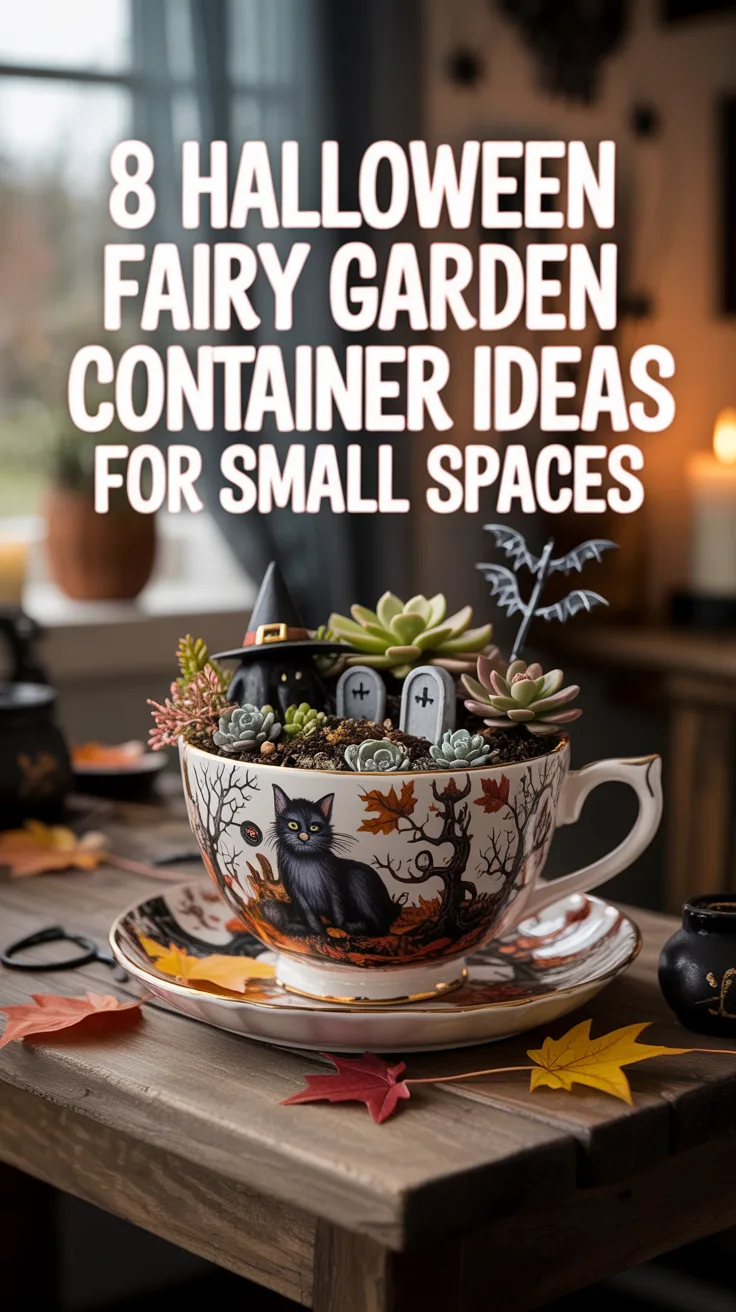
When autumn arrives and shadows grow longer, miniature garden enthusiasts have the perfect opportunity to transform their whimsical displays into something delightfully spooky. A Halloween fairy garden combines the enchanting appeal of tiny landscapes with the mysterious atmosphere of the haunted season, creating captivating displays that spark imagination and celebrate the spirit of October.
Whether displayed on a porch, nestled in a garden bed, or arranged as a tabletop centerpiece, haunted fairy gardens offer endless creative possibilities. From crumbling miniature mansions to spectral figures drifting through moonlit paths, these tiny scenes capture the essence of Halloween in a uniquely charming way. The following ideas will inspire anyone looking to add a touch of the supernatural to their miniature gardening hobby.
1. The Abandoned Victorian Mansion
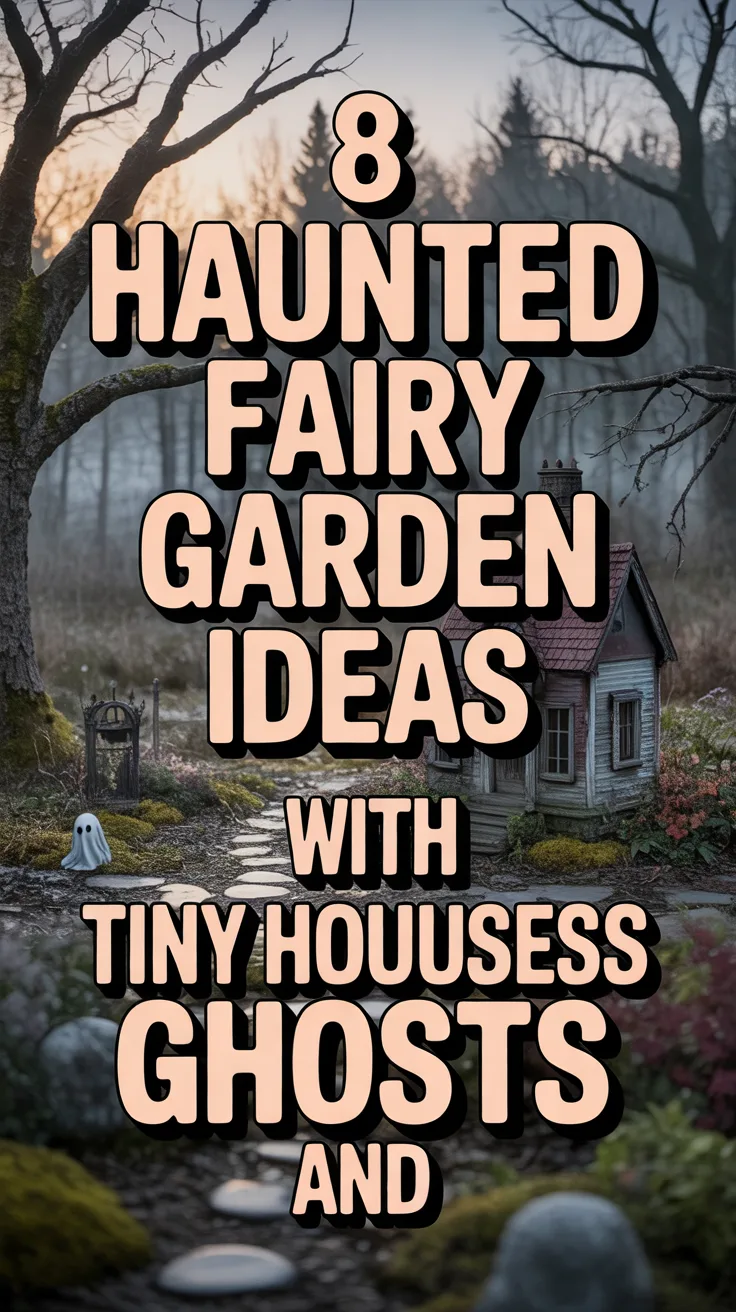
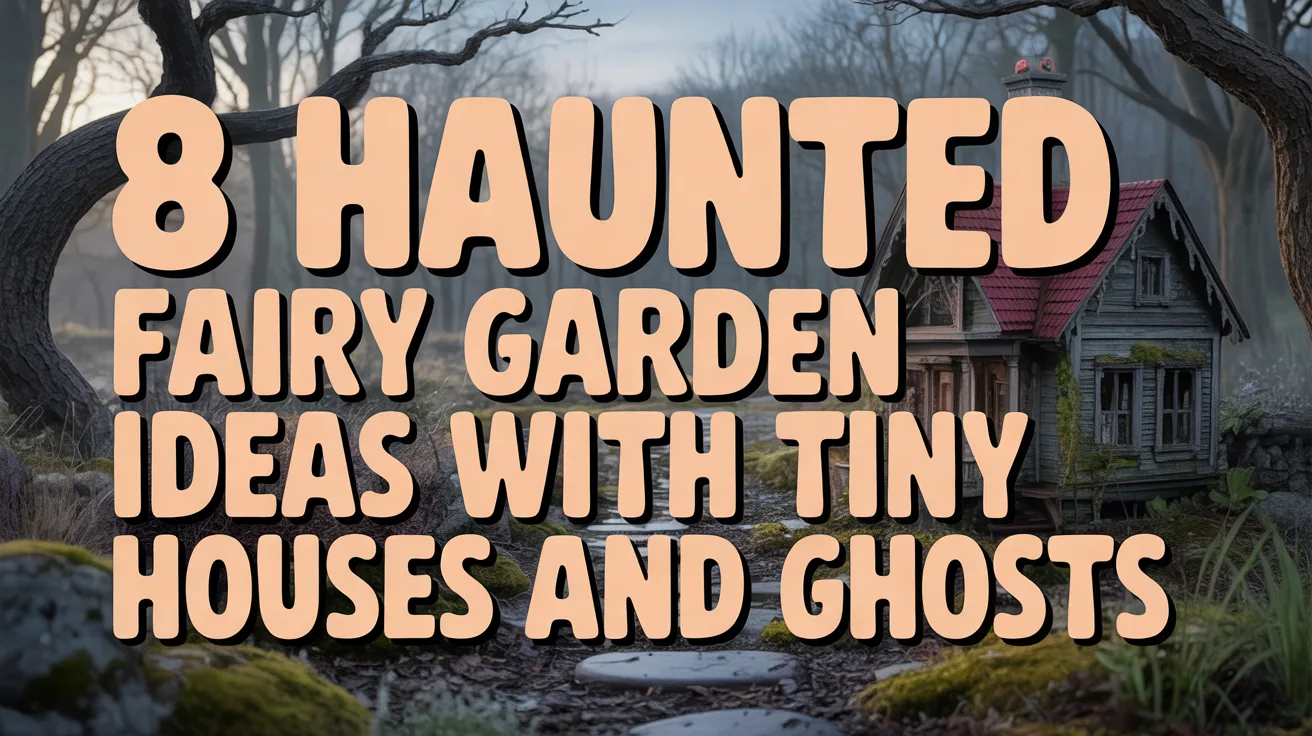
Nothing captures haunted elegance quite like a weathered Victorian-style miniature house. This classic Halloween fairy garden centerpiece features architectural details like tiny shutters hanging askew, broken windows with tattered curtains, and a sagging wraparound porch. The key to achieving an authentically abandoned look lies in the finishing techniques applied to the structure.
To create this effect, start with a basic fairy house and apply layers of gray and brown paint, then dry-brush with lighter shades to simulate peeling paint and age. Add moss or lichen to the roof and foundation to suggest years of neglect. Surround the mansion with overgrown vegetation using dried herbs, miniature dead trees, and tangled wire vines.
Pro Tip: Apply a thin wash of watered-down black acrylic paint to window openings and doorways to create the illusion of dark, mysterious interiors that draw viewers into the scene.
2. Ghostly Figures and Spectral Visitors
Every haunted garden needs its supernatural residents. Miniature ghost figures add movement and storytelling elements to the display, whether they appear to float through doorways, hover over gravestones, or gather in ethereal groups beneath twisted trees.
Creating custom ghosts is surprisingly simple using the following materials:
- White polymer clay shaped into flowing forms
- Cheesecloth dipped in fabric stiffener and draped over wire armatures
- Small white fabric scraps gathered and tied with thread
- Translucent resin cast in ghost-shaped molds
- White air-dry clay sculpted into wispy shapes
Position ghost figures at varying heights throughout the garden using clear acrylic rods or fishing line to create the illusion of floating. Grouping multiple ghosts together suggests a haunting gathering, while a solitary figure near a grave tells a more melancholy story.
3. Miniature Graveyard Scenes
A tiny cemetery serves as the atmospheric heart of many haunted fairy gardens. This element provides opportunities for detailed craftsmanship and personalized touches that make each display unique. Miniature headstones can be crafted from polymer clay, carved foam, flat stones, or purchased pre-made from craft suppliers.
Essential graveyard components include:
- Varied headstone shapes and sizes for visual interest
- A wrought-iron style fence made from black wire or toothpicks
- Tiny flower arrangements or dead bouquets
- Scattered autumn leaves and moss
- A miniature shovel or lantern for storytelling details
Pro Tip: Add tiny names and dates to headstones using a fine-point permanent marker or transfer letters. Humorous epitaphs like “Here Lies Barry D. Alive” add playful Halloween spirit to the scene.
4. Twisted Pathways and Eerie Landscaping
The landscape surrounding haunted structures sets the mood for the entire Halloween fairy garden. Winding pathways that disappear into shadowy corners create mystery and invite viewers to imagine what lies beyond. Unlike cheerful fairy gardens with neat pebble paths, haunted versions benefit from irregular, overgrown trails.
Create atmospheric pathways using crushed black gravel, dark gray sand, or painted pebbles. Add cracks and broken sections to suggest age and neglect. Border paths with dead twigs, dried moss in dark colors, and miniature bare trees with gnarled branches reaching toward the sky.
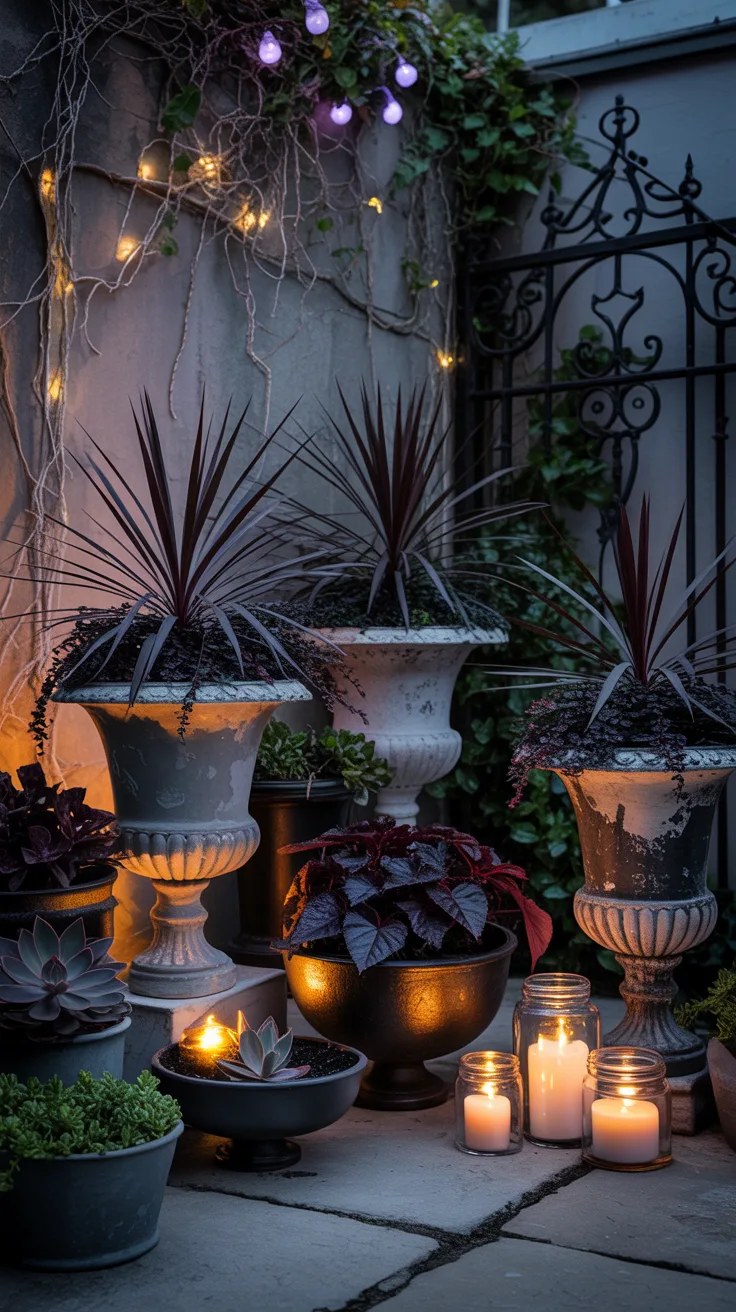
Landscaping elements that enhance the haunted atmosphere include purple and black succulents, dark-leaved plants like black mondo grass, dried seed pods, and strategically placed cobwebs made from stretched cotton or specialty Halloween webbing.
5. The Witch’s Cottage Corner
A witch’s dwelling adds magical menace to any haunted display. This tiny house differs from abandoned mansions by appearing actively inhabited—just by someone with supernatural tendencies. The cottage should look crooked and organic, as if it grew from the earth rather than being built.
Accessorize the witch’s cottage with miniature cauldrons, tiny brooms leaning against walls, strings of garlic or dried herbs hanging from the eaves, and mysterious bottles filled with colored resin or painted to suggest potions. A miniature black cat perched on a windowsill or a tiny raven on the rooftop completes the witchy aesthetic.
Pro Tip: Create a glowing cauldron effect by placing a small LED tea light beneath a translucent miniature cauldron, giving the impression of bubbling magical brew.
6. Haunted Pumpkin Patch Display
Combining traditional Halloween imagery with fairy garden elements, a haunted pumpkin patch creates a seasonally appropriate scene. Tiny pumpkins scattered across the landscape—some cheerful, others carved with menacing faces—establish the October setting while leaving room for supernatural elements.
Miniature pumpkins can be crafted from orange polymer clay, painted wooden beads, or small dried gourds. Arrange them in clusters around a dilapidated farm stand or abandoned cart. Add a scarecrow figure that appears slightly too lifelike, crows perched on fence posts, and perhaps a ghostly farmer tending the eternal harvest.
7. The Foggy Swamp Scene
For those seeking a more atmospheric approach, a swamp-themed haunted garden offers unique creative possibilities. This design features murky water effects, twisted driftwood, hanging moss, and creatures lurking beneath the surface. The color palette shifts toward greens, browns, and murky blues.
Create the illusion of swamp water using resin tinted with green and brown alcohol inks, or simply use dark-colored sand or gravel to suggest muddy depths. Add miniature cypress trees with hanging Spanish moss made from gray embroidery floss or natural lichen. A tiny rowboat half-submerged or a rickety dock extending into the swamp adds narrative elements.
Pro Tip: Incorporate glow-in-the-dark paint on select elements like ghost figures or mysterious eyes peering from the water to create an entirely different experience after dark.
8. The Skeleton Tea Party
Adding whimsy to the macabre, a skeleton tea party scene brings humor and charm to the Halloween fairy garden. This concept features miniature skeleton figures arranged around tiny furniture, engaged in an eternal social gathering. The juxtaposition of domestic normalcy with skeletal participants creates an irresistibly quirky display.
Source miniature skeleton figures from craft stores, Halloween decoration sections, or model railroad suppliers. Arrange them on tiny chairs around a miniature table set with cups and saucers. Add a skeleton host pouring tea, guests in animated conversation poses, and perhaps a skeleton pet beneath the table. Surround the party with autumn decorations and subtle haunted elements.
Frequently Asked Questions
What materials work best for outdoor Halloween fairy gardens?
Weather-resistant materials like resin figures, polymer clay sealed with outdoor varnish, metal accessories, and natural elements such as stones and driftwood withstand autumn conditions best. Avoid paper or unsealed wood that may deteriorate with moisture.
How can lighting enhance a haunted fairy garden display?
Battery-operated LED tea lights, fairy string lights in orange or purple, and solar-powered miniature lanterns add magical ambiance. Place lights inside structures to create glowing windows or beneath translucent elements for an ethereal effect.
Can haunted fairy gardens be converted back to regular fairy gardens?
Absolutely. Design the base landscape with neutral elements and simply swap seasonal accessories. Remove Halloween figures and decorations after the season, replacing them with cheerful fairy garden elements for year-round enjoyment.
What size container works best for a haunted fairy garden?
Containers ranging from 12 to 24 inches in diameter provide adequate space for detailed scenes while remaining manageable. Shallow containers like terra cotta saucers, wooden crates, or vintage drawers work particularly well for tabletop displays.
Where can miniature Halloween accessories be purchased?
Craft stores, online marketplaces, dollhouse miniature suppliers, model railroad shops, and Halloween decoration retailers all offer suitable accessories. Many crafters also create custom pieces using polymer clay, wire, and found objects.