
Introduction
The allure of a poison garden Halloween theme lies in its perfect blend of botanical beauty and sinister mystery. Inspired by famous toxic gardens like the Alnwick Garden’s Poison Garden in England, this decorating approach transforms ordinary outdoor spaces into captivating displays of dark horticulture. Whether hosting a Halloween party or simply wanting to create an unforgettable seasonal atmosphere, a poison garden theme offers sophisticated spookiness that goes beyond typical decorations.
This guide explores nine creative ways to bring the haunting elegance of a poison garden to life, complete with gothic containers, eerie plant labels, and atmospheric touches that capture the essence of botanical danger without the actual risks.
1. Create a Gothic Container Garden Foundation
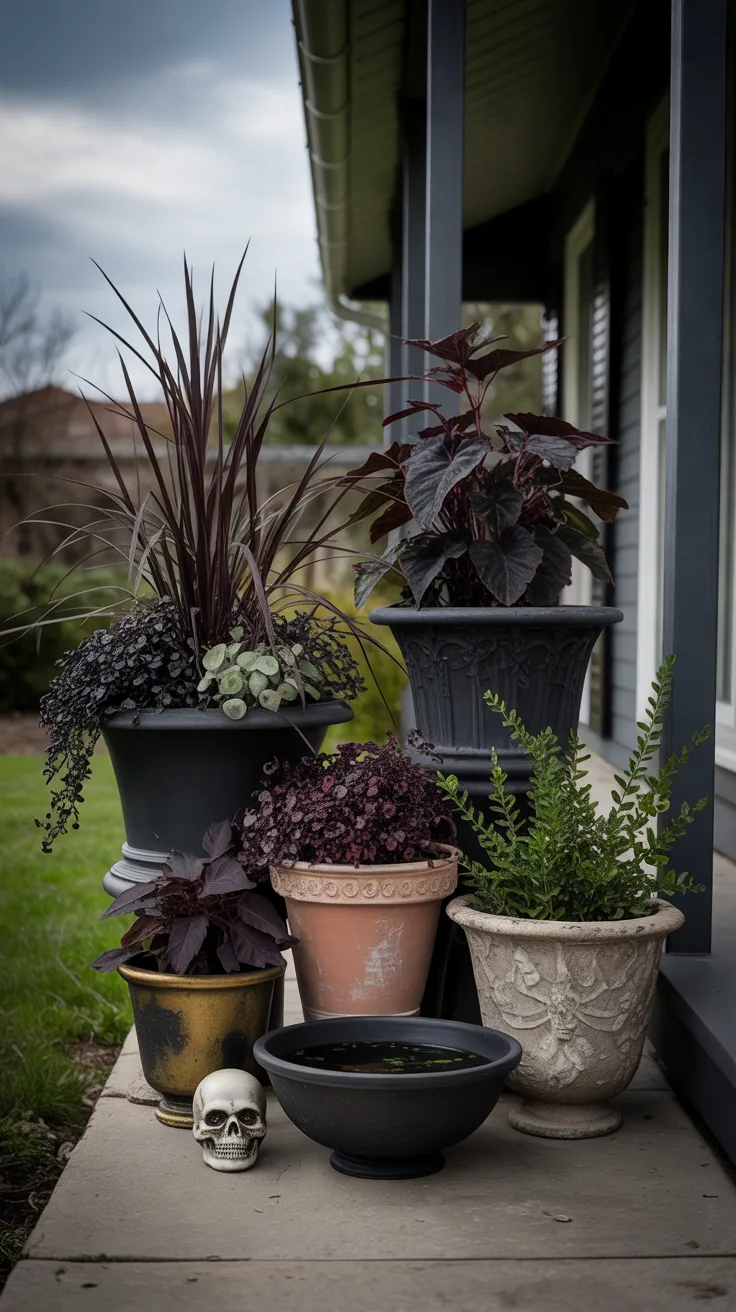
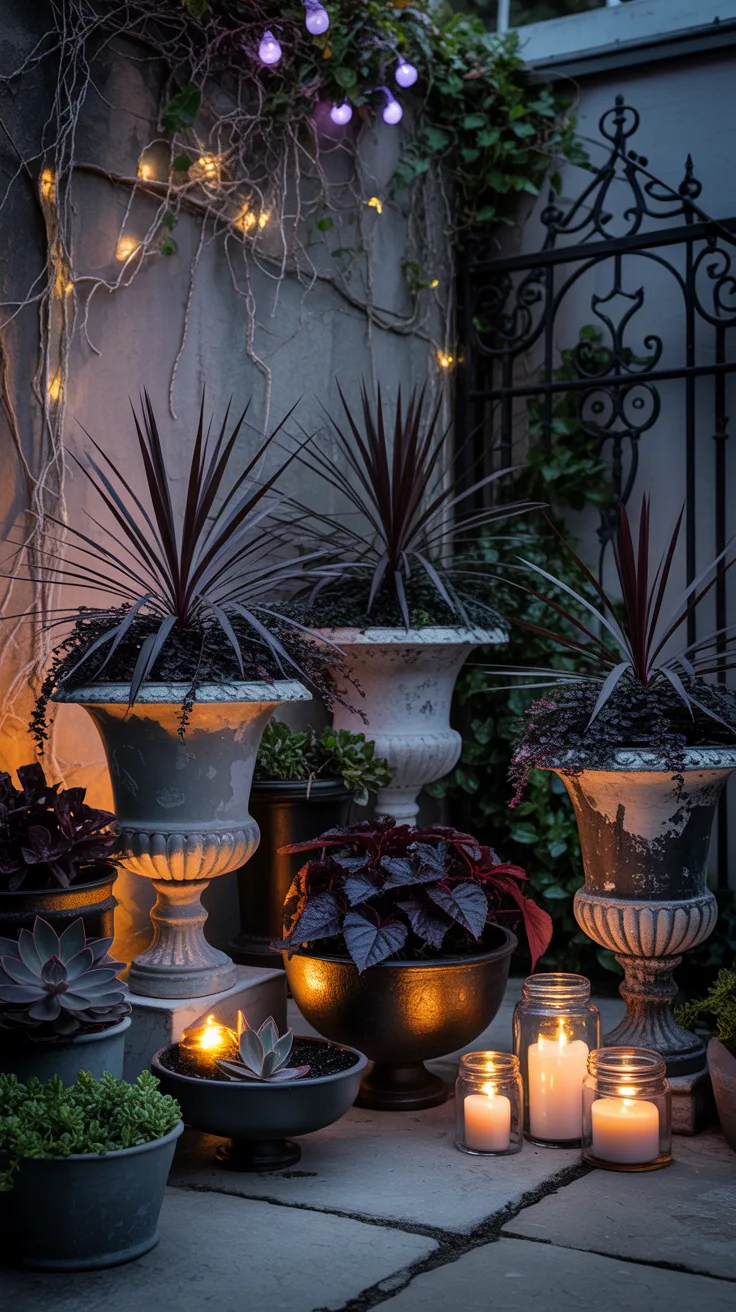
The foundation of any poison garden display begins with the right containers. Opt for weathered urns, aged terracotta pots with faux patina, or black cast iron planters to establish an appropriately ominous aesthetic. Vintage-looking vessels with ornate details, gargoyle motifs, or skull embellishments work particularly well for this theme.
Consider grouping containers of varying heights to create visual interest and depth. Tall, narrow urns can anchor corners while shallow bowls filled with dark-colored succulents or moss add ground-level intrigue.
You can build the foundation of the display with gothic-style garden planters and urns.
Pro Tip: Apply a mixture of yogurt and water to new terracotta pots and leave them outdoors for several weeks before Halloween to encourage natural moss and lichen growth for an authentically aged appearance.
2. Design Authentic-Looking Plant Labels and Warning Signs
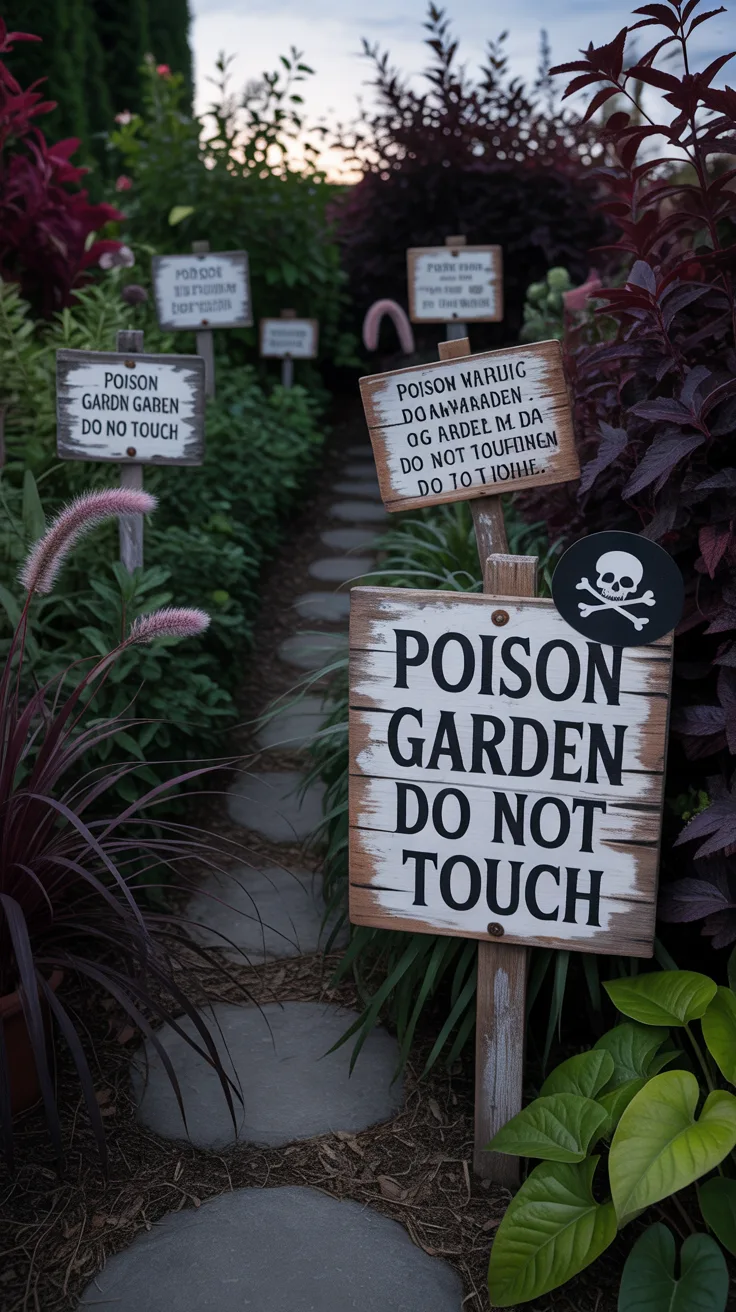
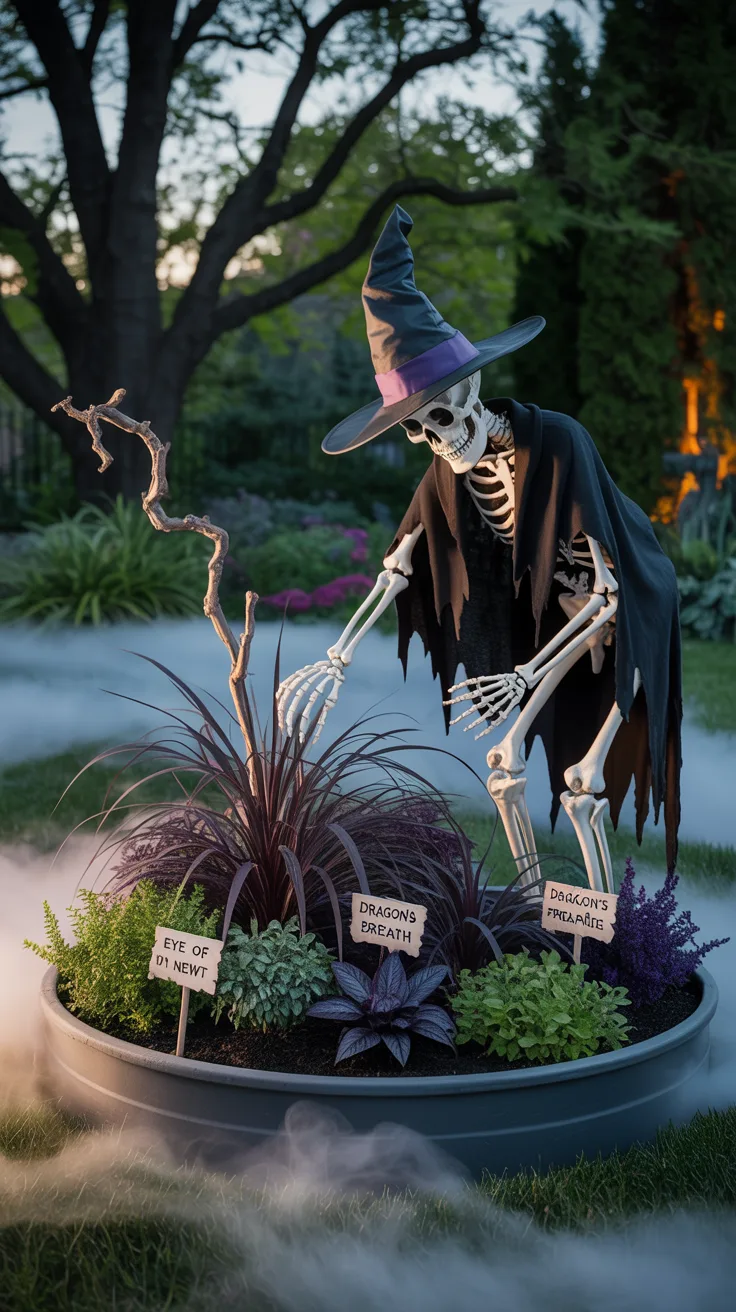
Nothing says poison garden Halloween quite like ominous botanical labels warning visitors of deadly plants. Create aged-looking metal or wooden stakes with handwritten Latin names and skull-and-crossbones symbols. Include fictional or real toxic plant names such as:
- Atropa belladonna (Deadly Nightshade)
- Conium maculatum (Poison Hemlock)
- Digitalis purpurea (Foxglove)
- Aconitum napellus (Wolfsbane)
- Ricinus communis (Castor Bean)
Add weathering effects using tea staining, sandpaper distressing, or black paint dry-brushed into crevices. Position larger warning signs at garden entrances with phrases like “Enter at Your Own Risk” or “Do Not Touch” to enhance the immersive experience.
3. Select Plants with Dark and Dramatic Foliage
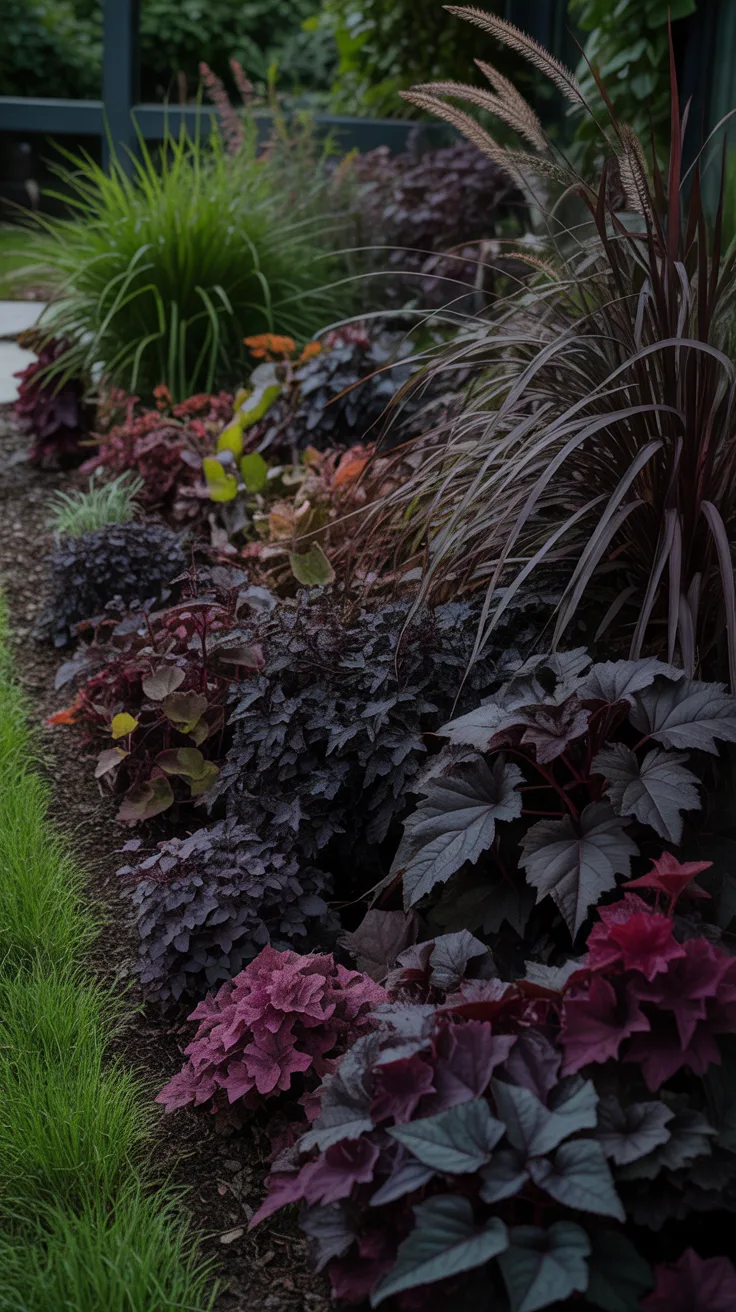
While actual toxic plants should be avoided for safety reasons, many varieties offer the dark, mysterious appearance perfect for a poison garden theme. Focus on plants with deep purple, black, or burgundy foliage that naturally evoke a sense of danger, and verify individual plant safety if children or pets will have access to the display.
Recommended Dark Foliage Plants
- Black mondo grass (Ophiopogon planiscapus ‘Nigrescens’)
- Purple fountain grass (Pennisetum setaceum ‘Rubrum’)
- Black coral elephant ear (Colocasia esculenta ‘Black Coral’)
- Dark-leaved heuchera varieties
- Black petunias (‘Black Velvet’ or ‘Black Cat’)
- Dark coleus varieties
Pro Tip: Incorporate dried or artificial versions of dramatic plants like black roses, dark calla lilies, or preserved ferns to ensure the display remains striking throughout the Halloween season regardless of weather conditions.
4. Incorporate Moody Color Schemes Throughout
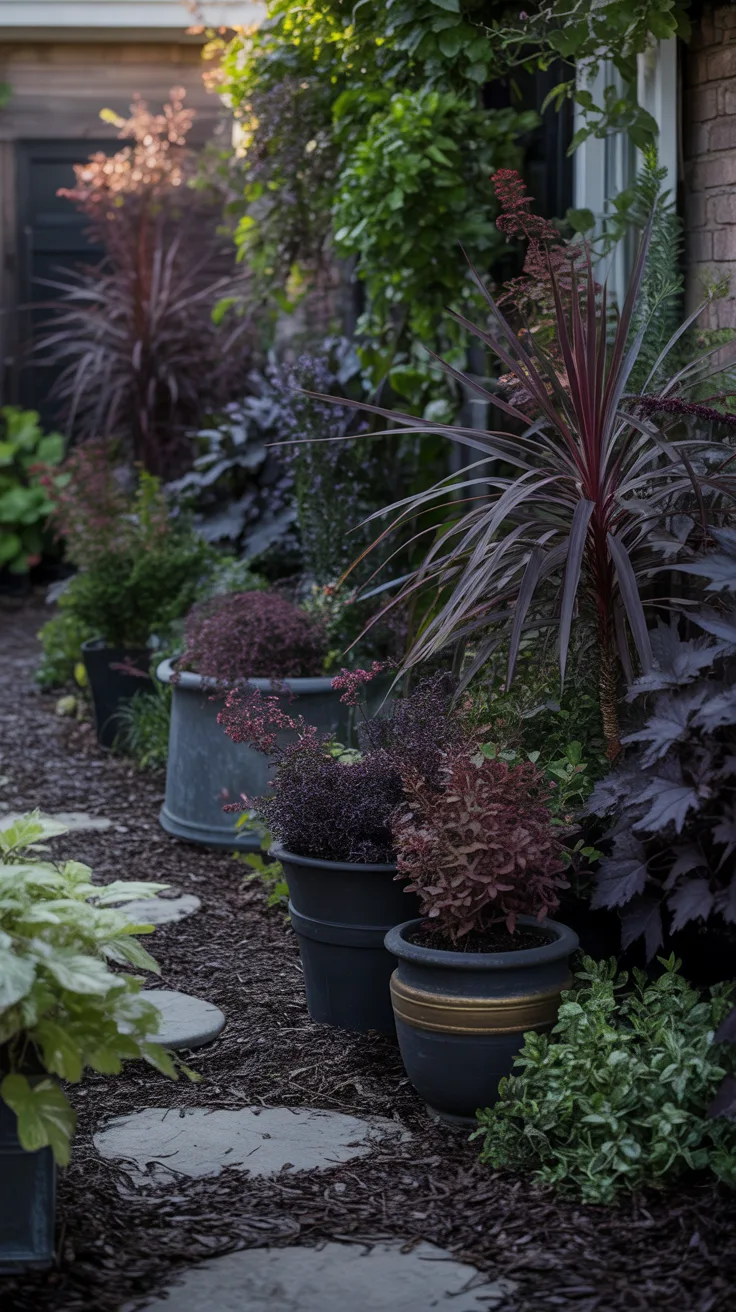
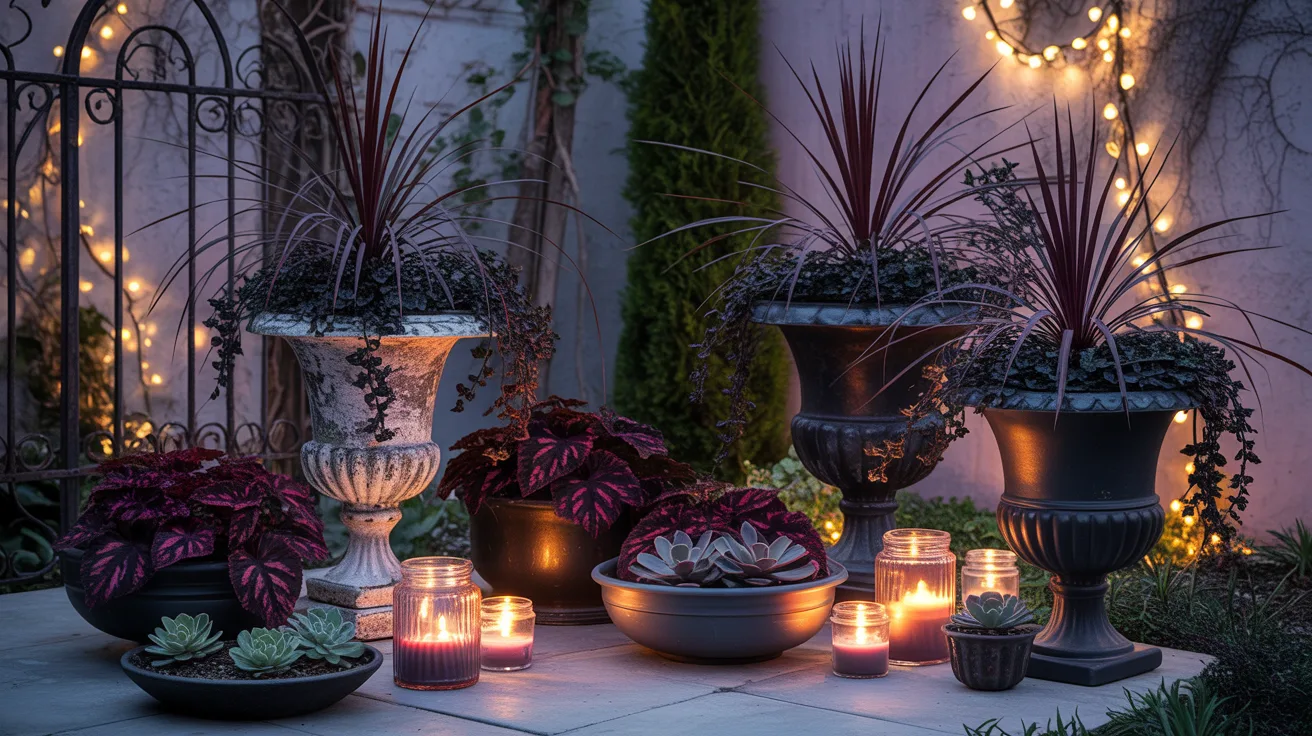
A cohesive color palette elevates a poison garden from scattered decorations to a unified atmospheric experience. The most effective schemes combine deep purples, midnight blacks, forest greens, and touches of blood red or antique gold for accent.
Apply these colors to:
- Container selections and paint treatments
- Fabric draping and tablecloths
- Lighting choices with purple or green tones
- Decorative mulch or ground cover
- Ribbon and signage accents
Avoid relying heavily on bright oranges and yellows typically associated with Halloween if you want to maintain the darker, more sophisticated poison garden aesthetic.
5. Add Atmospheric Lighting for Evening Drama
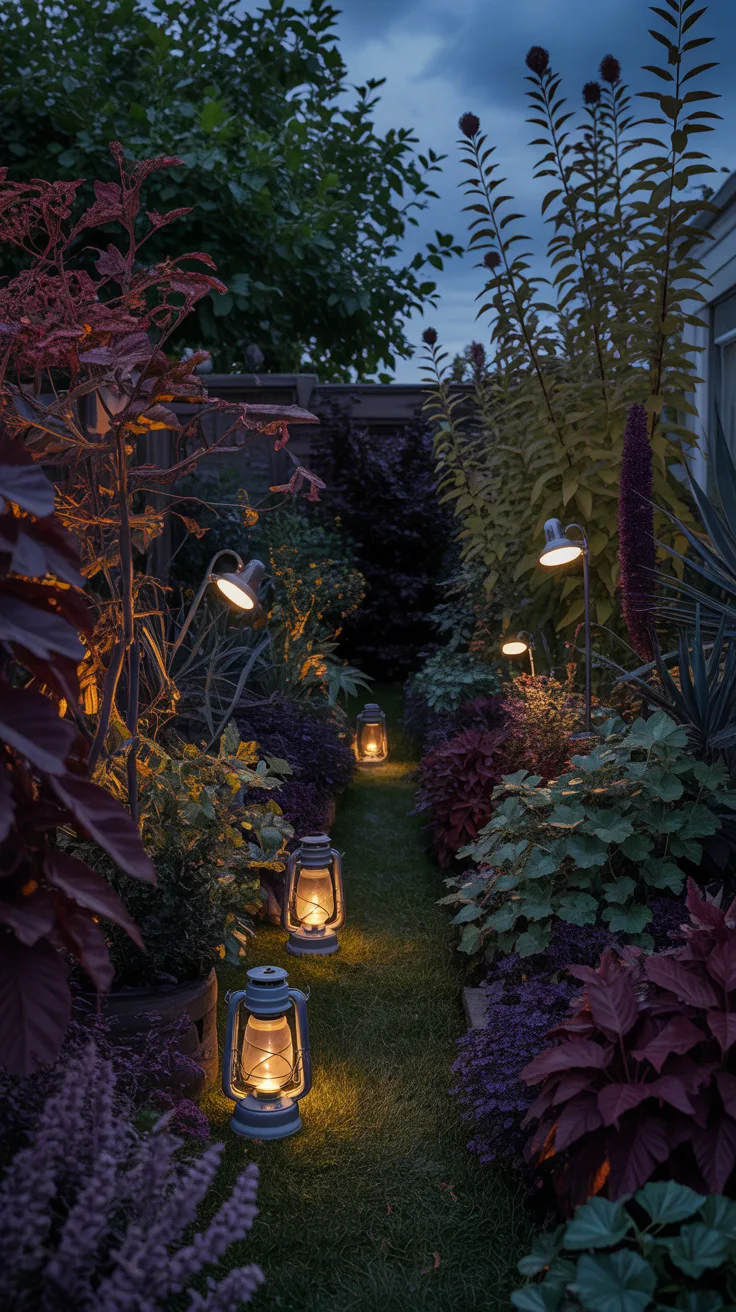
Proper lighting transforms a daytime garden display into a truly haunting nighttime experience. Layer multiple light sources to create depth and shadow, emphasizing the mysterious nature of the poison garden concept.
Effective Lighting Techniques
- Uplighting from ground level to cast dramatic shadows on plants and structures
- Flickering LED candles in glass apothecary jars scattered throughout
- String lights with purple or green bulbs woven through branches
- Solar-powered pathway lights with gothic lantern designs
- Fog machines with colored spotlights for ground-level mist effects
For an easy outdoor setup, gothic-style solar garden lanterns can add low-level lighting without running extension cords throughout the garden.
Pro Tip: Position lights behind translucent leaves or through branches to create natural shadow patterns on walls and fences, adding movement and intrigue without additional decorations.
6. Display Apothecary-Style Accessories and Props
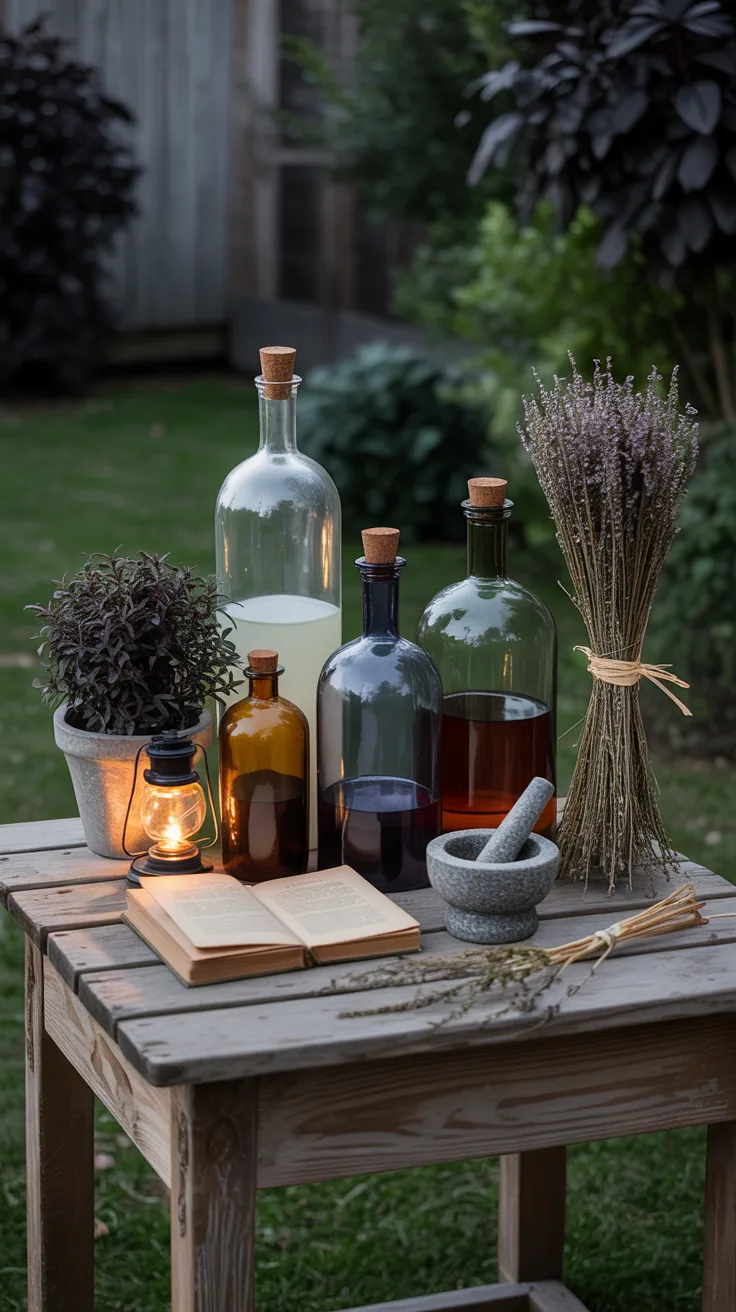
Vintage apothecary elements reinforce the botanical danger theme while adding historical authenticity. Collect or create displays featuring:
- Glass bottles and vials with cork stoppers filled with colored water
- Aged books with botanical illustrations
- Mortar and pestle sets
- Dried herb bundles tied with twine
- Antique-looking scales and measuring equipment
- Specimen jars with preserved-looking fake creatures or plants
Arrange these items on weathered wooden tables or shelving units positioned within the garden space. Add handwritten labels with mysterious ingredient names and cryptic instructions for maximum effect.
Sets of decorative apothecary bottles with corks work well for creating a themed potion-making station.
7. Construct Architectural Elements and Structures
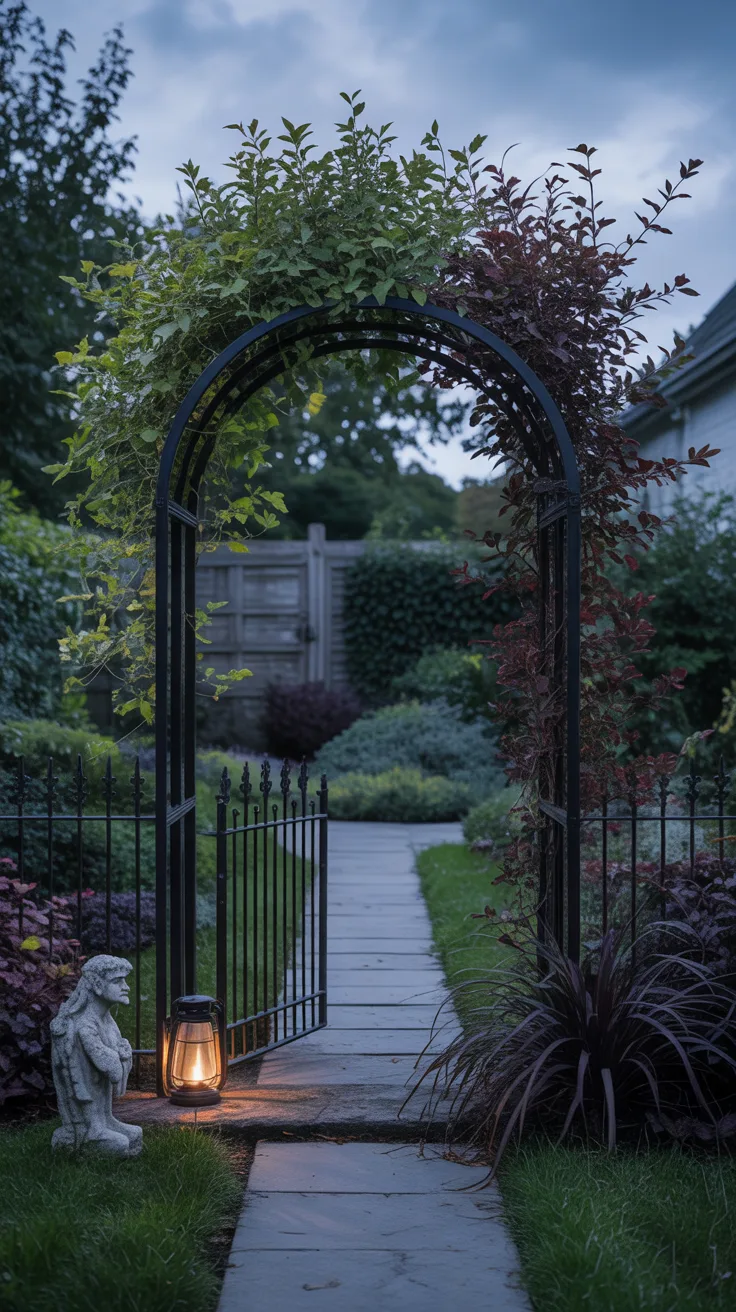
Permanent or temporary structures provide framework and focal points for poison garden displays. Consider incorporating:
- Wrought iron arbors or trellises draped with dark vines
- Faux stone columns or pedestals for elevated plant displays
- Gothic-style fencing sections to define garden boundaries
- Aged wooden gates with “Keep Out” signage
- Skeleton or gargoyle statuary partially hidden among plants
These elements create the impression of an established, mysterious garden space rather than a temporary Halloween setup.
Pro Tip: Use PVC pipe painted to resemble aged stone or iron for lightweight, weather-resistant structures that store easily for future use.
8. Integrate Sound and Scent for Immersive Experiences
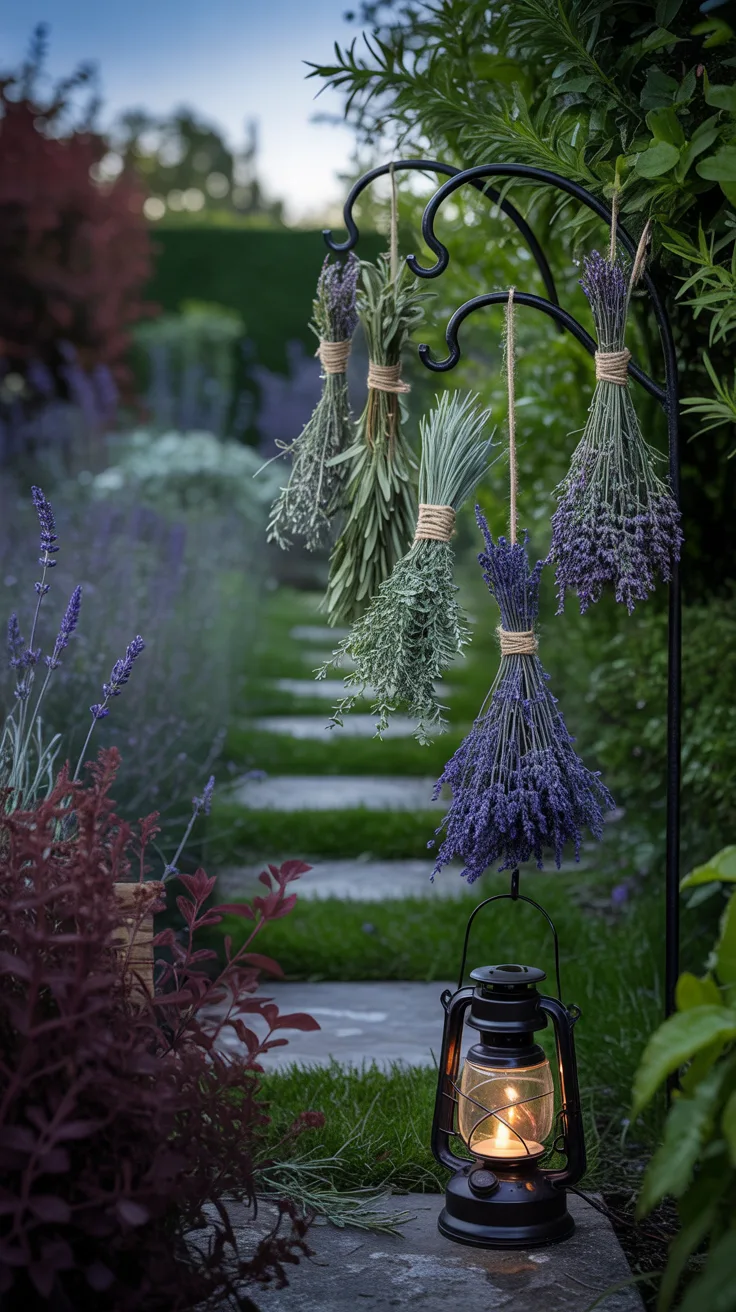
Engaging multiple senses deepens the poison garden Halloween atmosphere beyond visual decoration alone. Hidden Bluetooth speakers can play ambient sounds such as:
- Distant thunder and rain
- Creaking gates and footsteps
- Owl calls and rustling leaves
- Low, ominous music or whispers
For scent, incorporate aromatic elements that suggest an herbalist’s garden. Bundles of dried lavender, rosemary, and sage provide botanical fragrance, while outdoor-safe fragrance options can add additional atmosphere without requiring visitors to handle plants.
9. Create Interactive Elements for Guests
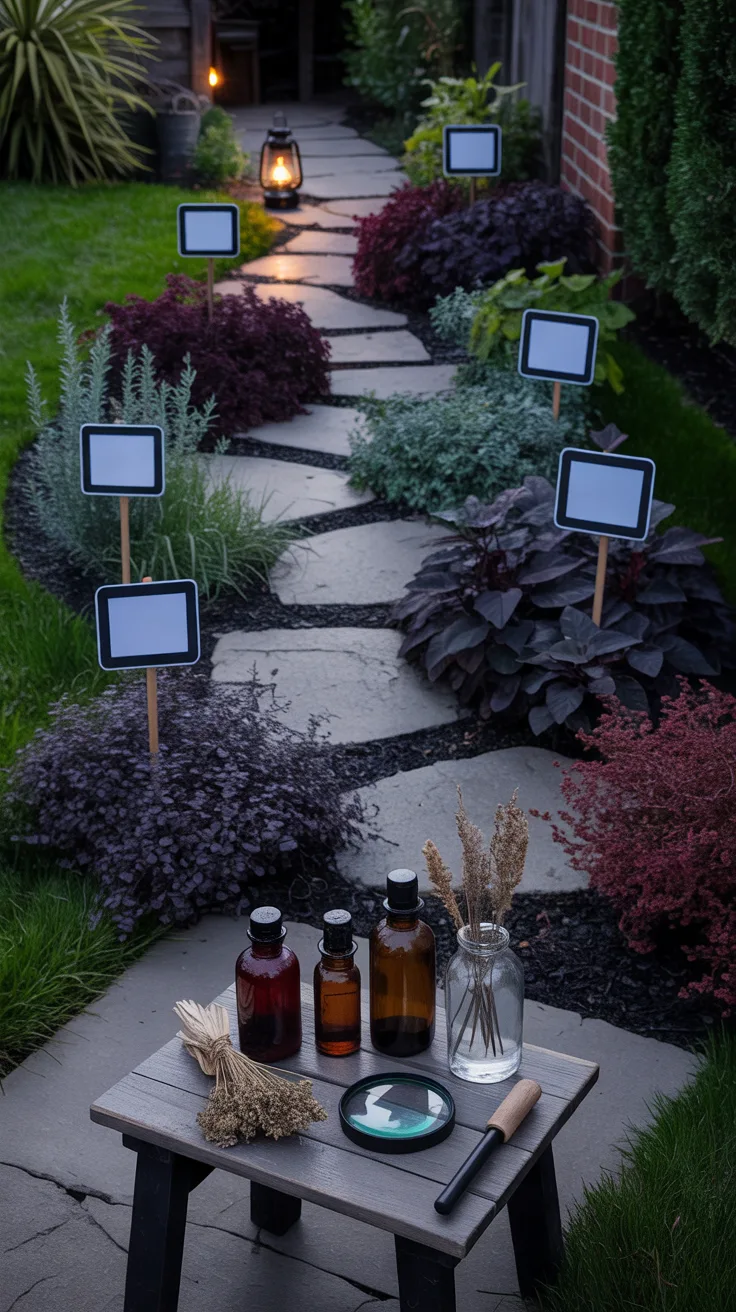
Transform passive decoration into engaging experiences by adding interactive components throughout the poison garden. Ideas include:
- QR codes on plant labels linking to information about historical poison gardens
- Scavenger hunts requiring guests to find specific “ingredients”
- Photo opportunity stations with themed props
- Guided tour scripts for hosts to share botanical lore
- Tasting stations featuring safe but unusual foods presented as “potions”
Pro Tip: Create a “poison garden passport” for guests to collect stamps at different stations throughout the display, offering a small prize for completed passports.
Safety Considerations for Poison Garden Displays
While the theme celebrates the aesthetic of dangerous plants, responsible decorating prioritizes safety. Ensure all pathways remain well-lit and clear of tripping hazards. Secure tall structures against wind, and keep electrical connections protected from moisture. Most importantly, avoid using actual toxic plants in an interactive Halloween display, especially in households with children or pets.
Frequently Asked Questions
Can real toxic plants be safely included in a poison garden Halloween display?
Using actual toxic plants is not recommended, particularly in spaces accessible to children, pets, or uninformed guests. The visual impact can be achieved with safer plants, artificial foliage, and props that recreate the dark botanical aesthetic without intentionally introducing dangerous specimens.
How far in advance should poison garden preparations begin?
Planning should start six to eight weeks before Halloween to allow time for sourcing containers, creating aged effects on props, and establishing any living plants. Structural elements and lighting can be installed two to three weeks ahead, with final decorative touches added the week of Halloween.
What budget range is typical for creating a poison garden display?
Displays can range from under fifty dollars using primarily DIY elements and thrifted containers to several hundred dollars for elaborate setups with professional lighting, multiple plant purchases, and custom signage. Starting small and adding elements annually keeps costs manageable while building an impressive collection.
How can poison garden decorations be protected from weather?
Choose weather-resistant materials whenever possible, including plastic or resin containers, outdoor-rated lighting, and laminated signage. Store delicate paper elements and electronics indoors between display periods, and have backup plans for moving sensitive items under cover during storms.
Are poison garden themes appropriate for family-friendly Halloween events?
Absolutely. The botanical and historical aspects of poison gardens offer educational opportunities alongside the spooky atmosphere. Adjusting the intensity of scary elements—such as avoiding graphic imagery and focusing on mysterious rather than frightening aesthetics—makes this theme suitable for all ages while maintaining its sophisticated appeal.