Introduction to Sustainable Gardening
I’ll be honest with you—when I first started gardening, sustainability wasn’t even on my radar. I was more concerned with whether my tomatoes would survive the summer heat than whether my practices were helping or hurting the environment. But after watching my water bills skyrocket and seeing my once-thriving soil turn compacted and lifeless, I knew something had to change.
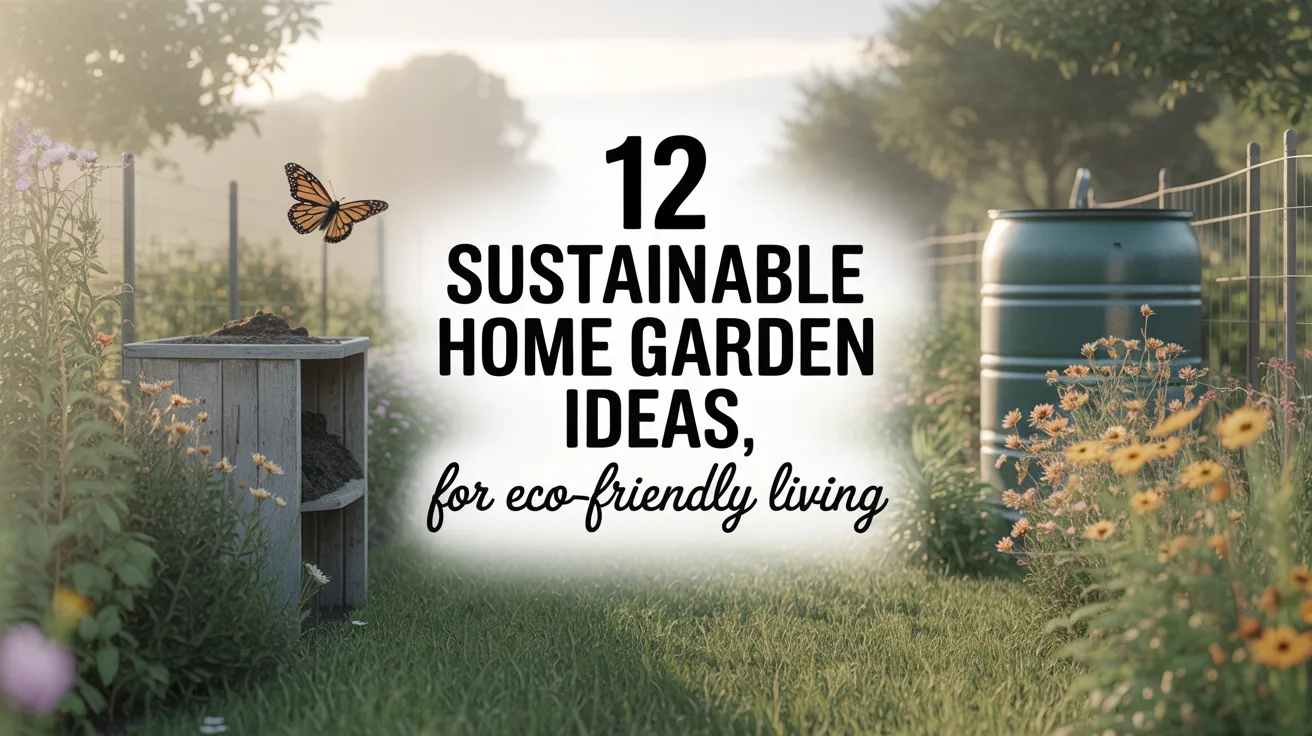
Sustainable home garden ideas aren’t just trendy buzzwords thrown around by environmental enthusiasts. They’re practical, money-saving approaches that have completely transformed how I interact with my little patch of earth. Whether you’re working with a sprawling backyard or a modest balcony, these eco-friendly practices can help you grow healthier plants while treading more lightly on our planet.
1. Composting for a Greener Garden
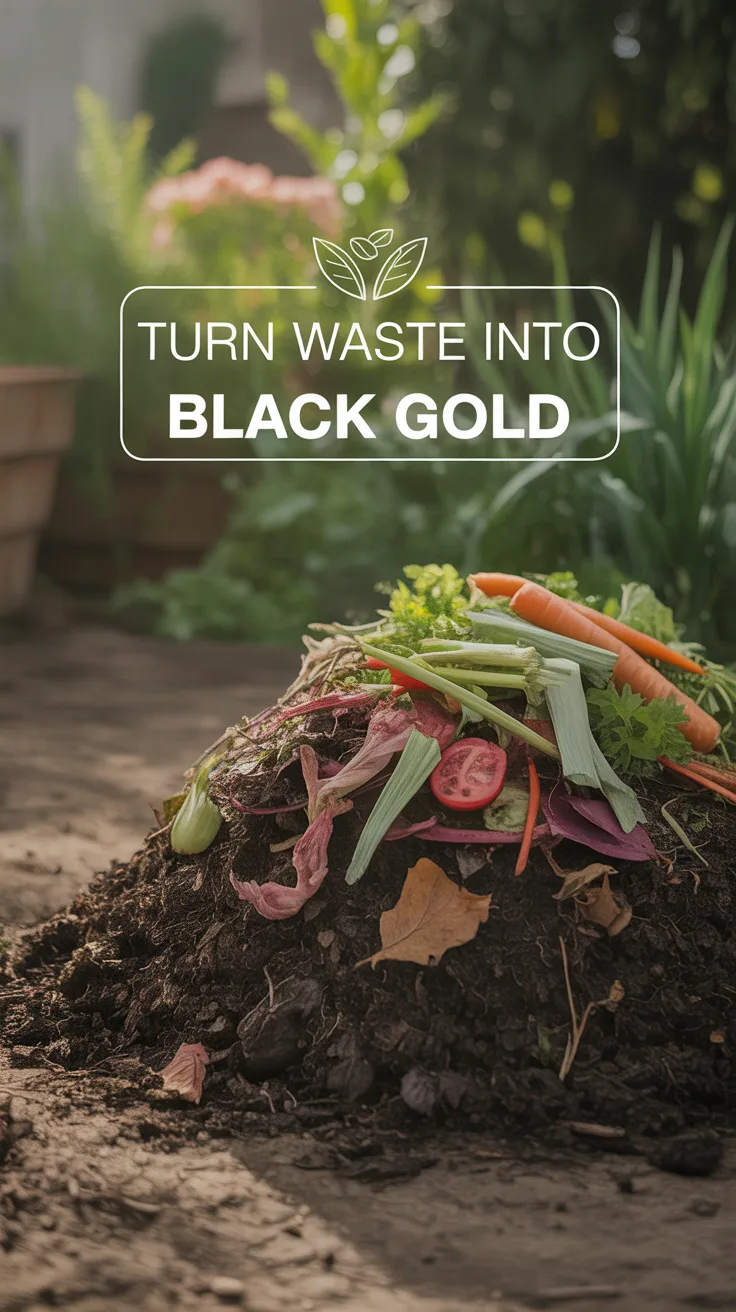
Composting was my gateway into sustainable gardening, and honestly, I wish I’d started sooner. Those banana peels and coffee grounds I used to toss in the trash? They’re now black gold for my garden beds. The transformation is almost magical—watching kitchen scraps break down into rich, crumbly soil that my plants absolutely devour.
Getting started is simpler than you might think. I began with a basic tumbler composter, though a simple pile in a corner of your yard works just as well. The key is balancing your “greens” (nitrogen-rich materials like vegetable scraps) with your “browns” (carbon-rich materials like dried leaves and cardboard).
Pro Tip: Keep a small container with a lid on your kitchen counter for collecting scraps. It makes the daily habit of composting feel effortless rather than like a chore.
2. Rainwater Harvesting Techniques
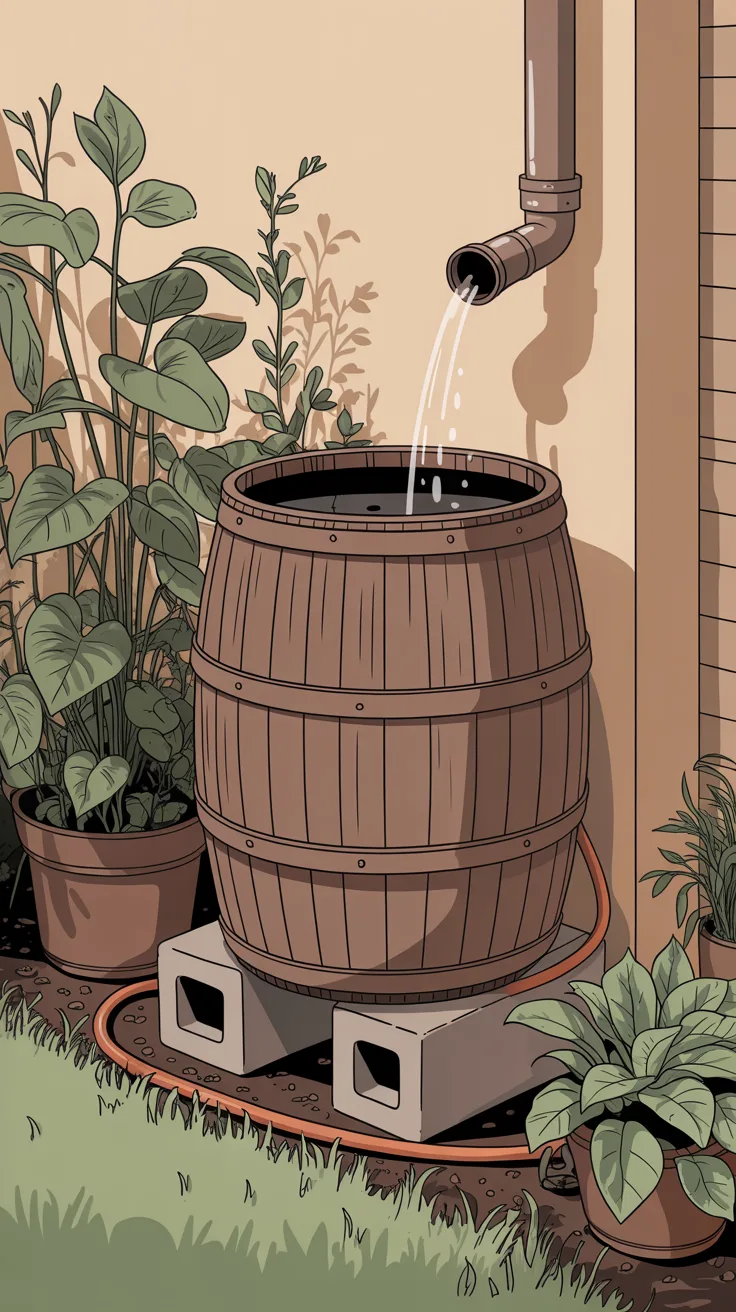
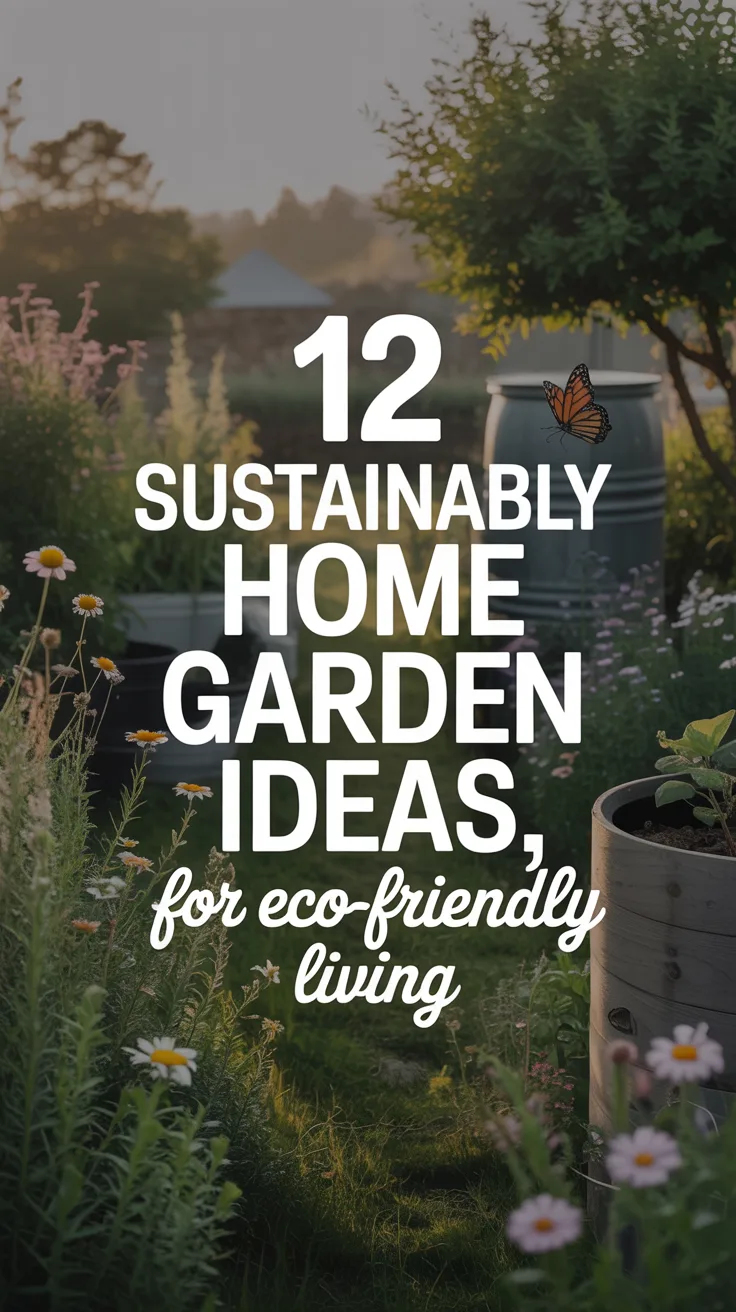
My first rain barrel was a game-changer. During one particularly rainy spring, I collected over 200 gallons of water that I used throughout the dry summer months. That’s water my plants actually prefer—it’s naturally soft, free of chlorine, and at ambient temperature.
You don’t need an elaborate system to get started. A simple 55-gallon barrel positioned under a downspout can capture a surprising amount of water from even brief rain showers. Just make sure to cover it with mesh to keep mosquitoes from breeding.
Pro Tip: Elevate your rain barrel on cinder blocks to create enough pressure for attaching a hose. I learned this the hard way after spending an entire summer filling watering cans by hand.
3. Native Plant Selection
Here’s a mistake I made early on: I fell in love with exotic plants that looked stunning in magazines but struggled miserably in my climate. They needed constant watering, special soil amendments, and seemed to attract every pest in the neighborhood.
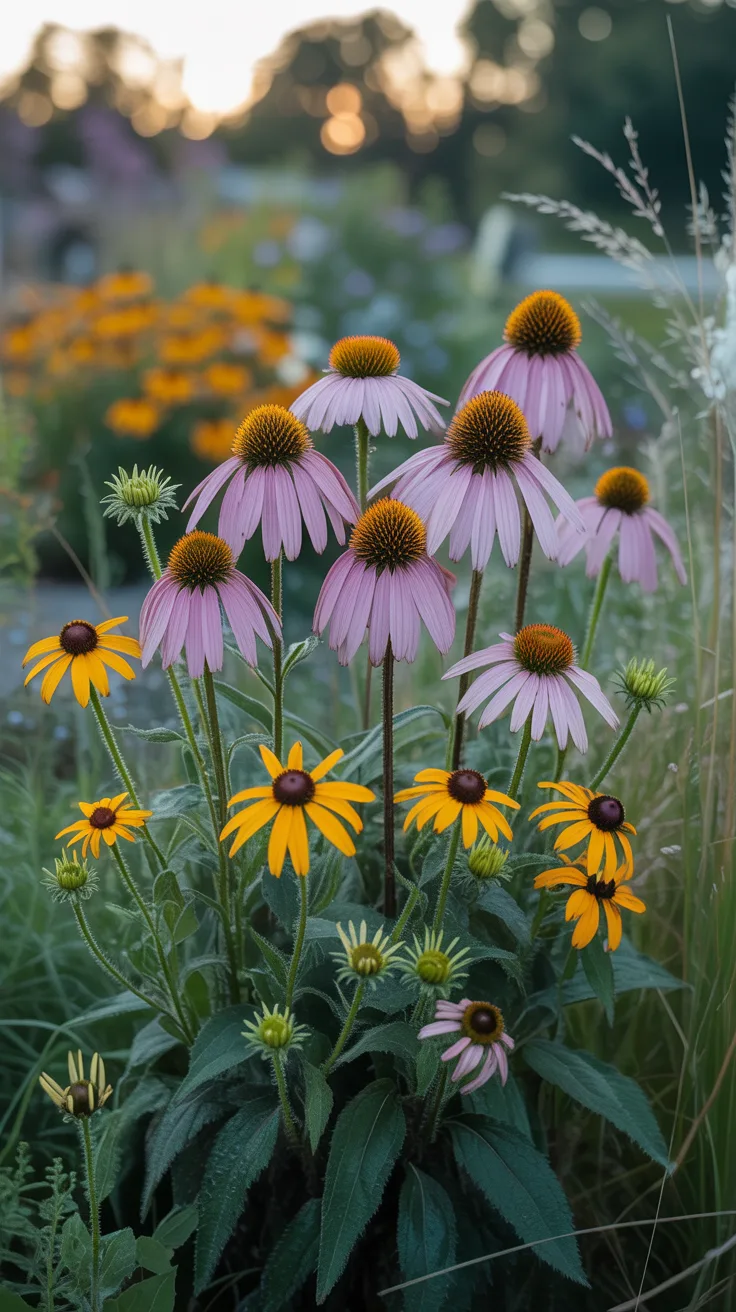
When I finally switched to native plants, everything changed. These local varieties have spent thousands of years adapting to my region’s specific conditions. They require less water, resist local pests naturally, and provide food and habitat for native wildlife. My coneflowers, black-eyed Susans, and native grasses practically take care of themselves.
4. Creating a Pollinator-Friendly Space
The first time I noticed a monarch butterfly visiting my garden, I understood why sustainable home garden ideas matter beyond just growing food. Our gardens can become vital refuges for pollinators whose habitats are shrinking every year.
Creating a pollinator paradise involves more than just planting flowers. Consider these elements:
- Plant flowers that bloom in succession throughout the growing season
- Include a variety of flower shapes to accommodate different pollinator species
- Provide shallow water sources with landing spots (pebbles work great)
- Leave some bare soil patches for ground-nesting bees
- Avoid pesticides, even organic ones, during peak pollinator activity
5. Using Recycled Materials
Some of my favorite garden features came from items destined for the landfill. Old wooden pallets became vertical planters, broken terracotta pots transformed into charming garden markers, and wine bottles turned into elegant garden edging.
The creative possibilities are endless. I’ve seen gardeners use old tires as raised beds, repurpose gutters as strawberry planters, and convert wooden crates into herb gardens. Not only does this approach save money, but it also gives your garden unique character that you simply can’t buy at a garden center.
Pro Tip: Before throwing anything away, ask yourself: “Could this hold soil?” You’d be surprised how many household items make excellent planters.
6. Organic Pest Control Methods
I used to reach for chemical sprays at the first sign of aphids. Now I know better. Those sprays don’t just kill pests—they eliminate beneficial insects, contaminate soil, and can harm the very plants you’re trying to protect.
Natural pest control starts with prevention. Healthy soil grows healthy plants that naturally resist pests. When problems do arise, I turn to these methods:
- Hand-picking larger pests like caterpillars and beetles
- Spraying aphids off with a strong stream of water
- Introducing beneficial insects like ladybugs and lacewings
- Using neem oil for persistent infestations
- Planting pest-repelling herbs throughout the garden
7. Vertical Gardening for Small Spaces
When I moved to a home with a tiny backyard, I thought my gardening days were over. Vertical gardening proved me wonderfully wrong. By growing up instead of out, I actually increased my growing space significantly.
Trellises, wall-mounted planters, hanging baskets, and tiered shelving systems all maximize vertical real estate. Climbing vegetables like beans, cucumbers, and peas thrive in these setups, and herbs in wall pockets are conveniently located right outside my kitchen door.
8. Companion Planting Strategies
Nature doesn’t grow plants in isolated rows—there’s wisdom in that chaos. Companion planting mimics natural ecosystems by pairing plants that benefit each other. The classic example is the “Three Sisters” combination of corn, beans, and squash that Indigenous peoples have cultivated for centuries.
Some of my favorite companion combinations include:
- Tomatoes with basil (improves flavor and repels pests)
- Carrots with onions (each repels the other’s primary pest)
- Marigolds throughout the garden (their scent deters many common pests)
- Lettuce under taller plants (provides natural shade in summer)
9. Energy-Efficient Gardening Tools
That gas-powered leaf blower I inherited from my father? It’s been replaced by a good old-fashioned rake. Not only is it quieter and emission-free, but I’ve found the physical activity genuinely enjoyable. There’s something meditative about raking leaves that a loud machine simply can’t replicate.
When power tools are necessary, battery-operated options have improved dramatically. My cordless trimmer and mower perform excellently while producing zero direct emissions. Manual tools like push reel mowers, hand pruners, and broadforks remain my go-to choices for most tasks.
10. Mulching for Water Conservation
If I could recommend only one sustainable home garden practice, mulching would be it. A thick layer of organic mulch reduces watering needs by up to 50%, suppresses weeds naturally, and slowly feeds your soil as it decomposes.
I use whatever organic materials are readily available: shredded leaves in fall, grass clippings in summer, and wood chips around perennials. The key is maintaining a 2-4 inch layer while keeping mulch a few inches away from plant stems to prevent rot.
Pro Tip: Many municipalities offer free wood chip mulch from their tree-trimming operations. Call your local public works department—you might score a truckload for nothing.
11. Building a Wildlife Habitat
My garden has become a neighborhood wildlife sanctuary, and I couldn’t be prouder. Birds nest in my shrubs, toads hide under my mulch, and beneficial insects patrol my plants for pests. This biodiversity creates a self-regulating ecosystem that requires less intervention from me.
Creating wildlife habitat involves providing the four essentials: food, water, shelter, and places to raise young. Native plants accomplish most of this naturally, but adding features like bird baths, brush piles, and nesting boxes enhances your garden’s appeal to wildlife.
12. Seasonal Crop Rotation
Growing tomatoes in the same spot year after year taught me a hard lesson about soil depletion and disease buildup. Now I rotate my crops religiously, moving plant families to different beds each season.
The basic principle is simple: follow heavy feeders (like tomatoes and corn) with light feeders (like carrots and beets), then soil builders (like beans and peas). This rotation maintains soil fertility naturally and breaks pest and disease cycles.
Conclusion: Embracing Sustainable Practices
Implementing these sustainable home garden ideas doesn’t require overhauling your entire garden overnight. I started with composting, then added rain barrels, then gradually incorporated other practices over several seasons. Each small change compounds into significant environmental impact.
The beautiful irony is that sustainable gardening often means less work, not more. Healthy soil, diverse plantings, and natural pest control create resilient gardens that practically tend themselves. My garden has never looked better, and I’ve never spent less time fighting against nature rather than working with it.
Frequently Asked Questions
What are the benefits of sustainable gardening?
Sustainable gardening reduces your environmental footprint while saving money on water, fertilizers, and pest control. It creates healthier soil, supports local wildlife, and produces more nutritious food. Many gardeners also find it more rewarding and less labor-intensive than conventional methods.
How can I start composting at home?
Begin with a simple bin or designated pile in a shady corner of your yard. Add kitchen scraps like fruit and vegetable peels, coffee grounds, and eggshells along with yard waste like leaves and grass clippings. Turn the pile occasionally and keep it moist but not soggy. In a few months, you’ll have rich compost ready for your garden.
Which plants are best for attracting pollinators?
Native wildflowers are generally the best choice for local pollinators. Popular options include lavender, coneflowers, bee balm, sunflowers, and native milkweed. Plant varieties that bloom at different times to provide food throughout the growing season.
How do I conserve water in my garden?
Combine multiple strategies for maximum impact: harvest rainwater, apply thick mulch layers, water deeply but infrequently, use drip irrigation instead of sprinklers, and choose drought-tolerant native plants. Watering early in the morning also reduces evaporation losses.
What are some natural pest control methods?
Start by encouraging beneficial insects through diverse plantings and avoiding pesticides. Hand-pick larger pests, use strong water sprays for aphids, and apply neem oil for persistent problems. Companion planting and maintaining healthy soil also help plants resist pest damage naturally.