Introduction to Vertical Gardening
When I moved into my tiny apartment in the city, I thought my gardening days were over. With just a small balcony and limited indoor space, traditional gardening seemed impossible. That’s when I discovered vertical gardening – a game-changing approach that allows you to grow plants upward instead of outward.
I’ve spent the last three years experimenting with various vertical garden setups, and I’m excited to share what I’ve learned. Vertical gardening isn’t just practical for small spaces; it’s also an eye-catching way to bring nature into your home, improve air quality, and even grow your own food in the most unexpected places.
Whether you’re dealing with a tiny apartment, a small balcony, or just want to maximize your existing garden space, these ten vertical garden ideas will help you create a lush, green oasis without sacrificing precious floor space.
1. Wall-Mounted Planters
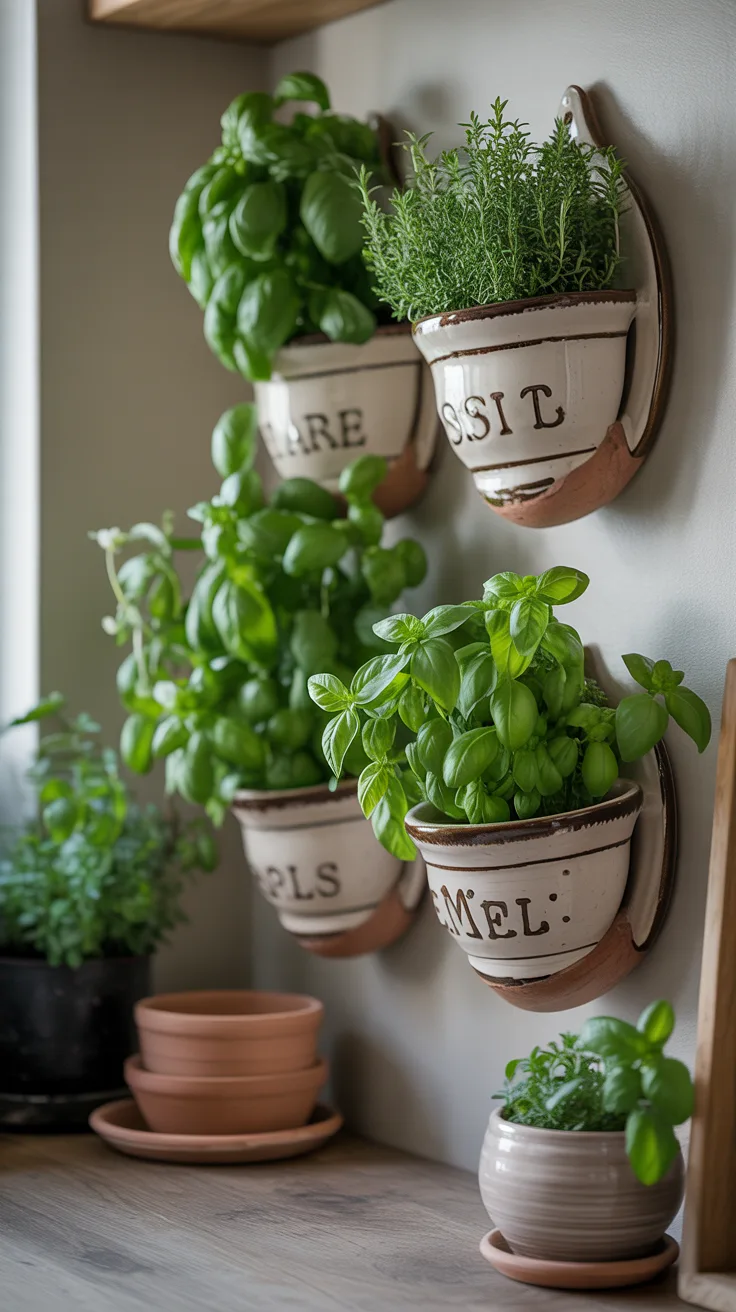
Wall-mounted planters were my gateway into vertical gardening. They’re incredibly versatile and can transform any blank wall into a living tapestry of greenery. I started with a simple set of three ceramic wall planters in my kitchen, growing herbs that I could easily snip while cooking.
- Best plants for wall planters: Herbs, succulents, small flowering plants, and trailing vines
- Materials to consider: Ceramic, metal, recycled plastic, or fabric pocket planters
- Placement tips: Ensure your wall can support the weight, especially once plants are watered
Pro Tip: Install a plastic backing or use waterproof planters to protect your walls from moisture damage. I learned this the hard way after ruining a section of drywall in my first apartment!
2. Hanging Baskets
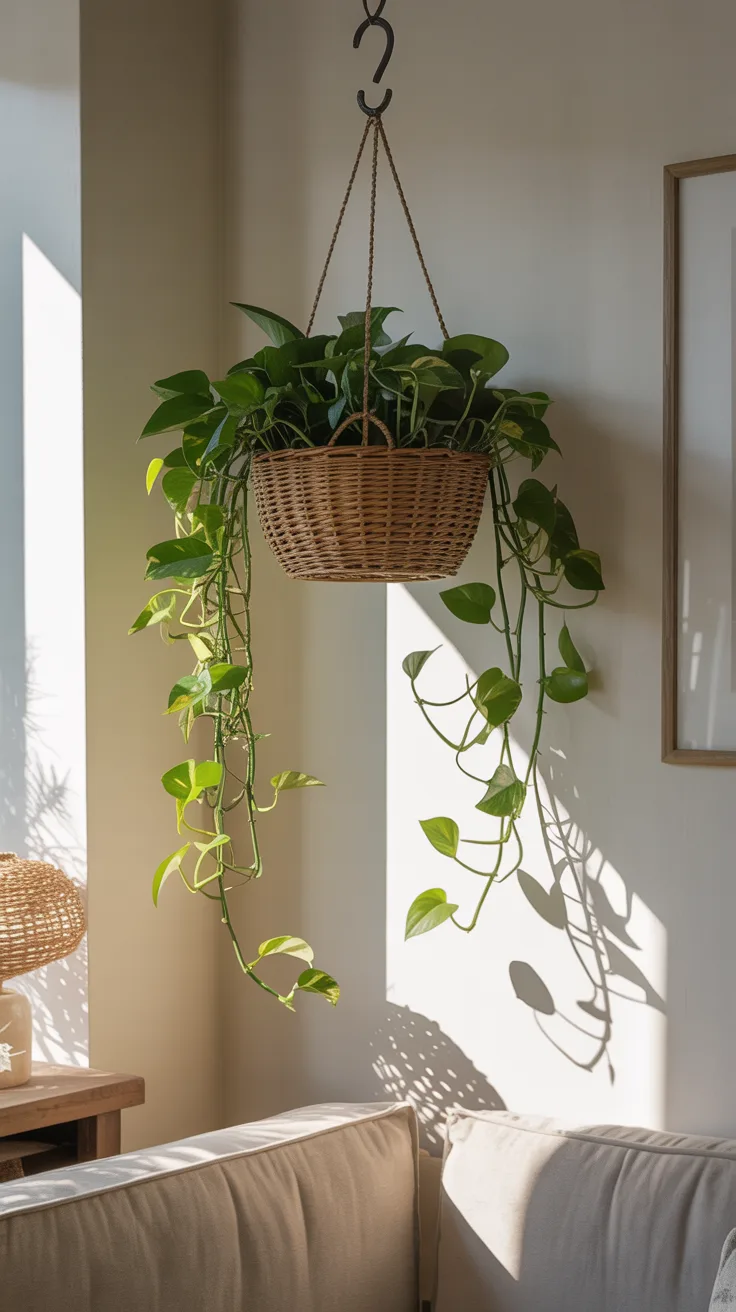
Hanging baskets were my solution for an awkward corner in my living room that needed some life. They’re perfect for creating layers of greenery without using any floor or shelf space.
- Ideal locations: Ceiling hooks, curtain rods, balcony railings, pergolas
- Best plants: Spider plants, pothos, string of pearls, trailing petunias, ferns
- Container options: Traditional baskets, macramé hangers, repurposed colanders
Pro Tip: Use lightweight soil mixed with perlite to reduce weight. I once hung a basket with regular garden soil, and the weight eventually pulled the ceiling hook loose!
3. Vertical Pallet Gardens
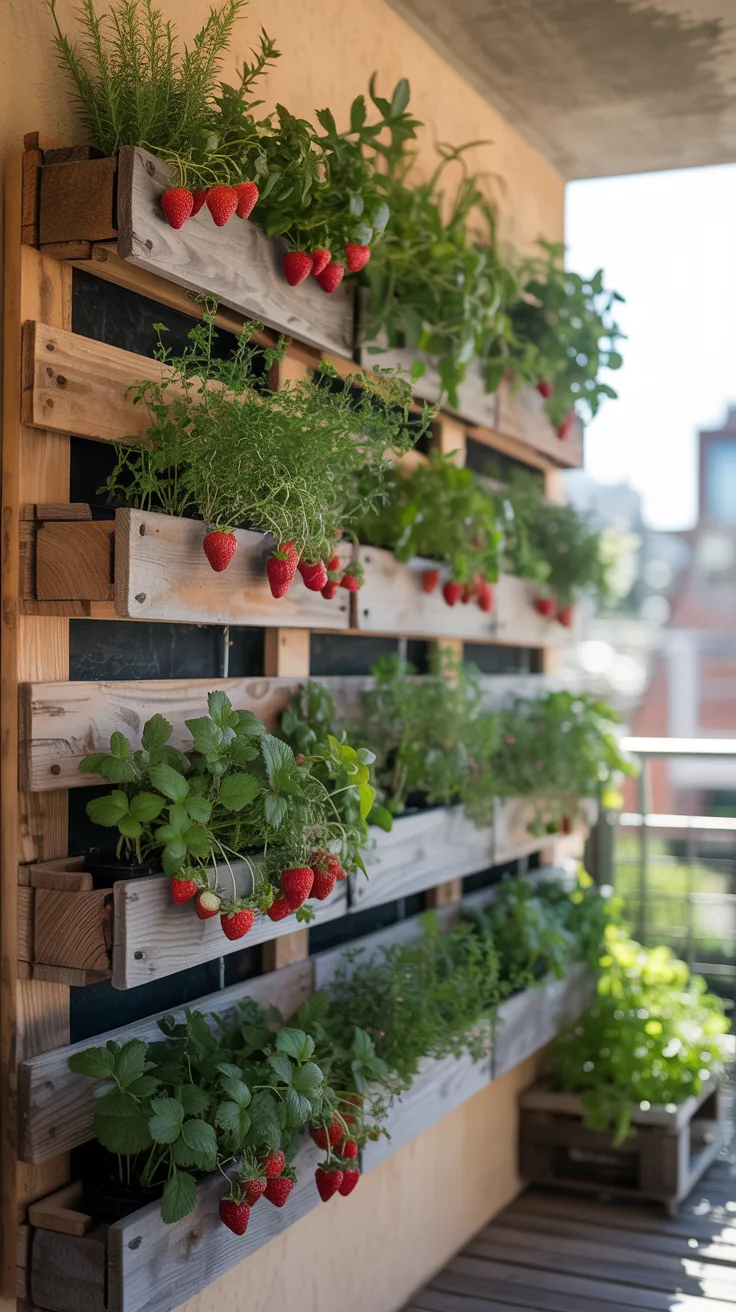
My proudest DIY achievement was transforming a discarded wooden pallet into a thriving herb garden for my balcony. Pallet gardens are budget-friendly and surprisingly easy to create.
- Preparation steps: Sand rough edges, line with landscape fabric, secure to wall
- Planting options: Herbs, strawberries, lettuce, small flowering plants
- Maintenance needs: Regular watering (can dry out quickly), occasional fertilizing
Pro Tip: Look for heat-treated pallets marked with “HT” (not chemically treated ones marked “CT”) to ensure they’re safe for growing edibles. I made this mistake once and had to start over.
4. Tiered Plant Stands
When I wanted to display my growing collection of succulents without cluttering my windowsill, a tiered plant stand was the perfect solution. These space-saving structures create multiple levels for plants in a small footprint.
- Style options: Ladder-style, spiral, corner shelves, rolling carts
- Best locations: Near windows, in corners, on balconies
- Plant suggestions: Small potted plants, cacti, succulents, air plants
Pro Tip: Rotate your plants regularly if they’re near a window. I noticed my plants were leaning dramatically toward the light until I started turning them weekly.
5. Trellises for Climbing Plants
Installing a simple bamboo trellis on my balcony wall allowed me to grow sugar snap peas vertically, saving valuable container space. Trellises create a living green screen that can provide privacy while producing food or flowers.
- Trellis materials: Bamboo, metal, wood, string grids, wire mesh
- Climbing edibles: Cucumbers, beans, peas, small melons, cherry tomatoes
- Ornamental climbers: Morning glories, clematis, jasmine, honeysuckle
Pro Tip: Start training climbing plants early by gently tying young stems to the trellis with garden twine or plant clips. Once they get the idea, most will climb naturally.
6. Ladder Shelves
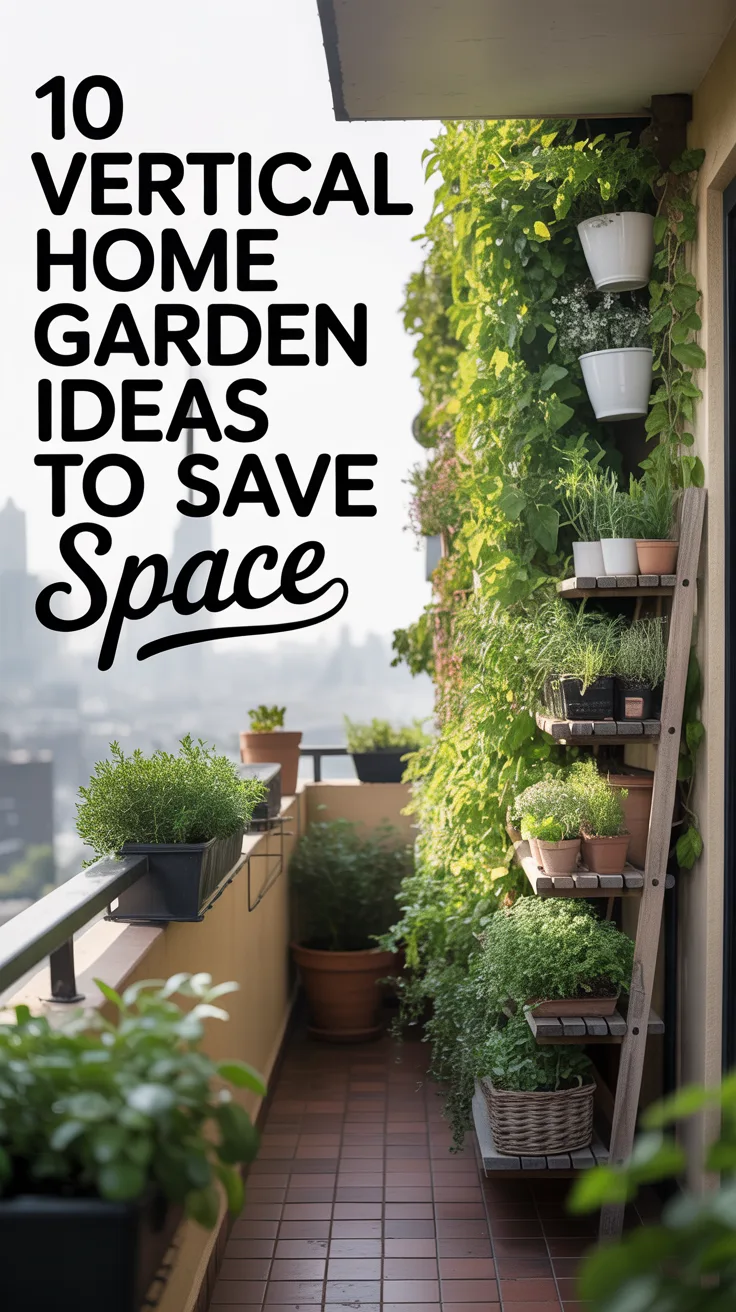
An old wooden ladder I found at a yard sale became one of my favorite plant displays. Ladder shelves add a rustic charm while providing multiple levels for plants and decorative elements.
- DIY options: Repurposed wooden ladders, purpose-built ladder shelves
- Styling tips: Mix plant sizes, add small decor items, vary pot heights
- Practical benefits: Easy to move, adjustable shelf spacing, no wall mounting
Pro Tip: Place larger plants on lower rungs and smaller ones higher up for stability. I once had a top-heavy arrangement that toppled over when my cat brushed against it!
7. Gutter Gardens
When I wanted to grow more herbs but had run out of railing space, I installed vinyl gutters along my balcony wall. This unexpected solution created the perfect growing space for shallow-rooted plants.
- Installation basics: Mount with brackets, ensure slight slope for drainage
- Best plants: Lettuce, spinach, strawberries, herbs, succulents
- Material options: Vinyl gutters (lightweight), metal gutters (durable)
Pro Tip: Drill drainage holes every few inches along the bottom of the gutter. My first attempt lacked proper drainage, and the plants suffered from root rot after heavy rain.
8. Pocket Gardens
Fabric pocket planters have been a game-changer for my indoor herb garden. These hanging organizers, often designed for shoes or storage, can be repurposed to hold multiple plants in a small wall space.
- Options: Shoe organizers, purpose-made pocket planters, DIY felt pockets
- Plant choices: Herbs, succulents, small flowering plants, air plants
- Location ideas: Kitchen walls, balcony railings, fence sections
Pro Tip: Line fabric pockets with plastic (with drainage holes) to protect the fabric and wall from moisture. I use cut-up plastic bottles inside my fabric pockets.
9. Hydroponic Vertical Gardens
My latest experiment has been with a small hydroponic tower garden in my living room. These soil-free systems are clean, efficient, and perfect for growing leafy greens and herbs indoors.
- System types: Tower gardens, wall-mounted units, DIY PVC pipe systems
- Benefits: No soil mess, faster growth, water efficiency
- Best plants: Lettuce, kale, basil, mint, strawberries
Pro Tip: Start with a simple system before investing in expensive setups. My first hydroponic attempt was with recycled water bottles and a small aquarium pump, which worked surprisingly well!
10. Living Walls
The ultimate vertical garden statement is a living wall. While I haven’t created a full-scale one yet, I’ve experimented with modular living wall panels on a section of my balcony wall with stunning results.
- Implementation options: Modular panels, built-in irrigation systems, DIY frame systems
- Maintenance considerations: Irrigation, plant selection, accessibility
- Benefits: Dramatic visual impact, improved air quality, sound insulation
Pro Tip: Start small with a modular system before committing to a large installation. Living walls require more maintenance than other vertical gardens, so it’s good to test your commitment level.
Conclusion
My journey with vertical gardening has transformed my small living spaces into lush, green sanctuaries that nourish both body and soul. From simple wall-mounted planters to ambitious living walls, there’s a vertical garden solution for every space and skill level.
What I love most about these methods is their adaptability. You can start small, experiment, and expand as your confidence grows. Even my early mistakes—like the wall water damage and toppling plant stands—were valuable learning experiences that improved my next attempts.
If you’re short on space but longing to grow, I encourage you to try at least one of these vertical gardening ideas. You might be surprised at how much you can grow in even the smallest spaces when you think vertically!
Frequently Asked Questions
What are the benefits of vertical gardening?
Vertical gardening offers numerous advantages: it maximizes limited space, improves air quality, provides thermal insulation for buildings, creates privacy screens, allows for easier plant maintenance (less bending), and can even reduce noise pollution. In my experience, it’s also made gardening possible in rental properties where I couldn’t modify the ground.
How do I maintain a vertical garden?
Maintenance varies by system, but generally involves regular watering (often more frequently than ground gardens), occasional fertilizing, pruning, and pest monitoring. I’ve found that installing a simple drip irrigation system saves tremendous time and ensures consistent moisture. Also, check mounting hardware periodically to ensure everything remains secure as plants grow and add weight.
What plants are best suited for vertical gardens?
The best plants depend on your specific system and light conditions. For outdoor vertical gardens, consider herbs, strawberries, lettuce, trailing flowers, and climbing vegetables. For indoor systems, herbs, houseplants, ferns, and succulents work well. I’ve had particular success with herbs like basil, mint, and thyme; leafy greens like lettuce and spinach; and ornamentals like pothos, spider plants, and various succulents.
Can vertical gardens be used indoors?
Absolutely! Many vertical garden systems work beautifully indoors with proper lighting. Wall planters, pocket gardens, hydroponic towers, and tiered stands are all excellent indoor options. The key is providing adequate light—either by placing near windows or using grow lights—and choosing appropriate indoor plants. My indoor herb wall near a south-facing window has been one of my most successful and useful garden projects.
How do I start a vertical garden on a budget?
Start with repurposed materials like wooden pallets, plastic bottles, shoe organizers, or gutters. Many of my early vertical gardens cost less than $20 to create. Look for free pallets behind stores (just ensure they’re heat-treated, not chemically treated), repurpose household items like plastic bottles for planters, and start plants from seeds rather than buying seedlings. Community garden swaps are also great places to get cuttings and divided plants for free.