Introduction to Home Herb Gardens
There’s something magical about stepping into your kitchen and snipping fresh herbs for your cooking. I still remember the first time I added freshly harvested basil to my pasta sauce—the aroma and flavor were incomparable to the dried herbs I’d been using for years. Growing your own home herb garden isn’t just practical; it’s a small daily pleasure that enhances both your meals and your living space.
Whether you’re working with a spacious backyard, a tiny apartment balcony, or just a sunny windowsill, there’s a herb garden solution that will work for your lifestyle. I’ve experimented with numerous setups over the years (including some spectacular failures!) and discovered that herbs are surprisingly forgiving plants for beginners.
Beyond the obvious culinary benefits, herb gardens offer aromatherapy, attract beneficial insects, and add living greenery to your home environment. They’re the perfect entry point to gardening for those of us who don’t naturally have a green thumb but want to try growing something useful.
Choosing the Right Herbs
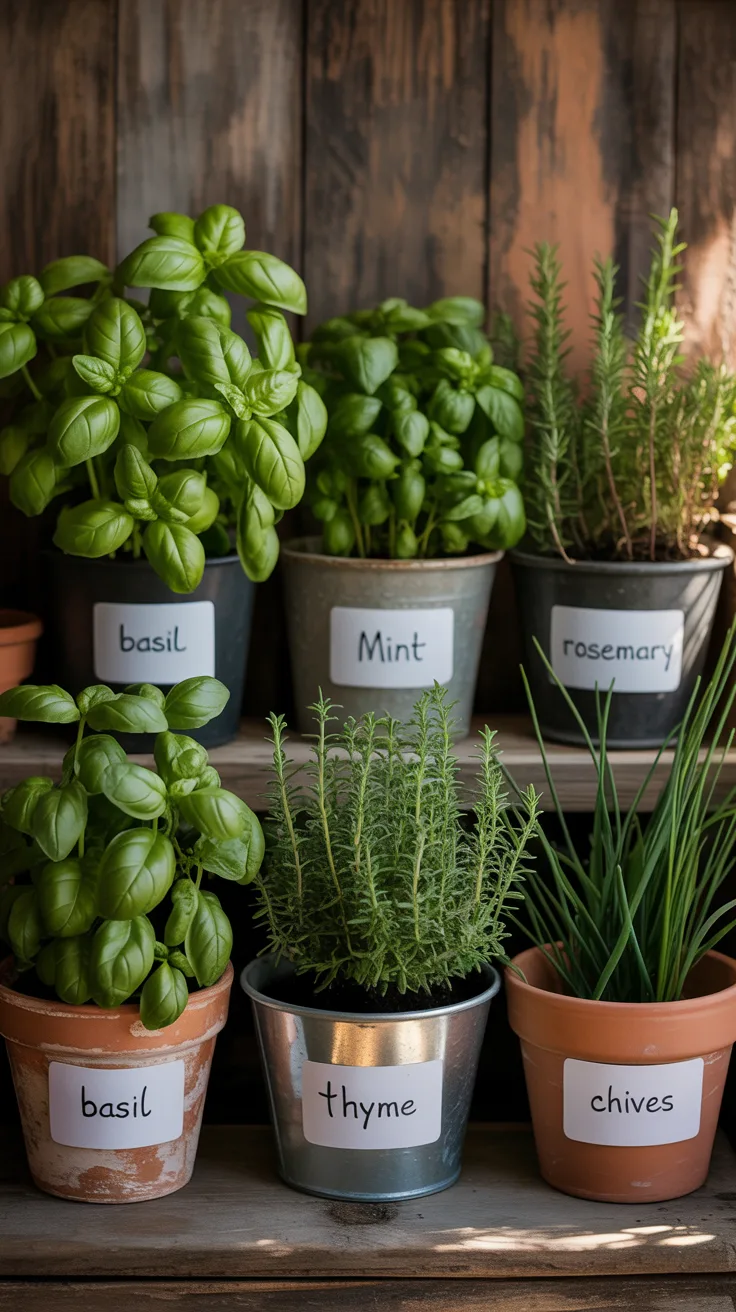
When I first started my herb garden, I made the classic mistake of trying to grow everything at once. Trust me, you’ll have a much better experience if you start with herbs you actually use in your cooking regularly.
For beginners, I recommend starting with these resilient herbs:
- Basil – Perfect for Italian dishes, but needs warm conditions
- Mint – Nearly indestructible (sometimes too much so!)
- Rosemary – Drought-tolerant and aromatic
- Thyme – Low-maintenance and versatile
- Chives – Come back year after year and add flavor to everything
Consider your local climate when selecting herbs. Mediterranean herbs like rosemary, thyme, and oregano prefer drier conditions, while cilantro and parsley appreciate cooler temperatures and more moisture. I learned this lesson the hard way when my cilantro repeatedly bolted (went to seed) during our hot summers.
Pro Tip: Group herbs with similar water and sunlight requirements together to simplify care. I keep my moisture-loving herbs like mint and basil in one area, and my drought-resistant Mediterranean herbs in another.
Container Herb Gardens
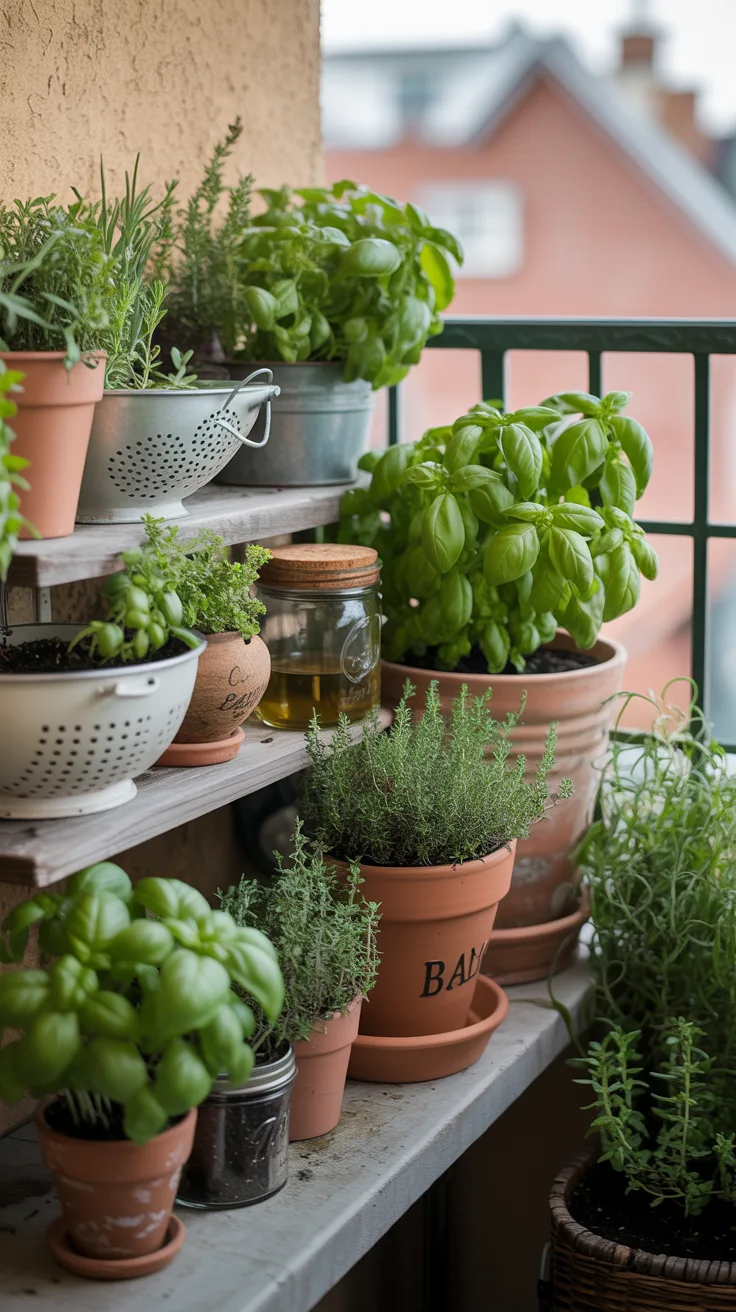
Container gardening revolutionized my herb-growing experience. When I lived in an apartment with only a small balcony, containers allowed me to grow a surprising variety of herbs in a limited space. The beauty of container herb gardens is their flexibility—you can move them to follow the sun or bring them indoors during harsh weather.
Here are some creative container ideas I’ve tried:
- Terra cotta pots – Classic and breathable, though they dry out quickly
- Mason jars – Perfect for windowsill herbs (just add pebbles for drainage)
- Hanging baskets – Great for trailing herbs like thyme and oregano
- Repurposed colanders – Built-in drainage makes these perfect planters
- Window boxes – Maximize space while keeping herbs accessible
Whatever container you choose, drainage is crucial. I once lost an entire herb collection to root rot because I forgot to drill holes in some decorative containers. Don’t make my mistake—ensure water can escape!
Pro Tip: Use a high-quality potting mix specifically formulated for containers, not garden soil which can become compacted. I add a bit of perlite to improve drainage for Mediterranean herbs.
Vertical Herb Gardens
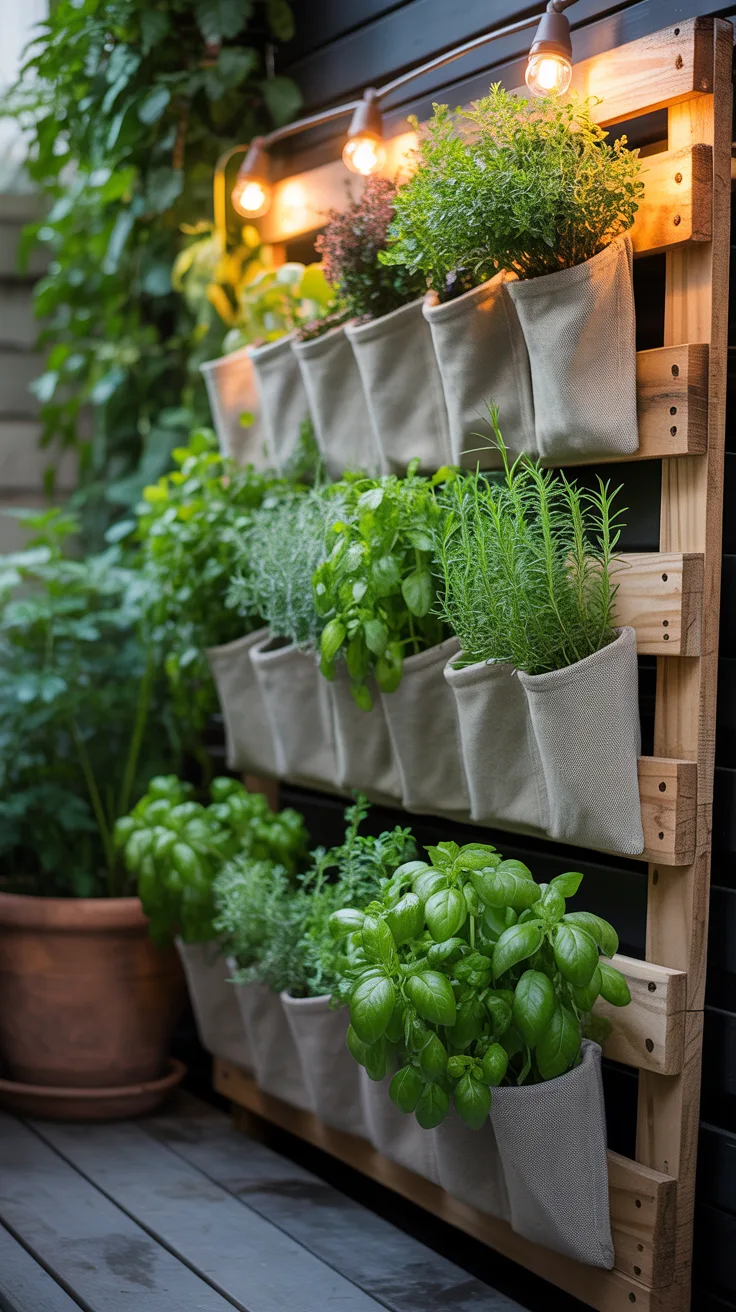
Vertical gardening was a game-changer for my small patio. By growing upward instead of outward, I tripled my herb-growing space without taking up valuable floor area. Vertical herb gardens also make a stunning visual statement—my herb wall always becomes a conversation piece when friends visit.
Here are some vertical herb garden ideas that have worked well for me:
- Pocket planters – Fabric wall-mounted pouches that hold individual plants
- Repurposed shoe organizers – An affordable DIY option with multiple pockets
- Tiered plant stands – Perfect for balconies and small patios
- Pallet gardens – Upcycled wooden pallets mounted vertically (just ensure they’re heat-treated, not chemically treated)
- Stackable planters – Purpose-built containers that create a tower of herbs
I learned that herbs with shallow root systems like thyme, oregano, and chives do particularly well in vertical setups. Basil and parsley need deeper soil, so I reserve lower, larger pockets for these varieties.
Pro Tip: Install your vertical garden near your kitchen door or window for easy harvesting. I wasted too much time running to the far end of my patio before realizing convenience matters!
Indoor Herb Garden Kits
During my first winter as an herb enthusiast, I was devastated to lose my outdoor plants to frost. That’s when I discovered indoor herb garden kits, which allow you to grow fresh herbs year-round regardless of outside conditions.
Modern kits range from simple windowsill setups to sophisticated systems with grow lights and self-watering features. For beginners, I recommend starting with a basic kit that includes containers, quality soil, and seeds. Many kits come with detailed instructions that take the guesswork out of indoor gardening.
My first kit included basil, parsley, and chives—all herbs that adapt well to indoor conditions. The satisfaction of harvesting fresh herbs in the middle of winter made the investment worthwhile, though I did struggle with providing adequate light at first.
Pro Tip: Even with a south-facing window, most indoor herbs benefit from supplemental lighting during winter months. I use a simple clip-on grow light that I can adjust as the plants grow.
Hydroponic Herb Gardens
After several years of traditional soil gardening, I ventured into hydroponics and was amazed by the results. Hydroponic herb gardens grow plants in nutrient-rich water without soil, often resulting in faster growth and higher yields.
My first hydroponic setup was a simple DIY system using mason jars, net cups, and an air pump. While it worked, I eventually upgraded to a countertop system that handles the nutrient balance and lighting automatically. For busy herb gardeners, these systems offer significant advantages—no soil mess, fewer pests, and less frequent maintenance.
Herbs that thrive in hydroponic systems include basil, mint, cilantro, and parsley. I’ve found that basil grows particularly well hydroponically, developing stronger flavors and larger leaves than my soil-grown plants.
Pro Tip: Start with a simple system before investing in expensive equipment. My basic setup taught me the principles of hydroponics for a fraction of the cost of high-end systems.
Caring for Your Herb Garden
Maintaining a healthy herb garden isn’t complicated, but consistency is key. After killing more herbs than I care to admit, I’ve developed a routine that keeps my plants thriving with minimal effort.
Watering is perhaps the trickiest aspect of herb care. Most herbs prefer to dry out slightly between waterings—overwatering is the most common cause of herb fatalities in my experience. I check my herbs by pressing a finger about an inch into the soil; if it’s dry at that depth, it’s time to water.
Harvesting regularly actually encourages bushier growth. I made the mistake of being too precious with my first herbs, rarely cutting them for fear of damaging the plants. Now I know that frequent, strategic pruning results in more abundant harvests overall.
Pro Tip: Fertilize herbs sparingly. I use a diluted organic fertilizer at half the recommended strength once a month during growing season. Over-fertilizing can reduce the concentration of essential oils that give herbs their flavor.
Creative Herb Garden Ideas
Over the years, I’ve experimented with countless herb garden setups. Some of my most successful and enjoyable projects include:
- Herb spiral – A three-dimensional garden that creates different microclimates for various herbs
- Hanging herb ball – A spherical wire form planted with trailing herbs like thyme and oregano
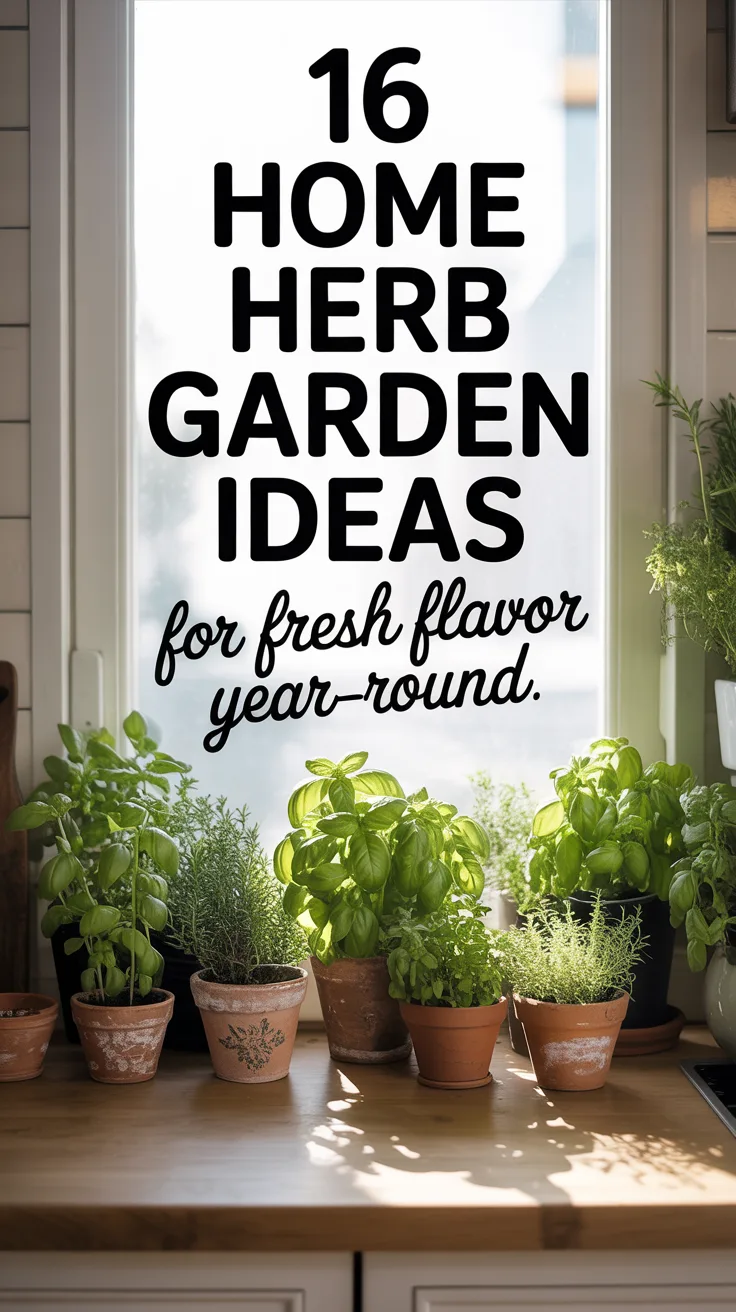
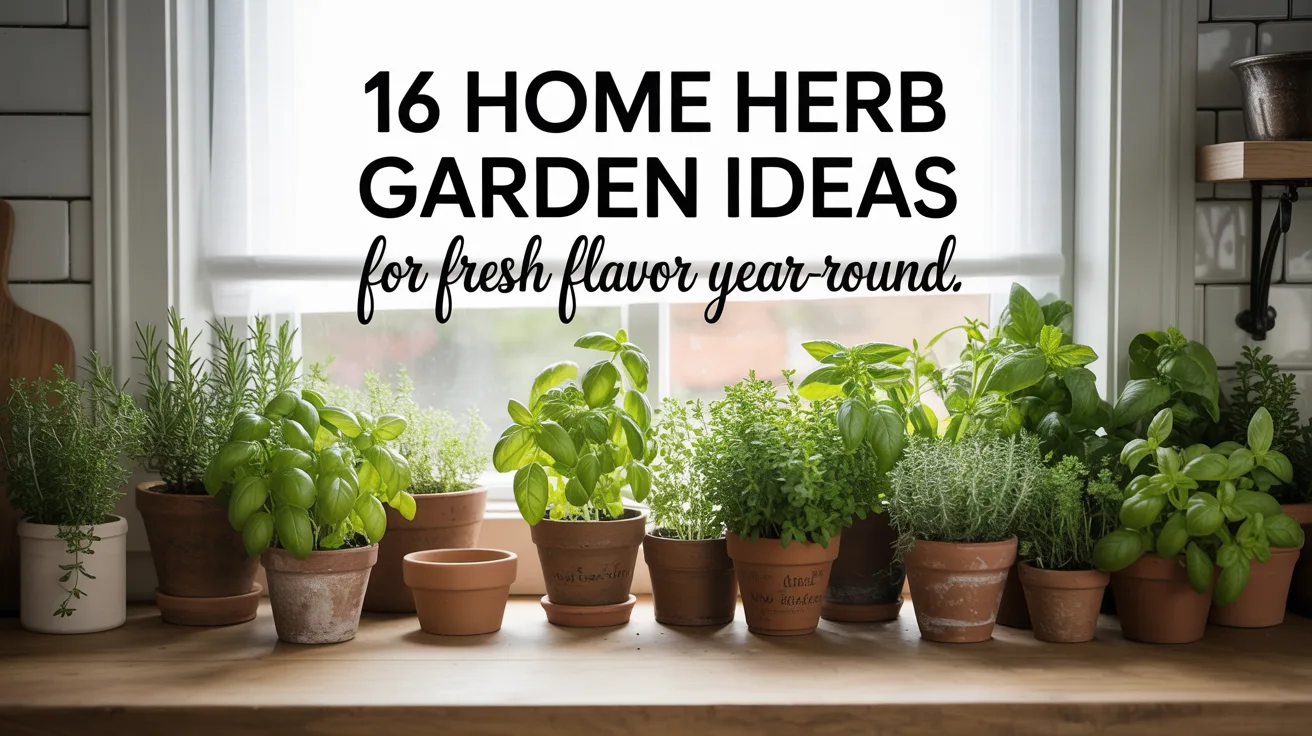
- Windowsill herb garden – Simple pots arranged to maximize limited space
- Herb wreath – Living wreath forms planted with hardy herbs like rosemary and lavender
- Tea garden – A collection of herbs specifically for making fresh teas (mint, lemon balm, chamomile)
- Pizza garden – Herbs commonly used on pizza (oregano, basil, thyme) planted in a circular pattern
My most successful creation was a tiered herb garden made from an old wooden ladder. Each rung held different containers, creating a display that was both functional and decorative. The height differences also made it easier to provide appropriate light conditions for different herbs.
Pro Tip: Consider incorporating edible flowers like nasturtiums, pansies, or borage alongside your herbs. They add color to your garden and can be used to garnish dishes for a restaurant-quality presentation.
Frequently Asked Questions
What are the easiest herbs to grow at home?
In my experience, mint, chives, and rosemary are virtually indestructible, making them perfect for beginners. Basil is also relatively easy in warm conditions with consistent moisture. I recommend starting with these forgiving herbs before attempting more challenging varieties like cilantro or dill.
How much sunlight do indoor herbs need?
Most herbs require at least 6 hours of direct sunlight daily to thrive indoors. South-facing windows typically provide the best natural light. If you don’t have adequate natural light, consider supplementing with grow lights. I use full-spectrum LED grow lights for my indoor herbs during winter months when daylight hours are limited.
Can I grow herbs in my kitchen?
Absolutely! The kitchen is often an ideal location if you have a sunny window. Growing herbs where you cook makes harvesting convenient and encourages regular use. Just be mindful that kitchens can sometimes have temperature fluctuations from cooking that may stress certain herbs. I keep basil and other heat-sensitive herbs slightly away from my stove area.
How often should I water my herb garden?
There’s no one-size-fits-all answer, as watering needs depend on your specific herbs, container size, and environmental conditions. Generally, I water when the top inch of soil feels dry to the touch. Mediterranean herbs like rosemary and thyme prefer drier conditions, while basil and mint like more consistent moisture. I’ve found that underwatering is usually better than overwatering for most herbs.
What is the best way to harvest herbs?
For most leafy herbs, pinch or cut stems just above a leaf node (where leaves attach to the stem) to encourage branching and new growth. I use clean scissors rather than tearing, which can damage the plant. Harvest in the morning when essential oil content is highest for the best flavor. Regular harvesting of the outer growth encourages bushier plants and prevents legginess.