Introduction
As an urban gardener with limited space, I’ve discovered that small square gardens offer a delightful opportunity to create green havens amid concrete jungles. My own journey began with a modest 6×6 patio that I transformed from a barren space into a thriving mini-ecosystem. Working with square spaces presents unique challenges—every inch matters—but also offers surprising advantages in terms of organization and design. Whether you have a tiny balcony, a compact courtyard, or a small backyard plot, these small square garden ideas can help you maximize your urban oasis. I’ve tested these approaches personally and found that with some creativity, even the most limited spaces can become productive, beautiful gardens that enhance your quality of life.
12,000 DIY Garden Sheds Plans – start building amazing sheds
1. Vertical Gardens: Growing Up When You Can’t Grow Out
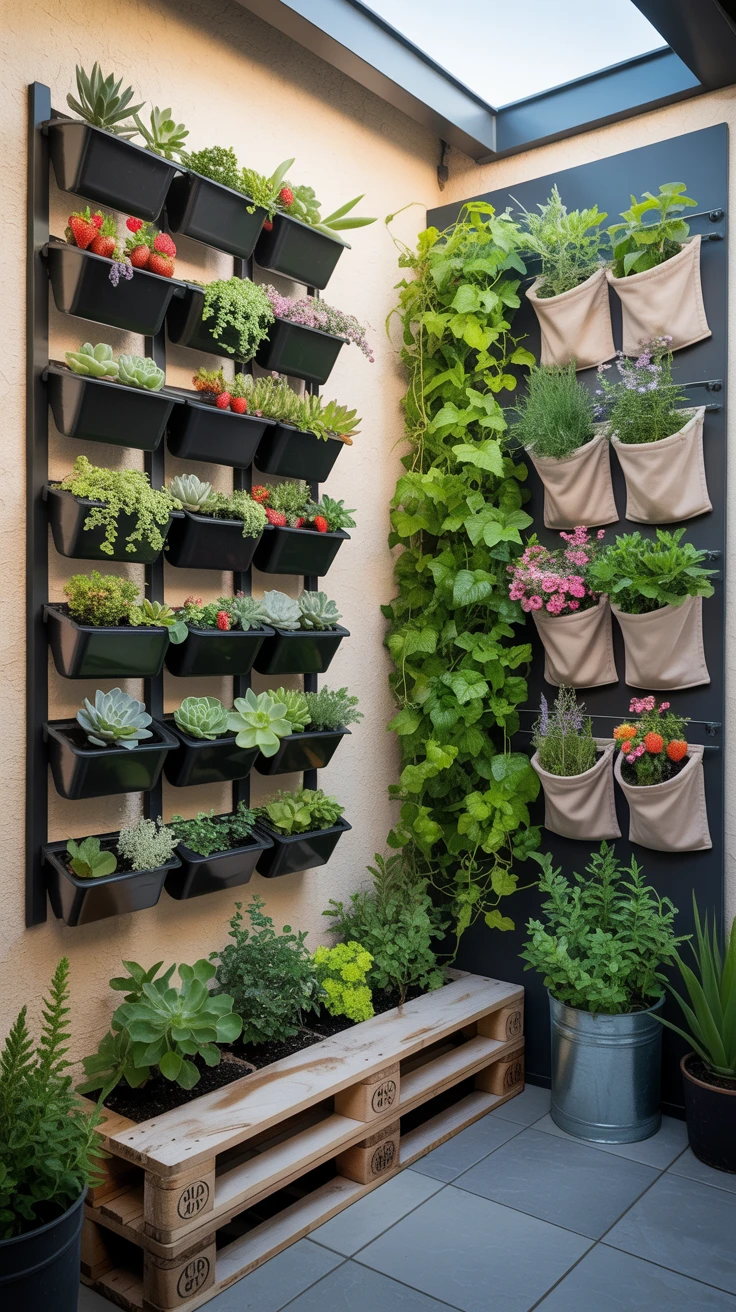
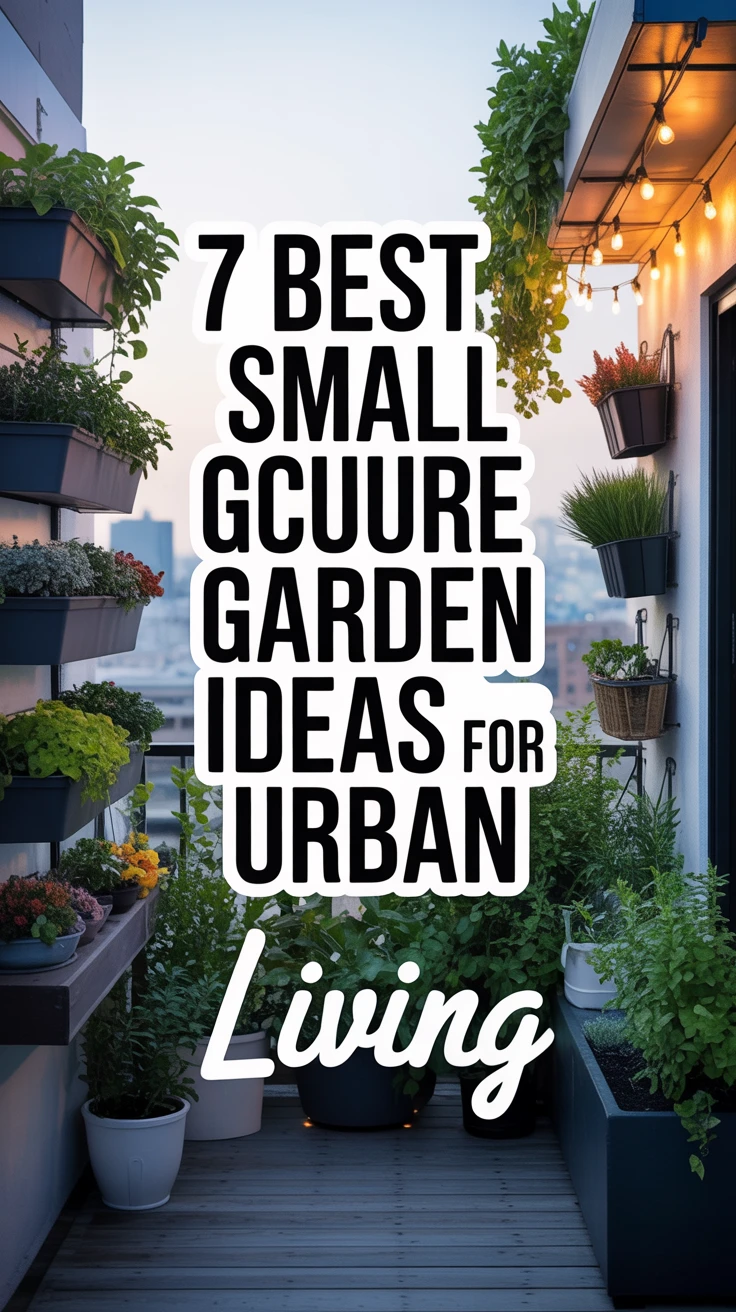
When I first faced my tiny urban patio, I quickly realized that thinking vertically would multiply my growing space. Vertical gardens have become my secret weapon for maximizing limited square footage while creating stunning visual impact.
There are several approaches to vertical gardening that I’ve successfully implemented:
- Wall-mounted planters – I installed a grid system that holds individual pots, allowing me to change the arrangement seasonally
- Pocket gardens – Fabric hanging systems with multiple pockets work brilliantly for herbs and small flowering plants
- Trellises and supports – These transform climbing plants like peas, beans, and certain flowering vines into living walls
- Repurposed pallets – With some waterproof backing and soil pockets, these industrial castoffs become charming vertical planters
I’ve found that succulents, herbs, strawberries, and leafy greens thrive in vertical systems. My greatest success came from a north-facing wall where I installed a series of guttering as planters, creating a cascading effect of trailing plants that required minimal maintenance.
Pro Tip: When installing wall-mounted garden systems, always use anchors appropriate for your wall type. I learned this the hard way when my first attempt collapsed under the weight of wet soil! Also, consider the mature weight of plants and ensure your structure can support them.
2. Container Gardening: Portable and Versatile
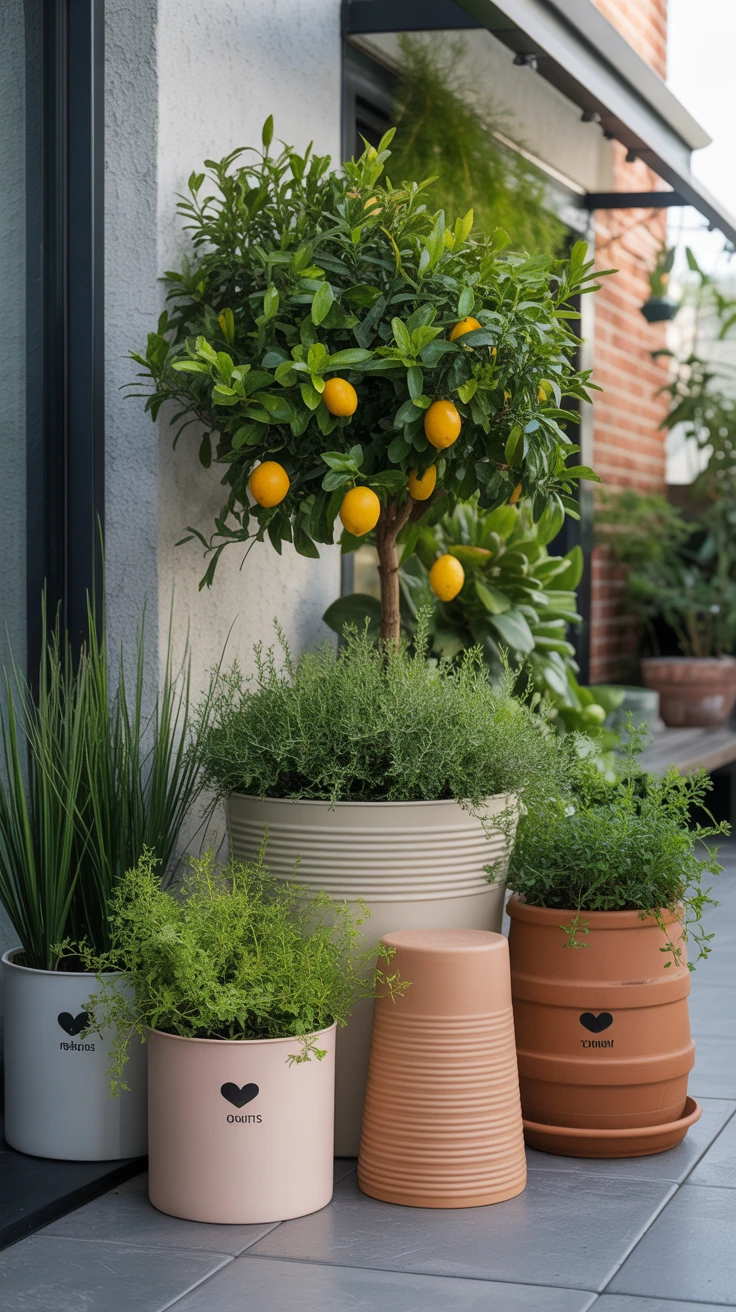
Container gardening revolutionized my approach to small square garden spaces. The flexibility to move plants based on seasonal light changes or to rearrange my garden’s appearance has been invaluable.
In my own container garden, I’ve employed these strategies:
- Varying container heights to create visual interest and maximize the perception of space
- Using lightweight fiberglass pots that mimic terracotta but are easier to move
- Grouping containers with complementary plants to create “vignettes” or mini-garden scenes
- Incorporating containers with built-in water reservoirs to reduce maintenance in hot months
I’ve had particular success with dwarf varieties of typically large plants. My container-grown Meyer lemon tree produces fruit despite having a fraction of the footprint of a standard tree. Similarly, determinate tomato varieties, compact herbs, and ornamental grasses have all thrived in my container arrangements.
Pro Tip: Always ensure containers have adequate drainage. I once tried to save money by using containers without holes, adding a layer of gravel at the bottom. This was a disaster that led to root rot. Now I drill drainage holes in every container, regardless of what the garden center recommends.
3. Raised Bed Gardens: Efficient and Productive
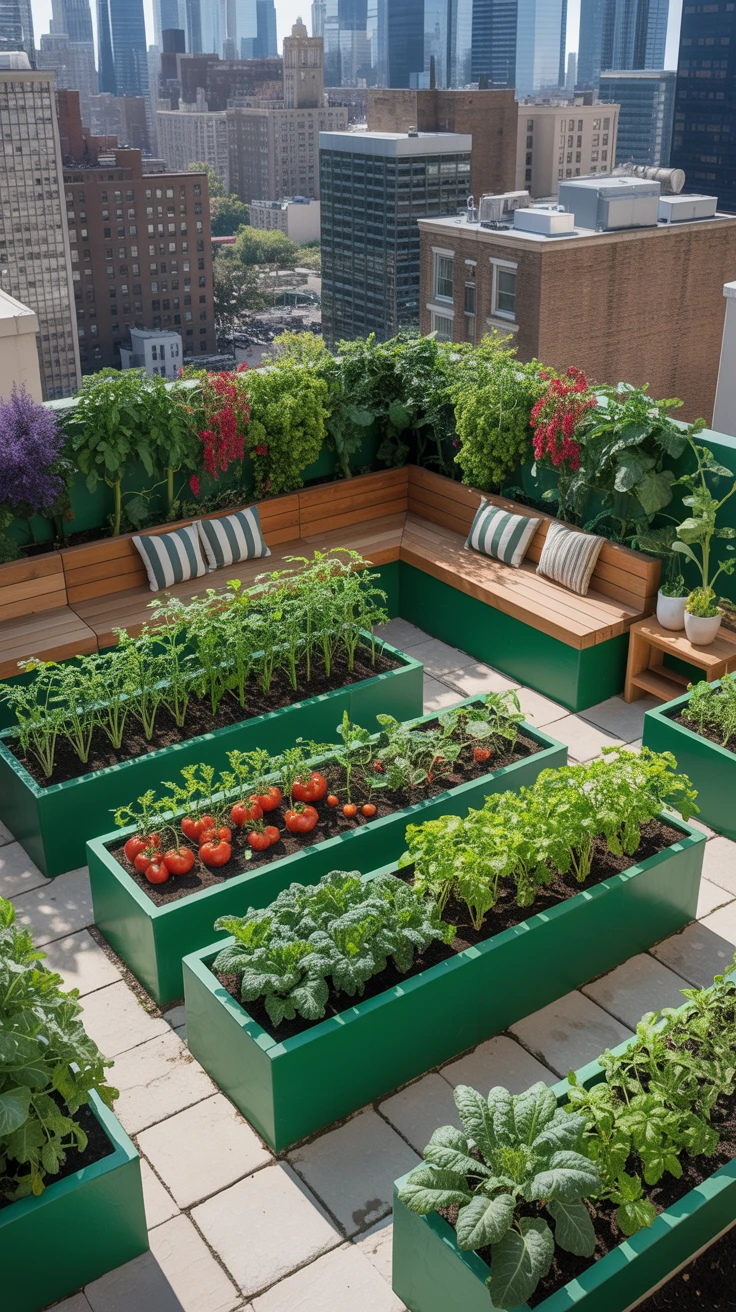
Transforming my small concrete patio area with raised beds was a game-changer. These structures provide better soil conditions, improved drainage, and ergonomic access that makes gardening more enjoyable.
For my small square garden, I designed raised beds with these features:
- Corner beds that maximize perimeter space while leaving the center open for seating
- Narrow beds (no wider than 4 feet) to ensure I can reach the center from either side
- Varying heights to accommodate different root depths and create visual interest
- Built-in seating along one edge to serve dual purposes
My most productive raised bed is just 3×3 feet but yields an impressive amount of produce through succession planting. I start with early spring greens, transition to summer vegetables, and finish with fall crops like kale and carrots.
Pro Tip: Line the bottom of raised beds with hardware cloth (not chicken wire) before adding soil to prevent burrowing pests from accessing your garden. This saved my root vegetables after a devastating first season where voles consumed nearly everything.
4. Herb Spiral: A Micro-Climate Marvel
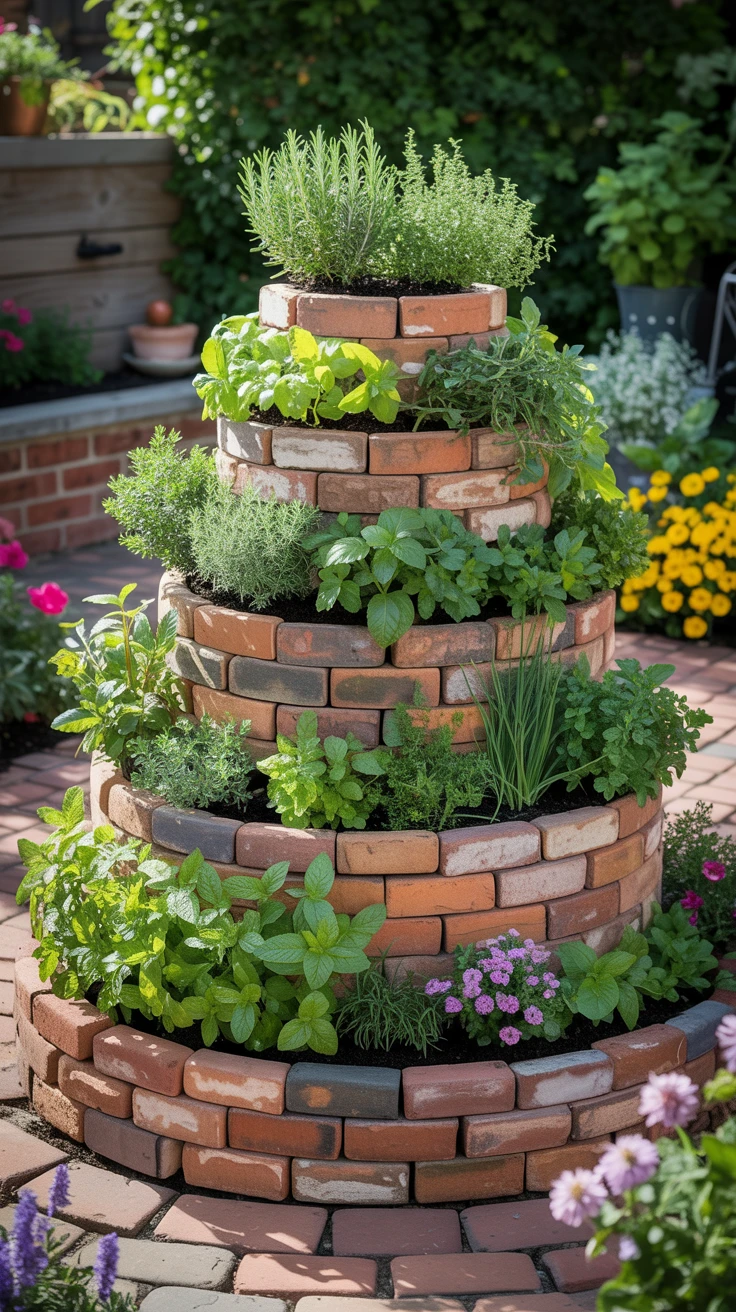
The herb spiral is perhaps the most efficient use of space I’ve discovered for growing culinary herbs. This three-dimensional garden creates multiple micro-climates in a tiny footprint, allowing you to grow herbs with different requirements in one compact structure.
My 4-foot diameter herb spiral accommodates over 20 different herbs by leveraging these principles:
- The top of the spiral receives the most sun and has the best drainage (perfect for Mediterranean herbs like rosemary and thyme)
- The middle sections offer moderate conditions (ideal for parsley, chives, and sage)
- The bottom and north-facing sections retain more moisture (perfect for mint, lemon balm, and coriander)
I constructed mine using reclaimed bricks in a gradually rising spiral, filling with a mixture of compost, garden soil, and sand for excellent drainage. The structure not only maximizes growing space but serves as an attractive focal point in my garden.
Pro Tip: Place your herb spiral where you can easily access it from your kitchen. I initially positioned mine in the farthest corner of my garden for aesthetic reasons but found I used the herbs much less frequently. When I rebuilt it closer to my kitchen door, my cooking improved dramatically!
5. Hanging Planters: Overhead Opportunities
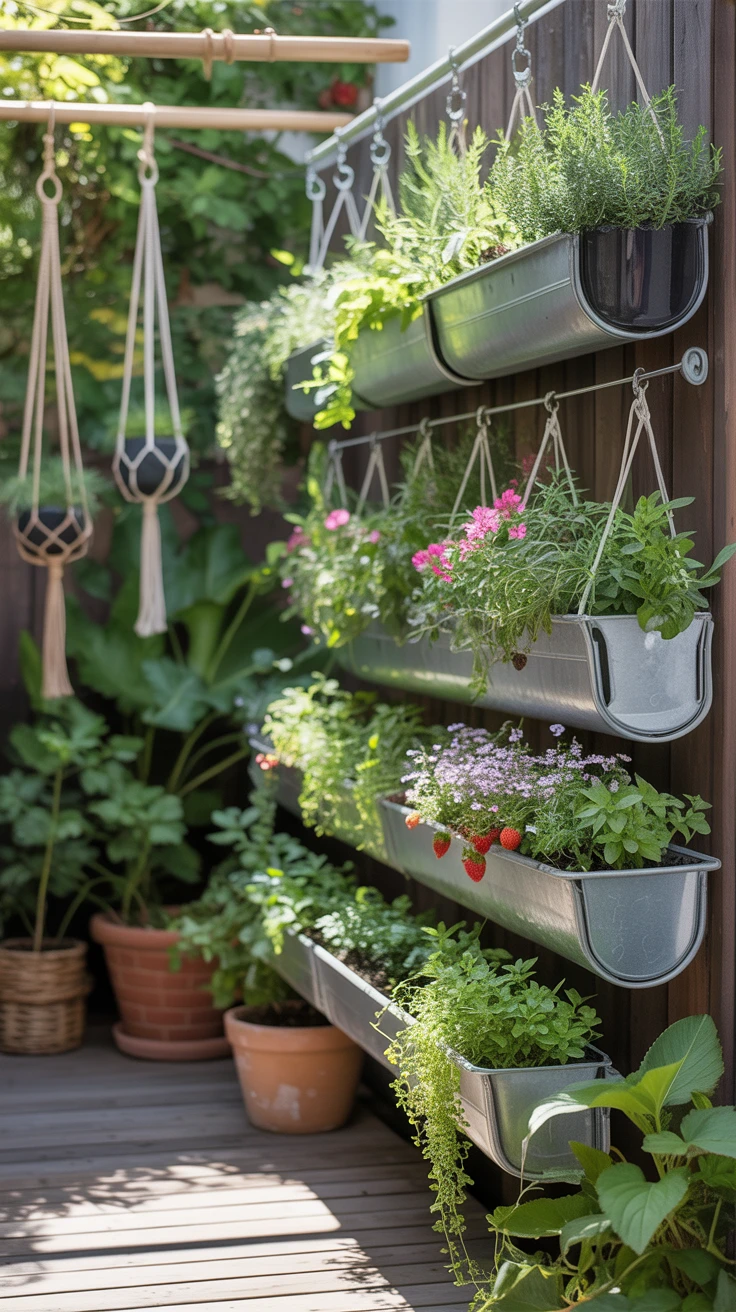
Looking up transformed my gardening perspective. Hanging planters utilize otherwise empty air space and draw the eye upward, making small areas feel larger and more lush.
In my garden, I’ve incorporated hanging elements through:
- Macramé plant hangers with varying heights to create a cascading effect
- Repurposed hanging baskets attached to fence posts and walls
- Suspended guttering to create linear hanging gardens
- Upside-down planters for tomatoes and strawberries
The best plants I’ve found for hanging situations include:
- Trailing herbs like thyme and oregano
- Strawberries (which benefit from being elevated away from ground pests)
- Cascading flowers like lobelia, bacopa, and calibrachoa
- Some lettuce varieties and other leafy greens
Pro Tip: Install hanging planters with pulleys if they’re positioned high. I struggled with watering my highest hangers until installing a simple pulley system that allows me to lower them for maintenance and raise them back up afterward.
6. Multi-level Plant Shelves: Vertical Real Estate
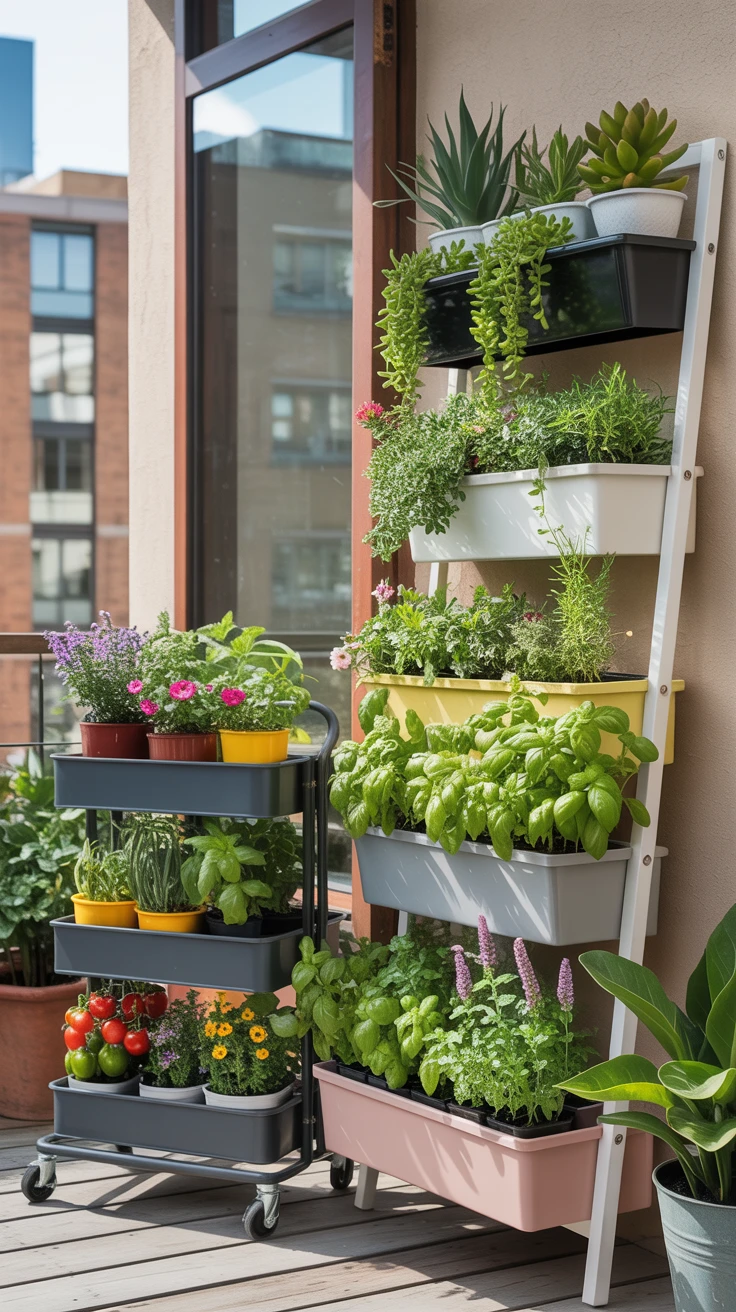
Incorporating shelving into my garden design effectively tripled my planting area. These structures create a sense of enclosure while maximizing growing space in a minimal footprint.
My most successful shelving solutions include:
- A repurposed ladder shelf positioned against a sunny wall
- Custom-built tiered cedar shelves with varying depths (deeper at the bottom, narrower at the top)
- A rolling cart with three levels that I can move to follow the sun or protect plants from inclement weather
I’ve found that shelving works particularly well for collections of similar plants with the same care requirements. My succulent shelf creates a stunning display while my herb shelf keeps culinary plants organized and accessible.
Pro Tip: Consider the weight of plants when wet before loading shelves. I once had a shelf collapse after a heavy rain because I hadn’t accounted for the additional water weight. Now I overengineer all my garden structures or use commercial shelving rated for significant weight.
7. Square Foot Gardening: Maximizing Every Inch
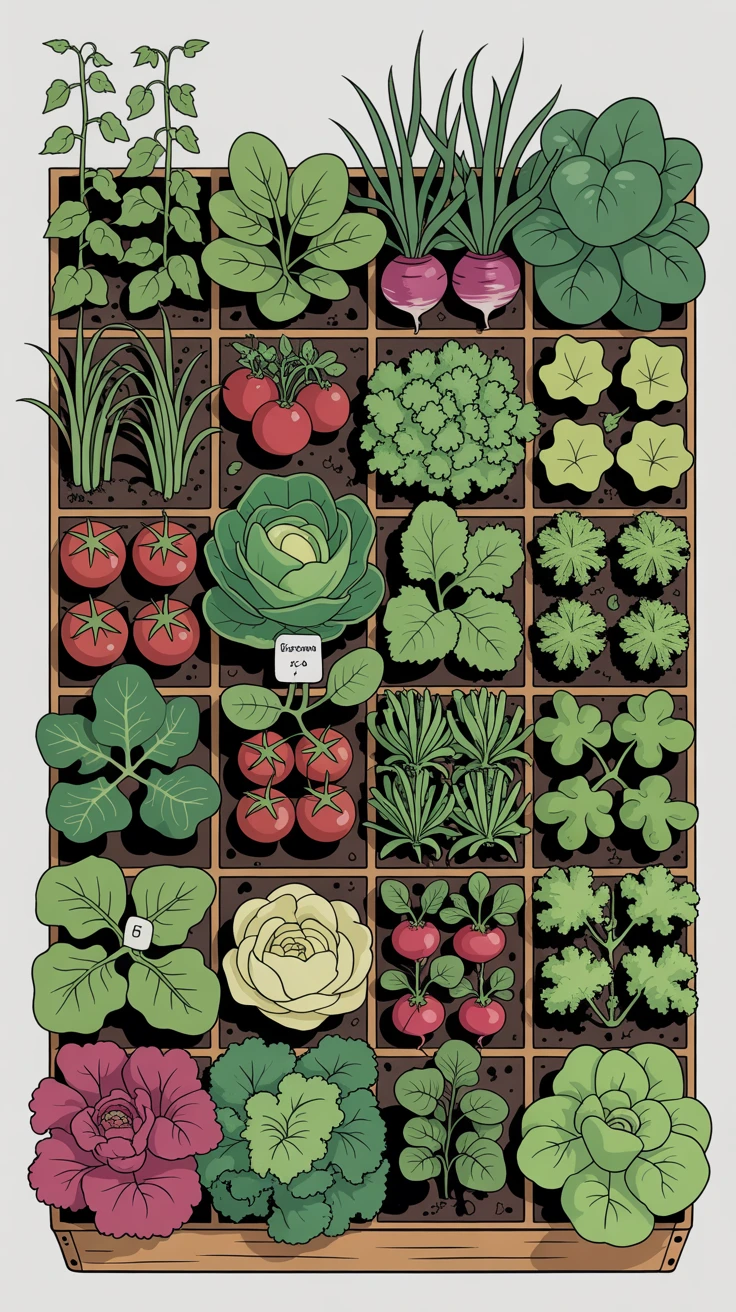
Square foot gardening revolutionized how I approach my small square garden space. This methodical system divides growing areas into 1×1 foot squares, each planted with a specific number of plants based on their size.
I implemented this system by:
- Creating a 4×4 foot raised bed divided into 16 individual squares
- Using a different planting density for each type of plant (e.g., one tomato per square, four lettuce plants, or 16 radishes)
- Rotating crops seasonally to maximize yearly yield
- Incorporating vertical elements at the north side to grow climbing plants
My first year using this method, I tracked my harvest and was amazed to find I’d grown over 200 pounds of produce in just 16 square feet. The organization also made succession planting much more manageable—when one square’s crop was harvested, I immediately replanted it with something new.
Pro Tip: Create a simple template of your square foot garden on paper or in a garden planning app. I use mine to record planting dates, varieties, and yields, which helps me improve my planning each season. This record-keeping has been invaluable for optimizing my small space.
Pro Tips for Small Square Gardens
Through years of experimentation with my own small urban garden, I’ve developed these additional strategies that apply across all the methods above:
- Embrace multi-function plants – I prioritize plants that serve multiple purposes, like edible flowers or herbs with ornamental value
- Practice succession planting – As soon as one crop is harvested, I immediately replace it with another to maximize seasonal yields
- Install drip irrigation – This was a game-changer for me, reducing water usage while improving plant health
- Consider visual weight – I place larger, more substantial plants at lower levels and lighter, airier plants up high
- Create zones – Even in my tiny garden, I’ve created distinct areas for cooking herbs, relaxation, and vegetable production
Remember that small gardens have advantages too—they’re easier to maintain, less expensive to set up, and force creative solutions that often result in more interesting spaces than conventional gardens.
Frequently Asked Questions
What plants are best for a small square garden?
Based on my experience, the most valuable plants for small spaces include compact herbs (thyme, basil, chives), dwarf vegetable varieties (cherry tomatoes, bush beans, compact peppers), vertical growers (peas, cucumbers on trellises), and plants with long harvest periods (cut-and-come-again lettuce, chard, kale). I’ve found that avoiding sprawling plants like standard zucchini and pumpkins saves valuable space unless you can train them vertically.
How can I maintain my small garden easily?
I’ve streamlined my maintenance by installing drip irrigation on a timer, using mulch extensively to reduce weeding, choosing disease-resistant plant varieties, and implementing regular but brief maintenance sessions (15 minutes daily rather than hours on weekends). For container gardens, I incorporate slow-release fertilizer at planting time to reduce feeding frequency.
What are some cost-effective ways to start a small garden?
I’ve saved significantly by starting plants from seeds rather than buying transplants, repurposing household items as containers (food-safe buckets, old dresser drawers), using compost instead of commercial soil amendments, and participating in plant swaps with other gardeners. My local community garden also offers free workshops where I’ve acquired cuttings and divisions of perennial plants.
How do I deal with pests in a small garden?
In my compact garden, I’ve found that daily observation catches pest problems early when they’re easier to manage. I employ physical barriers like floating row covers for vulnerable crops, encourage beneficial insects with companion plants like marigolds and alyssum, and use targeted organic controls like insecticidal soap only when necessary. The diversity of plants in a small space actually helps reduce pest pressure compared to monoculture gardening.
Can I grow food in a small square garden?
Absolutely! My 6×6 foot patio garden produces approximately 30% of my household’s vegetables during peak season. The key is selecting high-value crops (expensive to buy but easy to grow), utilizing vertical space, succession planting throughout the season, and choosing dwarf or compact varieties bred for small spaces. I focus on crops that don’t store well when purchased (herbs, lettuces, tomatoes) to maximize the value of my limited growing area.